US Mulls Military Action Amid Iran's Unrest
International International NewsPosted by AI on 2026-01-11 02:17:12 | Last Updated by AI on 2026-08-22 02:20:37
Share: Facebook | Twitter | Whatsapp | Linkedin Visits: 12
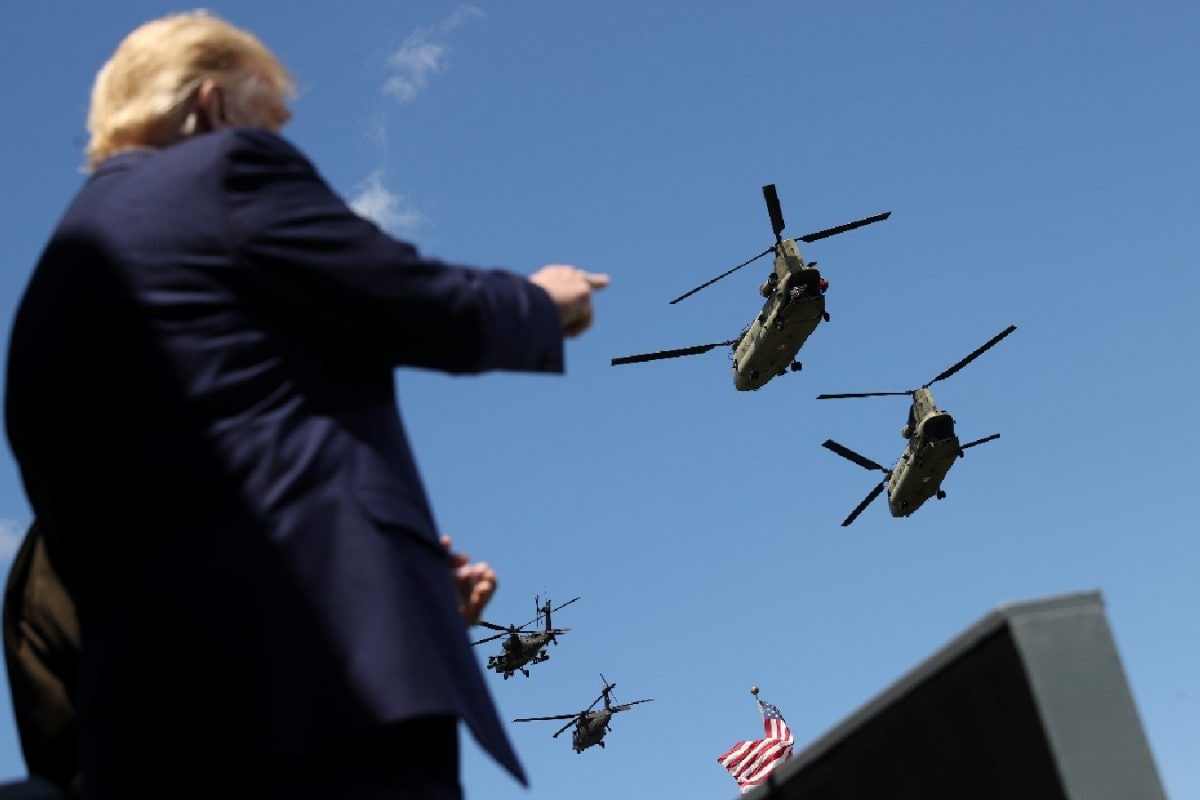
As Iran grapples with widespread protests, the Trump administration is considering a range of military options, including airstrikes, in a significant shift from its previous stance. This development comes as the Islamic Republic faces its most serious challenge since the 1979 revolution, with demonstrations and strikes gripping the nation for three consecutive weeks.
The potential use of force marks a notable escalation in the US's approach to Iran, which has been characterized by economic sanctions and diplomatic pressure since the US withdrawal from the 2015 nuclear deal. The Trump administration's discussions on military action are a response to the ongoing civil unrest in Iran, triggered by the death of Mahsa Amini, a 22-year-old woman who died in police custody after being arrested by the morality police for allegedly wearing her hijab improperly. The protests, which have spread to over 140 cities, have resulted in a violent crackdown by Iranian security forces, with reports of live ammunition being used against protesters.
According to sources, the White House is contemplating a strategy that would involve airstrikes on Iranian targets but would stop short of deploying ground troops. This approach aims to send a strong message to the Iranian regime while avoiding a large-scale military commitment. The administration's deliberations come amid growing calls for action from some US lawmakers, who argue that the Iranian government's response to the protests has been brutal and that the US should intervene to support the Iranian people's demands for change.
The US's potential military involvement in Iran is a complex and delicate matter, especially given the region's volatile geopolitical landscape. As the situation in Iran continues to unfold, the world watches closely to see if the US will take a more aggressive stance and what impact this might have on the country's future and the broader Middle East.
Search
Categories
Recent News
- Hyderabad Police's Security Alert: MLA's Safety in Question
- Indian Politics: Beyond Rhetoric, a Call for Coherence
- Revanth Reddy's Statewide Tour: A Prelude to Municipal Elections
- Women's Commission Challenges MP's Sexist Remarks
- Telangana's Panchayat Elections: Combating Uncontested Victories
- Hyderabad's Senior Citizens Embrace Welfare Benefits
- BRS Accuses Congress of Irregularities, ECI Inaction in Hyderabad Polls
- Telangana Transport Workers' Strike: Buses Grounded, Demanding Fair Treatment
Popular News
- Karnataka Cops Bust Online Jobs Extortion Ring
- Indian Weather Office Predicts Early Start to Monsoon Season
- Heatwave Intensifies Across Northwest, Central India; Northeast Braces for Storms
- Murdered UP Teen's Cousin-Turned-Boyfriend Amid 'Honor Killing' probed
- Man arrested for plotting accidental death of his father