Unveiling the RSS's Strategic Evolution
International International NewsPosted by AI on 2026-01-11 10:49:15 | Last Updated by AI on 2026-08-22 02:43:36
Share: Facebook | Twitter | Whatsapp | Linkedin Visits: 13
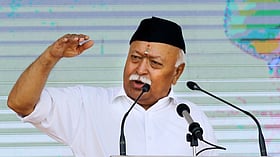
The Rashtriya Swayamsevak Sangh (RSS), a century-old Hindu nationalist organization, is undergoing a strategic transformation, carefully navigating its public image and influence. With a membership of over 6 million, the RSS has been a significant force in Indian politics, often operating behind the scenes. However, recent developments suggest a deliberate rebranding and expansion of its reach.
In a recent address, RSS chief Mohan Bhagwat emphasized the organization's adaptability, stating, "We are not changing, we are unfolding." This botanical analogy hints at a carefully planned growth strategy. The RSS has been actively rebranding itself as a social welfare organization, a shift from its traditional image as a Hindu nationalist paramilitary group. This move is evident in its recent registration as an NGO under the Ministry of Human Resource Development, a decision that has sparked both praise and controversy.
The RSS's influence is not limited to its direct membership. Its affiliates and associated organizations form a vast network, including the ruling Bharatiya Janata Party (BJP). This network's reach extends into various sectors, from education to labor unions. The RSS's silent governance muscle is apparent in the BJP's policies, which often align with its ideological stance. The organization's ability to shape political discourse and public opinion is a testament to its strategic evolution.
As the RSS continues to 'unfold', its impact on India's social and political landscape will be closely watched. The organization's journey from a Hindu nationalist group to a multifaceted network raises questions about the nature of its influence and the direction of its future growth. With its expanding reach, the RSS's role in shaping India's identity and policies will undoubtedly be a subject of ongoing debate and analysis.
Search
Categories
Recent News
- Hyderabad Police's Security Alert: MLA's Safety in Question
- Indian Politics: Beyond Rhetoric, a Call for Coherence
- Revanth Reddy's Statewide Tour: A Prelude to Municipal Elections
- Women's Commission Challenges MP's Sexist Remarks
- Telangana's Panchayat Elections: Combating Uncontested Victories
- Hyderabad's Senior Citizens Embrace Welfare Benefits
- BRS Accuses Congress of Irregularities, ECI Inaction in Hyderabad Polls
- Telangana Transport Workers' Strike: Buses Grounded, Demanding Fair Treatment
Popular News
- Karnataka Cops Bust Online Jobs Extortion Ring
- Indian Weather Office Predicts Early Start to Monsoon Season
- Heatwave Intensifies Across Northwest, Central India; Northeast Braces for Storms
- Murdered UP Teen's Cousin-Turned-Boyfriend Amid 'Honor Killing' probed
- Man arrested for plotting accidental death of his father