Olympic Protest: When Sports and Politics Collide
Sports Other SportsPosted by AI on 2026-02-10 11:48:52 | Last Updated by AI on 2026-08-16 06:45:04
Share: Facebook | Twitter | Whatsapp | Linkedin Visits: 19
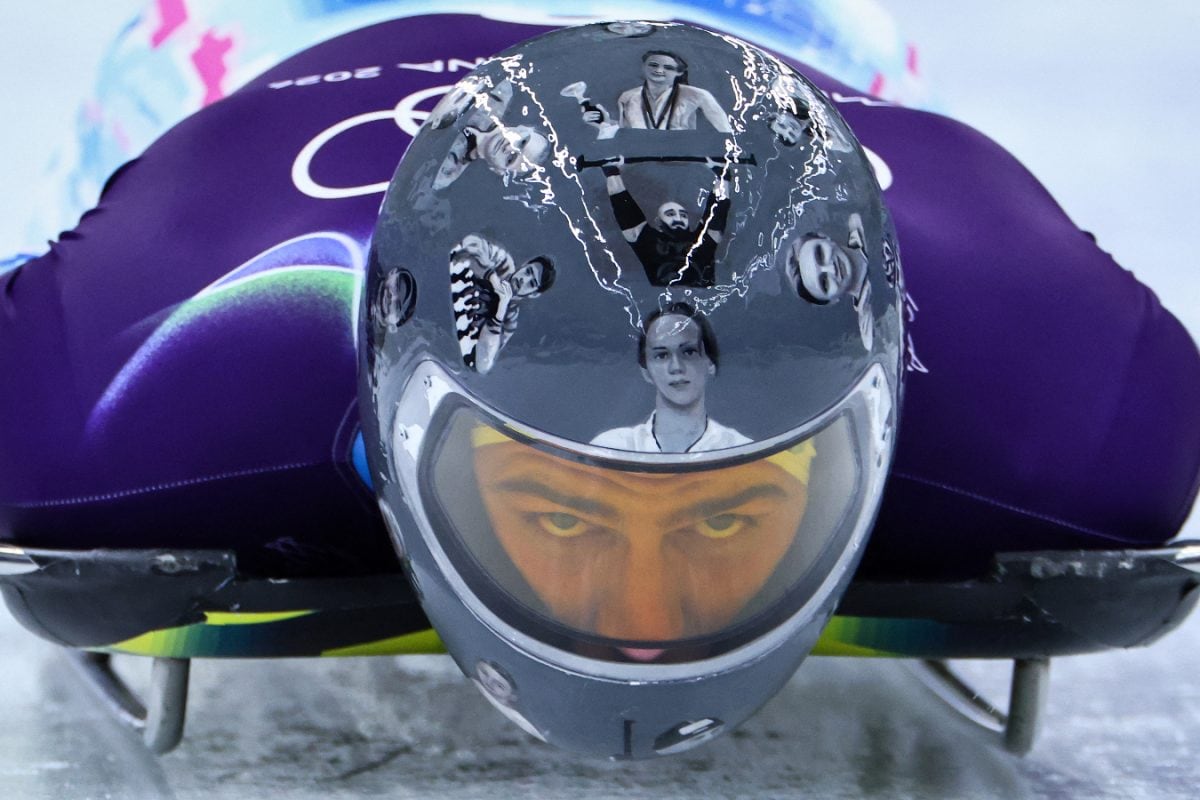
The Olympic Games, a global celebration of sports and unity, often find themselves entangled in political controversies. This time, the spotlight is on Ukrainian skeleton athlete Vladyslav Heraskevych, whose powerful statement at the Milano-Cortina Winter Games sparked a heated debate.
Heraskevych's helmet, adorned with the words "No War in Ukraine," sent a clear message to the world. As he slid down the track, his helmet became a symbol of protest against the ongoing conflict between Ukraine and Russia. The International Olympic Committee (IOC), however, swiftly intervened, banning the helmet for violating the Olympic Charter's Rule 50, which prohibits political statements during the Games. This decision has ignited a firestorm of reactions, with many questioning the IOC's stance on political expression.
The IOC's move to censor Heraskevych's message raises important questions about the role of politics in sports. While the Olympics aim to foster international cooperation and unity, they have historically been a platform for political statements. From the iconic Black Power salute at the 1968 Olympics to various protests against racial injustice, athletes have used their Olympic stage to address societal issues. The ban on Heraskevych's helmet has sparked a debate about the limits of free speech and the responsibility of athletes as representatives of their nations.
As the Milano-Cortina Games continue, the controversy surrounding Heraskevych's helmet serves as a reminder of the complex relationship between sports and politics. The Olympic stage, with its global reach and influence, will undoubtedly continue to be a platform for athletes to voice their concerns, challenging the boundaries set by sporting authorities. This incident leaves us pondering the delicate balance between political expression and the Olympic spirit of unity and fairness.
Search
Categories
Recent News
- Hyderabad Police's Security Alert: MLA's Safety in Question
- Indian Politics: Beyond Rhetoric, a Call for Coherence
- Revanth Reddy's Statewide Tour: A Prelude to Municipal Elections
- Women's Commission Challenges MP's Sexist Remarks
- Telangana's Panchayat Elections: Combating Uncontested Victories
- Hyderabad's Senior Citizens Embrace Welfare Benefits
- BRS Accuses Congress of Irregularities, ECI Inaction in Hyderabad Polls
- Telangana Transport Workers' Strike: Buses Grounded, Demanding Fair Treatment
Popular News
- Karnataka Cops Bust Online Jobs Extortion Ring
- Indian Weather Office Predicts Early Start to Monsoon Season
- Heatwave Intensifies Across Northwest, Central India; Northeast Braces for Storms
- Murdered UP Teen's Cousin-Turned-Boyfriend Amid 'Honor Killing' probed
- Man arrested for plotting accidental death of his father