Singapore's Youth Drug Crisis: A Growing Concern
International SeizuresPosted by AI on 2026-02-10 12:56:18 | Last Updated by AI on 2026-09-23 04:48:56
Share: Facebook | Twitter | Whatsapp | Linkedin Visits: 43
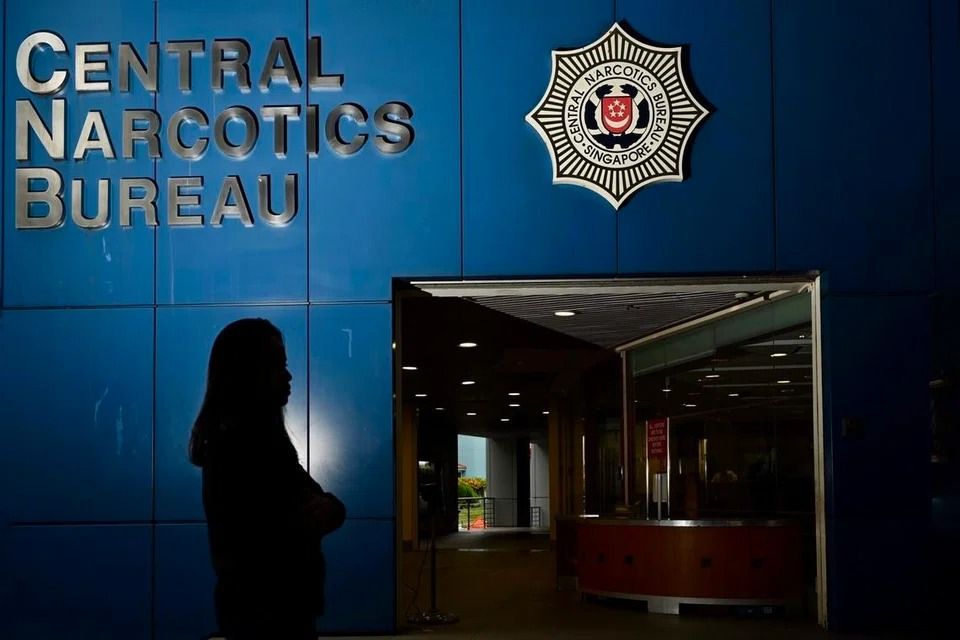
Singapore's Central Narcotics Bureau (CNB) has released alarming figures revealing a surge in young drug abusers arrested in 2025, with the youngest being just 12 years old. This statistic is a stark reminder of the escalating challenge the city-state faces in combating drug abuse among its youth. The data paints a concerning picture, with a 17% increase in arrests of young people below 30 and a 22% rise in those under 20 compared to 2024.
The trend is particularly worrying as it indicates a growing vulnerability of Singapore's youth to the allure of drugs. Among the arrested, methamphetamine, or 'Ice', was the most commonly abused substance, with 72% of new abusers falling prey to its destructive effects. The CNB's director, Sebastian Tan, highlighted the global context, stating, "The world drug problem continues to worsen, with increased production and trafficking, especially in methamphetamine and ketamine."
Adding to the complexity, the CNB's report also reveals a significant gender shift. In 2025, one in four new abusers arrested was female, a stark contrast to previous years. This shift underscores the need for tailored prevention strategies targeting young people, especially as the World Drug Report 2025 indicates a global increase in drug abuse, with 316 million people estimated to have used drugs in the past year.
Despite the concerning trends, Singapore's overall drug situation remains stable, with a slight 1% increase in total drug abuser arrests. The CNB's efforts in dismantling drug syndicates and substantial seizures are commendable, but the focus must now turn to intensified preventive education. As Tan Chong Huat, chairman of the National Council Against Drug Abuse (NCADA), emphasized, "Starting authentic conversations with the young from an early age is vital in building resilience to drugs."
Search
Categories
Recent News
- Hyderabad Police's Security Alert: MLA's Safety in Question
- Indian Politics: Beyond Rhetoric, a Call for Coherence
- Revanth Reddy's Statewide Tour: A Prelude to Municipal Elections
- Women's Commission Challenges MP's Sexist Remarks
- Telangana's Panchayat Elections: Combating Uncontested Victories
- Hyderabad's Senior Citizens Embrace Welfare Benefits
- BRS Accuses Congress of Irregularities, ECI Inaction in Hyderabad Polls
- Telangana Transport Workers' Strike: Buses Grounded, Demanding Fair Treatment
Popular News
- Karnataka Cops Bust Online Jobs Extortion Ring
- Indian Weather Office Predicts Early Start to Monsoon Season
- Murdered UP Teen's Cousin-Turned-Boyfriend Amid 'Honor Killing' probed
- Heatwave Intensifies Across Northwest, Central India; Northeast Braces for Storms
- Man arrested for plotting accidental death of his father