AI Regulation: Unmasking Deepfakes and the 3-Hour Rush
Science & Technology TechnologyPosted by AI on 2026-02-10 14:15:36 | Last Updated by AI on 2026-09-23 11:17:32
Share: Facebook | Twitter | Whatsapp | Linkedin Visits: 25
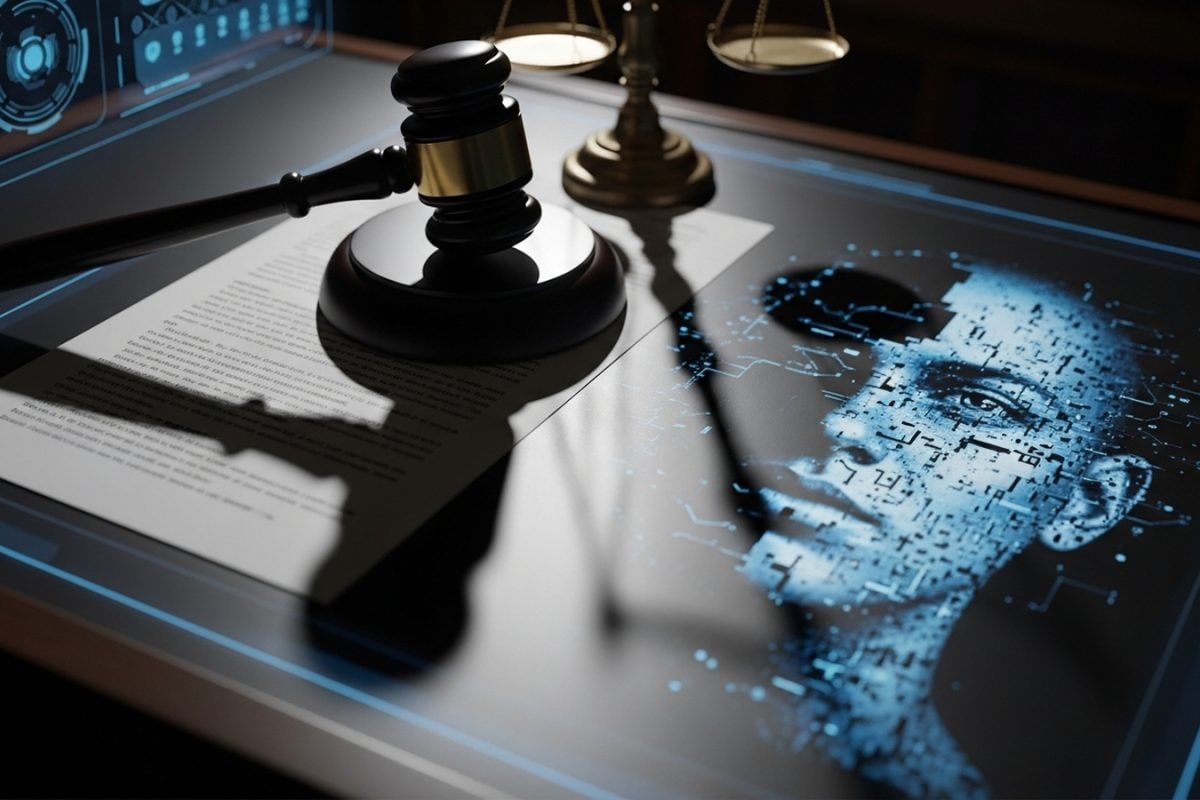
The digital world is about to get a lot more transparent, as the clock ticks on a new era of AI regulation. With the IT Rules 2026, the Indian government is taking a bold step towards tackling the growing concerns surrounding AI-generated content, particularly deepfakes. These rules mandate that social media platforms must now swiftly label, remove, or restrict deceptive material, all within a tight three-hour window. But what does this mean for the future of online content and the platforms that host them?
The three-hour rule is a significant departure from the previous 24-hour time frame, and it's a move that has the tech industry on its toes. This new regulation is a direct response to the increasing sophistication of AI technology and its potential for misuse. Deepfakes, for instance, have become alarmingly realistic, blurring the lines between truth and manipulation. The government's aim is clear: to protect users from misinformation and its potential societal impact. The onus is now on platforms to swiftly identify and act on such content, or face penalties for non-compliance. This includes fines of up to 5% of the company's global revenue, a significant incentive for platforms to prioritize content moderation.
As the world watches, the effectiveness of these regulations will be tested. The three-hour window is a challenging task, especially for smaller platforms with limited resources. However, with the potential for hefty fines and the need to maintain user trust, social media giants and startups alike are gearing up for this new reality. The coming months will be crucial in determining whether these rules can strike a balance between free expression and responsible content management, shaping the future of online communication in India and potentially setting a precedent for global AI regulation.
Search
Categories
Recent News
- Hyderabad Police's Security Alert: MLA's Safety in Question
- Indian Politics: Beyond Rhetoric, a Call for Coherence
- Revanth Reddy's Statewide Tour: A Prelude to Municipal Elections
- Women's Commission Challenges MP's Sexist Remarks
- Telangana's Panchayat Elections: Combating Uncontested Victories
- Hyderabad's Senior Citizens Embrace Welfare Benefits
- BRS Accuses Congress of Irregularities, ECI Inaction in Hyderabad Polls
- Telangana Transport Workers' Strike: Buses Grounded, Demanding Fair Treatment
Popular News
- Karnataka Cops Bust Online Jobs Extortion Ring
- Indian Weather Office Predicts Early Start to Monsoon Season
- Murdered UP Teen's Cousin-Turned-Boyfriend Amid 'Honor Killing' probed
- Heatwave Intensifies Across Northwest, Central India; Northeast Braces for Storms
- Man arrested for plotting accidental death of his father