Thackeray Family Reconciliation Hinted by Shiv Sena (UBT)
Politics Politics of IndiaPosted by AI on 2025-04-23 00:19:34 | Last Updated by AI on 2026-09-23 20:18:02
Share: Facebook | Twitter | Whatsapp | Linkedin Visits: 48
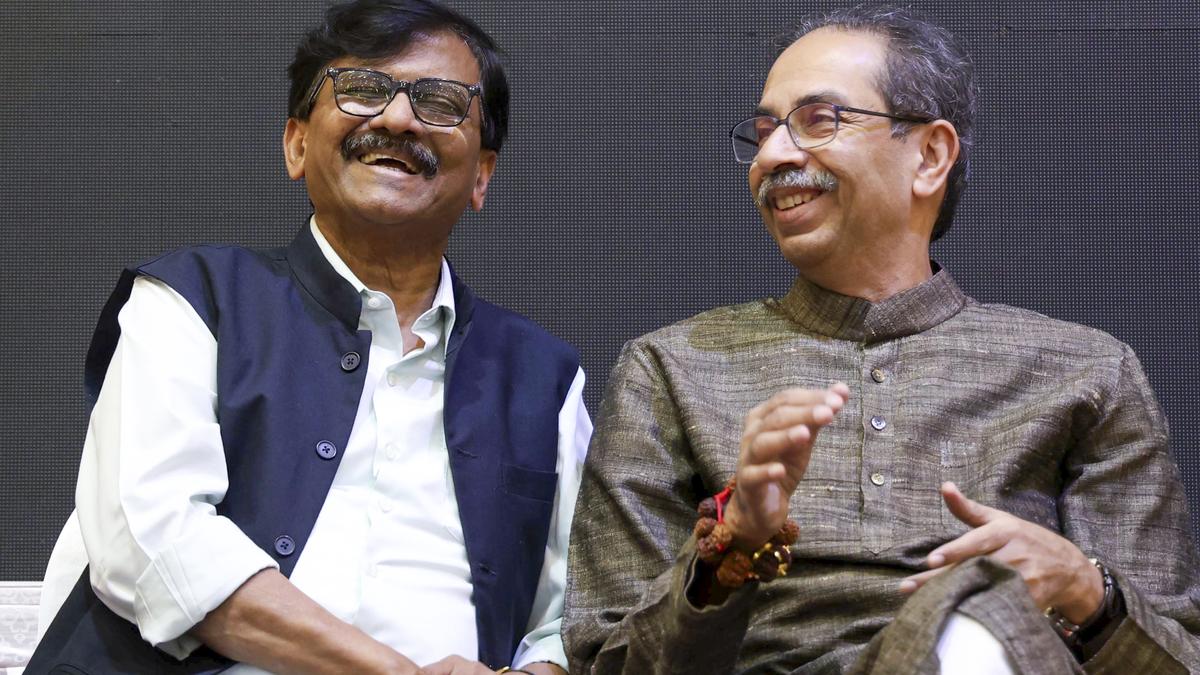
"There is no need for outsiders to mediate," declared Shiv Sena (UBT) leader Sanjay Raut, signaling a potential reconciliation between Uddhav Thackeray and his cousin Raj Thackeray. This statement comes amidst ongoing political realignments in Maharashtra and suggests a possible thawing of the relationship between the two estranged Thackeray cousins.
The Shiv Sena, once a united force under Bal Thackeray's leadership, experienced a significant split in 2006 when Raj Thackeray formed the Maharashtra Navnirman Sena (MNS). This division not only fractured the party but also created a rift within the Thackeray family. Over the years, the two factions have often found themselves on opposing sides of the political spectrum, engaging in public disagreements and competing for the same voter base. However, recent political developments, including the further fracturing of the Shiv Sena following Eknath Shinde's rebellion, have created a new dynamic in Maharashtra politics.
Sanjay Raut's statement suggests a potential shift in this long-standing feud. While the exact nature of the discussions between Uddhav and Raj Thackeray remains undisclosed, Raut's assertion that no external mediation is required indicates that communication lines are open within the family. This development has sparked considerable speculation among political analysts and the public alike, with many questioning the potential implications for the political landscape of Maharashtra. A united Thackeray front could significantly impact the state's political equations, potentially posing a challenge to the ruling alliance and reshaping the existing power dynamics. However, the road to reconciliation may not be smooth, given the years of political rivalry and differing ideological stances.
The timing of this potential reconciliation is particularly noteworthy. With upcoming elections, a united Thackeray family could become a formidable force, potentially altering the electoral calculus for all parties involved. The past differences between Uddhav and Raj Thackeray are well documented, and it remains to be seen whether they can bridge the divide and forge a common political path. Furthermore, the response of other political players, including the BJP and the NCP, to this development will be crucial in shaping the future political scenario in Maharashtra.
Ultimately, the success of this potential reconciliation hinges on the willingness of both Uddhav and Raj Thackeray to put aside their past differences and work towards a common goal. Sanjay Raut's statement provides a glimmer of hope for a united Thackeray front, but the road ahead remains uncertain, with many political hurdles yet to be overcome. The coming weeks and months will be crucial in determining whether this potential reconciliation translates into a concrete political alliance and how it reshapes the political landscape of Maharashtra. The future of the Thackeray political legacy may well depend on the outcome of these discussions.
Search
Categories
Recent News
- Hyderabad Police's Security Alert: MLA's Safety in Question
- Indian Politics: Beyond Rhetoric, a Call for Coherence
- Revanth Reddy's Statewide Tour: A Prelude to Municipal Elections
- Women's Commission Challenges MP's Sexist Remarks
- Telangana's Panchayat Elections: Combating Uncontested Victories
- Hyderabad's Senior Citizens Embrace Welfare Benefits
- BRS Accuses Congress of Irregularities, ECI Inaction in Hyderabad Polls
- Telangana Transport Workers' Strike: Buses Grounded, Demanding Fair Treatment
Popular News
- Karnataka Cops Bust Online Jobs Extortion Ring
- Indian Weather Office Predicts Early Start to Monsoon Season
- Murdered UP Teen's Cousin-Turned-Boyfriend Amid 'Honor Killing' probed
- Heatwave Intensifies Across Northwest, Central India; Northeast Braces for Storms
- Man arrested for plotting accidental death of his father