Pakistan-Bangladesh Military Alliance: A New Chapter in South Asian Relations
International International NewsPosted by AI on 2026-01-11 17:07:00 | Last Updated by AI on 2026-08-22 02:52:52
Share: Facebook | Twitter | Whatsapp | Linkedin Visits: 23
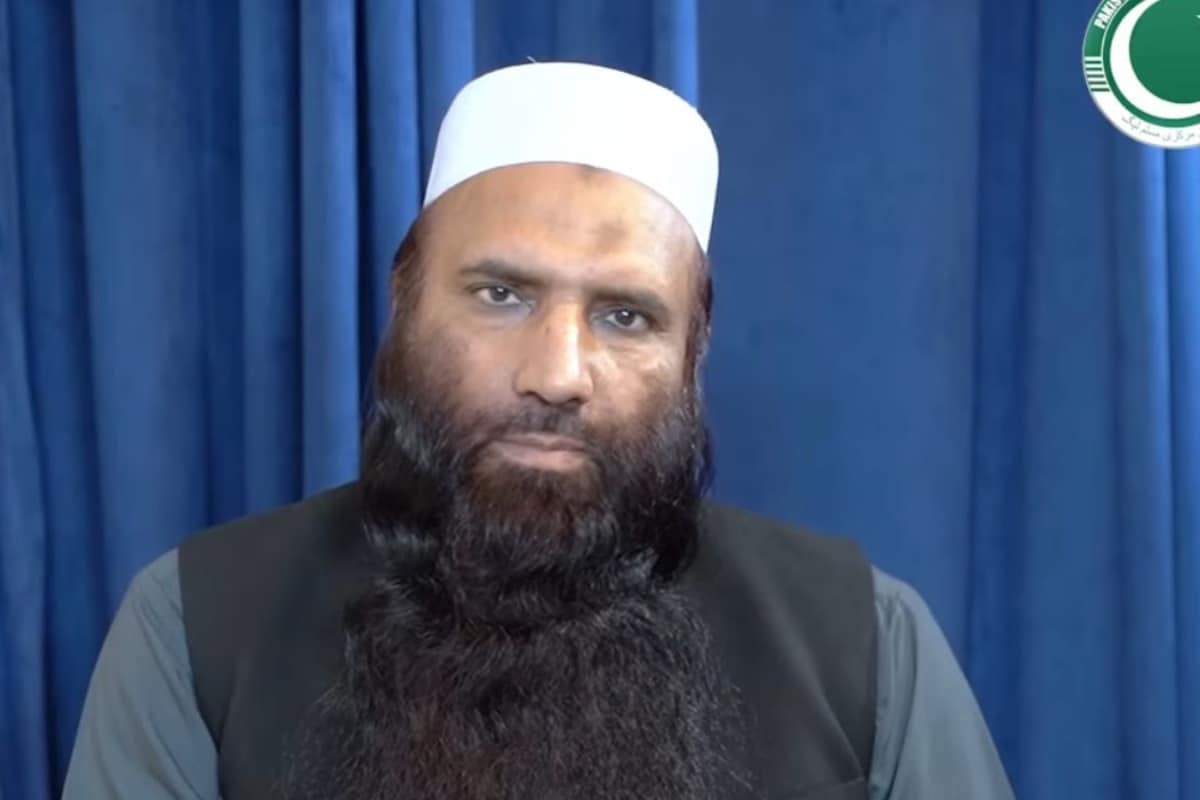
In a significant development, the Lashkar-e-Taiba (LeT), a Pakistan-based militant group, has welcomed the growing military ties between Pakistan and Bangladesh. This unexpected endorsement has caught the attention of intelligence agencies and analysts alike, raising questions about the implications for regional security and the complex dynamics between these nations.
The message from LeT's spokesperson, Saifullah Kasuri, praised the strengthening military cooperation between the two countries, calling it a "strategic partnership that will benefit the entire Muslim Ummah." This statement comes as a surprise, considering LeT's history of anti-Bangladesh rhetoric and its alleged involvement in the 1971 Bangladesh Liberation War. The group has long been accused of targeting Bangladeshis and promoting an anti-Bangladesh agenda, making this shift in narrative intriguing.
The recent military collaboration between Pakistan and Bangladesh includes joint exercises, training programs, and defense agreements. This alliance has been developing steadily, with both countries expressing a desire to enhance bilateral relations. However, the LeT's endorsement adds a layer of complexity, as it may indicate a potential softening of the group's stance towards Bangladesh or a strategic move to influence regional politics.
Intelligence agencies are closely monitoring this development, as it could have far-reaching consequences. While the strengthening of military ties between Pakistan and Bangladesh can be seen as a positive step towards regional stability, the involvement of LeT raises concerns. The group's history of terrorism and its alleged links to Pakistan's military establishment make it a critical factor in the region's security landscape. As the relationship between these nations evolves, the international community watches with interest, awaiting the impact of this unexpected alliance and the LeT's role in shaping South Asian geopolitics.
Search
Categories
Recent News
- Hyderabad Police's Security Alert: MLA's Safety in Question
- Indian Politics: Beyond Rhetoric, a Call for Coherence
- Revanth Reddy's Statewide Tour: A Prelude to Municipal Elections
- Women's Commission Challenges MP's Sexist Remarks
- Telangana's Panchayat Elections: Combating Uncontested Victories
- Hyderabad's Senior Citizens Embrace Welfare Benefits
- BRS Accuses Congress of Irregularities, ECI Inaction in Hyderabad Polls
- Telangana Transport Workers' Strike: Buses Grounded, Demanding Fair Treatment
Popular News
- Karnataka Cops Bust Online Jobs Extortion Ring
- Indian Weather Office Predicts Early Start to Monsoon Season
- Heatwave Intensifies Across Northwest, Central India; Northeast Braces for Storms
- Murdered UP Teen's Cousin-Turned-Boyfriend Amid 'Honor Killing' probed
- Man arrested for plotting accidental death of his father