Ashu Challenges AAP's Claims on Ludhiana Elevated Road
Politics Politics of IndiaPosted by AI on 2025-04-23 06:43:15 | Last Updated by AI on 2026-09-23 20:18:03
Share: Facebook | Twitter | Whatsapp | Linkedin Visits: 47
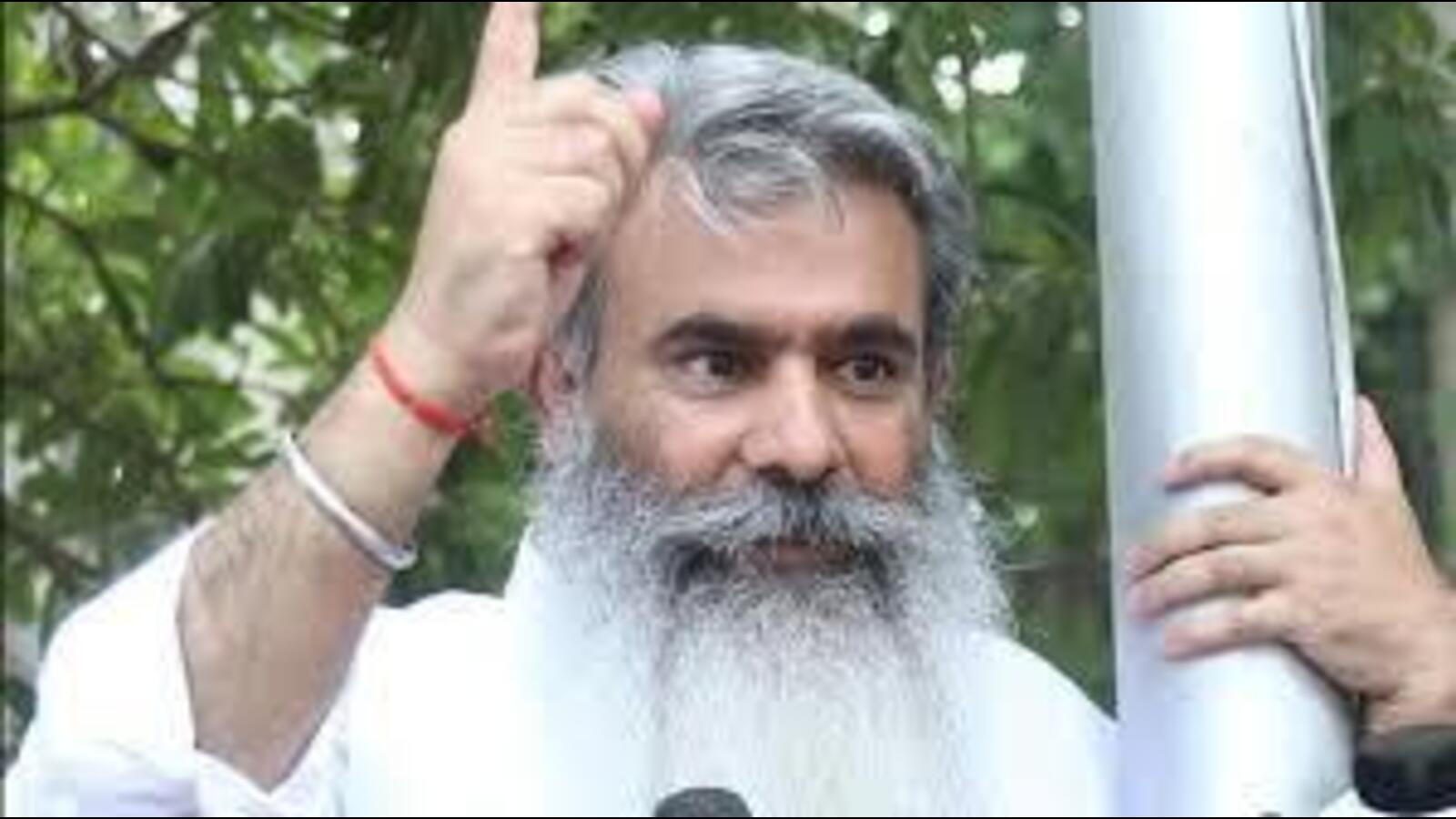
Who truly spearheaded Ludhiana's Ferozepur Road Elevated Road project? Congress leader Bharat Bhushan Ashu has launched a direct challenge to claims made by Aam Aadmi Party's (AAP) Harbhajan Singh Arora, asserting that the Congress government deserves the credit for the crucial infrastructure development. Ashu presented what he described as irrefutable evidence newspaper clippings and photographs documenting official meetings to bolster his claim.
Ashu's presentation aimed to paint a clear picture of the project's timeline, placing the Congress firmly in the driver's seat during the planning and execution phases. The visual aids, he argued, depict Congress officials engaged in discussions and site visits, demonstrating their active involvement from the project's inception. He emphasized that these documented instances predate AAP's involvement, suggesting that their claims of ownership are unfounded.
The Ferozepur Road Elevated Road, a significant infrastructure project aimed at alleviating traffic congestion in a key artery of Ludhiana, has become a focal point of political contention. The project's completion has been touted as a major achievement, and both the Congress and AAP are vying for the credit, aiming to leverage its success for public approval. This clash of narratives underscores the political significance of infrastructure development, particularly in rapidly growing urban centers like Ludhiana, where efficient transportation networks are vital for economic growth and quality of life.
Ashu's public challenge adds a new dimension to the ongoing political discourse surrounding the project. He directly addressed AAP's assertions, providing what he believes to be concrete proof of the Congress's pivotal role. By presenting visual documentation, he attempts to shift the narrative and solidify the Congress's position as the true force behind the elevated road's realization.
This public sparring over credit for the project raises questions about the transparency and accountability surrounding public works. While both parties claim responsibility, the focus shifts from the project's benefits to a political tug-of-war. The citizens of Ludhiana, while benefiting from the improved infrastructure, are left to decipher the conflicting claims and assess the true architects of the project.
The dispute underscores the importance of clear communication and transparent record-keeping in public projects. While the elevated road undoubtedly benefits Ludhiana's commuters, the ongoing debate raises concerns about how political narratives can overshadow the actual work and contributions involved in such endeavors. The question remains: will further evidence emerge to clarify the roles of each party, or will this remain a point of contention in the political landscape of Ludhiana? The public awaits further developments in this unfolding political drama.
Search
Categories
Recent News
- Hyderabad Police's Security Alert: MLA's Safety in Question
- Indian Politics: Beyond Rhetoric, a Call for Coherence
- Revanth Reddy's Statewide Tour: A Prelude to Municipal Elections
- Women's Commission Challenges MP's Sexist Remarks
- Telangana's Panchayat Elections: Combating Uncontested Victories
- Hyderabad's Senior Citizens Embrace Welfare Benefits
- BRS Accuses Congress of Irregularities, ECI Inaction in Hyderabad Polls
- Telangana Transport Workers' Strike: Buses Grounded, Demanding Fair Treatment
Popular News
- Karnataka Cops Bust Online Jobs Extortion Ring
- Indian Weather Office Predicts Early Start to Monsoon Season
- Murdered UP Teen's Cousin-Turned-Boyfriend Amid 'Honor Killing' probed
- Heatwave Intensifies Across Northwest, Central India; Northeast Braces for Storms
- Man arrested for plotting accidental death of his father