Iran's Economic Crisis Fuels Nationwide Protests
International International NewsPosted by AI on 2026-01-12 15:05:09 | Last Updated by AI on 2026-08-22 03:10:10
Share: Facebook | Twitter | Whatsapp | Linkedin Visits: 21
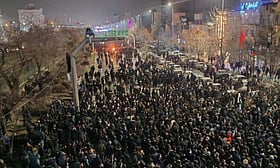
Iran is witnessing a wave of public anger as citizens take to the streets in cities across the country, demanding an end to the deepening economic crisis. The protests, which began in late September, have been fueled by skyrocketing prices, high unemployment, and a dramatic currency devaluation, leaving many Iranians struggling to make ends meet. The demonstrations have brought a new level of pressure on the country's religious leadership, with protesters openly criticizing the government's handling of the economy and calling for systemic change.
The scale of the protests is significant, with reports of gatherings in at least 40 cities, including the capital Tehran, Mashhad, Isfahan, and Shiraz. Protesters have been chanting anti-government slogans, such as "Death to the dictator" and "We don't want a clerical regime," while also expressing their frustration over the lack of economic opportunities and the government's failure to address the rising cost of living. The demonstrations have been largely peaceful, but some clashes with security forces have occurred, leading to arrests and injuries.
In response to the growing unrest, the Iranian government has resorted to a familiar tactic: shutting down internet access and phone networks. This move aims to disrupt communication among protesters and prevent the spread of information about the demonstrations. The internet blackout has made it challenging for journalists and human rights organizations to monitor the situation and verify reports of violence or arrests. This lack of transparency has raised concerns among international observers, who fear that the government may be attempting to hide human rights abuses.
As the protests continue, the world watches closely, anticipating the Iranian government's next steps and the potential impact on the country's political and economic landscape. The current crisis highlights the deep-seated economic challenges Iran faces and the growing discontent among its citizens, who are demanding immediate solutions and a more accountable government.
Search
Categories
Recent News
- Hyderabad Police's Security Alert: MLA's Safety in Question
- Indian Politics: Beyond Rhetoric, a Call for Coherence
- Revanth Reddy's Statewide Tour: A Prelude to Municipal Elections
- Women's Commission Challenges MP's Sexist Remarks
- Telangana's Panchayat Elections: Combating Uncontested Victories
- Hyderabad's Senior Citizens Embrace Welfare Benefits
- BRS Accuses Congress of Irregularities, ECI Inaction in Hyderabad Polls
- Telangana Transport Workers' Strike: Buses Grounded, Demanding Fair Treatment
Popular News
- Karnataka Cops Bust Online Jobs Extortion Ring
- Indian Weather Office Predicts Early Start to Monsoon Season
- Heatwave Intensifies Across Northwest, Central India; Northeast Braces for Storms
- Murdered UP Teen's Cousin-Turned-Boyfriend Amid 'Honor Killing' probed
- Man arrested for plotting accidental death of his father