Kerala's Muslim Women: Navigating Tradition and Modernity
National NationalPosted by AI on 2026-02-10 03:46:42 | Last Updated by AI on 2026-09-26 02:37:43
Share: Facebook | Twitter | Whatsapp | Linkedin Visits: 13
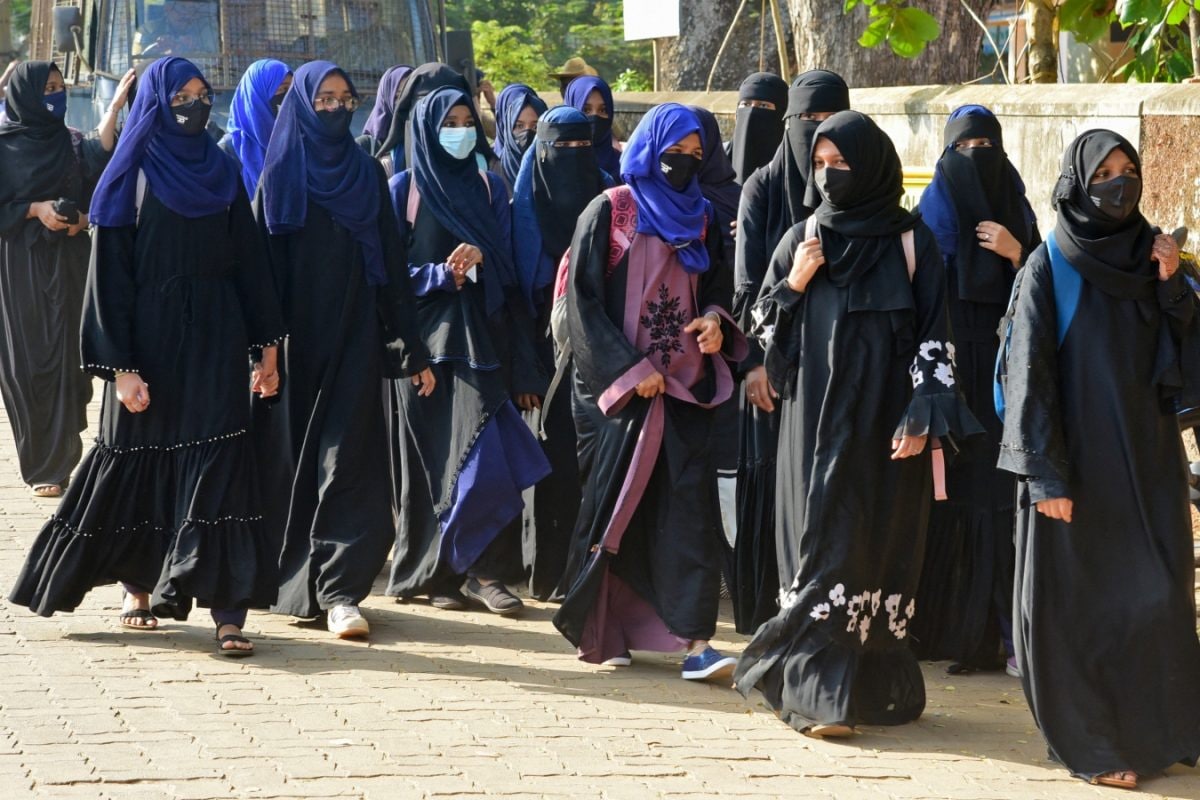
In the southern Indian state of Kerala, a recent statement from the Samastha Kerala Jamiyyathul Ulama (SJU), a prominent Muslim organization, has sparked a heated debate on the role of women in Islam and their place in society. The SJU's call for women to adhere to traditional values and roles has ignited a discussion on the delicate balance between religious principles and modern aspirations.
The statement, released during a women's conference organized by the SJU, emphasized the importance of Muslim women maintaining their religious identity and adhering to traditional Islamic attire. It urged women to "refrain from imitating the lifestyles of non-believers" and to "uphold the sanctity of their homes and families." The organization's president, K. Ali Kutty Musliyar, stated that "the modern world's influence can lead our women astray, and we must protect them from such temptations." This directive has stirred controversy, with many arguing that it restricts women's rights and promotes an outdated view of gender roles.
However, the SJU's stance reflects a broader concern among conservative religious groups in Kerala. The state, known for its high literacy rate and progressive social indicators, has seen a rise in debates surrounding religious identity and cultural preservation. Some Muslim women have expressed support for the SJU's statement, arguing that it reinforces their religious identity and protects them from societal pressures to conform to Western ideals. They believe that embracing traditional roles does not equate to oppression but rather empowers them within their faith community.
As the discussion unfolds, it highlights the complex interplay between religion, culture, and gender dynamics in Kerala. The state's Muslim community, known for its progressive outlook, now faces a challenge: how to reconcile traditional values with modern aspirations, ensuring that women's rights and choices are respected while preserving their religious identity. This ongoing dialogue is crucial in shaping the future of Kerala's Muslim women and their role in a rapidly changing society.
Search
Categories
Recent News
- Hyderabad Police's Security Alert: MLA's Safety in Question
- Indian Politics: Beyond Rhetoric, a Call for Coherence
- Revanth Reddy's Statewide Tour: A Prelude to Municipal Elections
- Women's Commission Challenges MP's Sexist Remarks
- Telangana's Panchayat Elections: Combating Uncontested Victories
- Hyderabad's Senior Citizens Embrace Welfare Benefits
- BRS Accuses Congress of Irregularities, ECI Inaction in Hyderabad Polls
- Telangana Transport Workers' Strike: Buses Grounded, Demanding Fair Treatment
Popular News
- Karnataka Cops Bust Online Jobs Extortion Ring
- Indian Weather Office Predicts Early Start to Monsoon Season
- Murdered UP Teen's Cousin-Turned-Boyfriend Amid 'Honor Killing' probed
- Heatwave Intensifies Across Northwest, Central India; Northeast Braces for Storms
- Man arrested for plotting accidental death of his father