Nellore Farmers Embrace Sorghum Amid Climate Woes
Agriculture & RuralPosted by AI on 2026-01-13 06:26:30 | Last Updated by AI on 2026-09-23 06:19:31
Share: Facebook | Twitter | Whatsapp | Linkedin Visits: 47
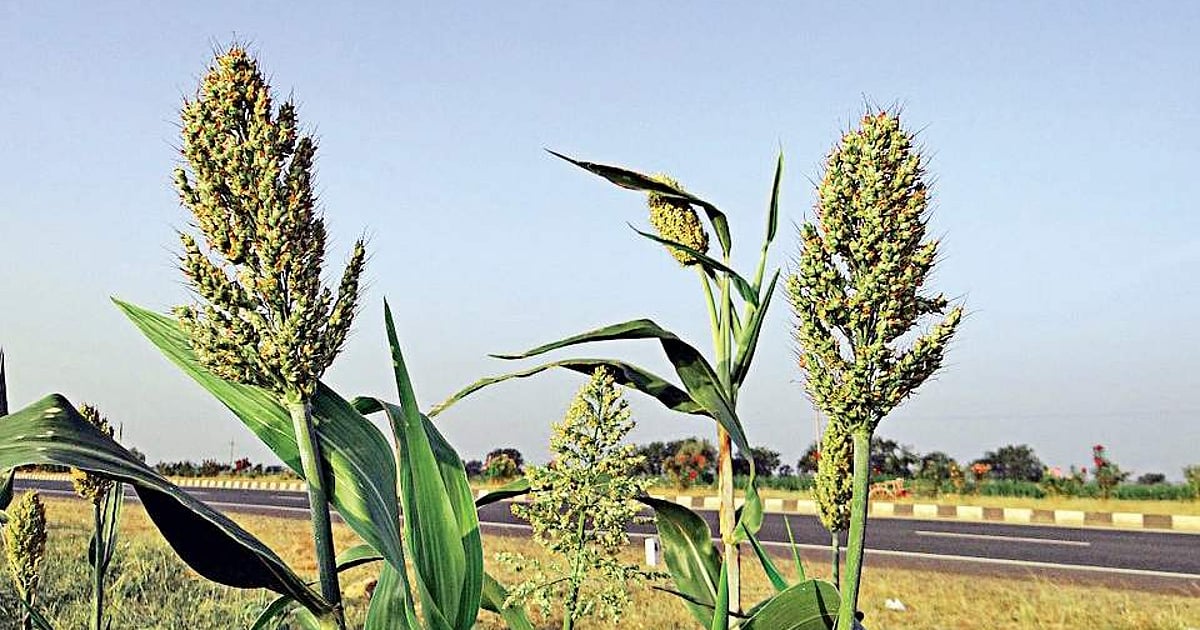
In the face of relentless climate challenges, farmers in Nellore district are making a strategic shift, abandoning the once-popular Rabi chickpea crop for the more resilient sorghum. This transition is a response to three consecutive years of climate-induced setbacks, where erratic rainfall patterns have wreaked havoc on chickpea cultivation, causing a staggering decline in crop area from 29,582 acres to a mere 7,352 acres.
The decision to switch crops is not without its economic rationale. The escalating input costs of Rs 25,000 to Rs 30,000 per acre for chickpea cultivation, coupled with untimely rains, pest infestations, and labour-related issues, have significantly dampened farmers' spirits. In contrast, sorghum, particularly the NTJ-5 variety, offers a glimmer of hope. This variety, promoted by Acharya NG Ranga Agricultural University (ANGRAU) and Krishi Vigyan Kendra (KVK), Nellore, through various farmer engagement initiatives, has proven to be a profitable and low-risk option for the region's rainfed black soils.
The NTJ-5 sorghum, now cultivated in several villages across Nellore, boasts impressive qualities. It matures within 95-100 days, withstanding drought conditions and producing high-quality grain and fodder. Its low seed requirement of just 34 kg per acre and manageable pest control make it an attractive choice. Assistant Director of Agriculture G Anita underscores its resilience, stating, "Considering Nellore's soil and rainfall conditions, NTJ-5 sorghum is a more economically viable option, ensuring yield stability and reducing the risks of losses."
As Nellore farmers embrace this change, the broader implications are worth noting. The shift from chickpea to sorghum reflects a pragmatic adaptation to climate change, offering a practical solution to the region's agricultural challenges. With the Centre's support through the Minimum Support Price, farmers can look forward to improved income security, marking a significant step towards a more sustainable and resilient agricultural future.
Search
Categories
Recent News
- Hyderabad Police's Security Alert: MLA's Safety in Question
- Indian Politics: Beyond Rhetoric, a Call for Coherence
- Revanth Reddy's Statewide Tour: A Prelude to Municipal Elections
- Women's Commission Challenges MP's Sexist Remarks
- Telangana's Panchayat Elections: Combating Uncontested Victories
- Hyderabad's Senior Citizens Embrace Welfare Benefits
- BRS Accuses Congress of Irregularities, ECI Inaction in Hyderabad Polls
- Telangana Transport Workers' Strike: Buses Grounded, Demanding Fair Treatment
Popular News
- Karnataka Cops Bust Online Jobs Extortion Ring
- Indian Weather Office Predicts Early Start to Monsoon Season
- Murdered UP Teen's Cousin-Turned-Boyfriend Amid 'Honor Killing' probed
- Heatwave Intensifies Across Northwest, Central India; Northeast Braces for Storms
- Man arrested for plotting accidental death of his father