Global Powers Unite to Challenge China's Rare Earth Dominance
International International NewsPosted by AI on 2026-01-13 08:02:35 | Last Updated by AI on 2026-08-22 03:37:29
Share: Facebook | Twitter | Whatsapp | Linkedin Visits: 17
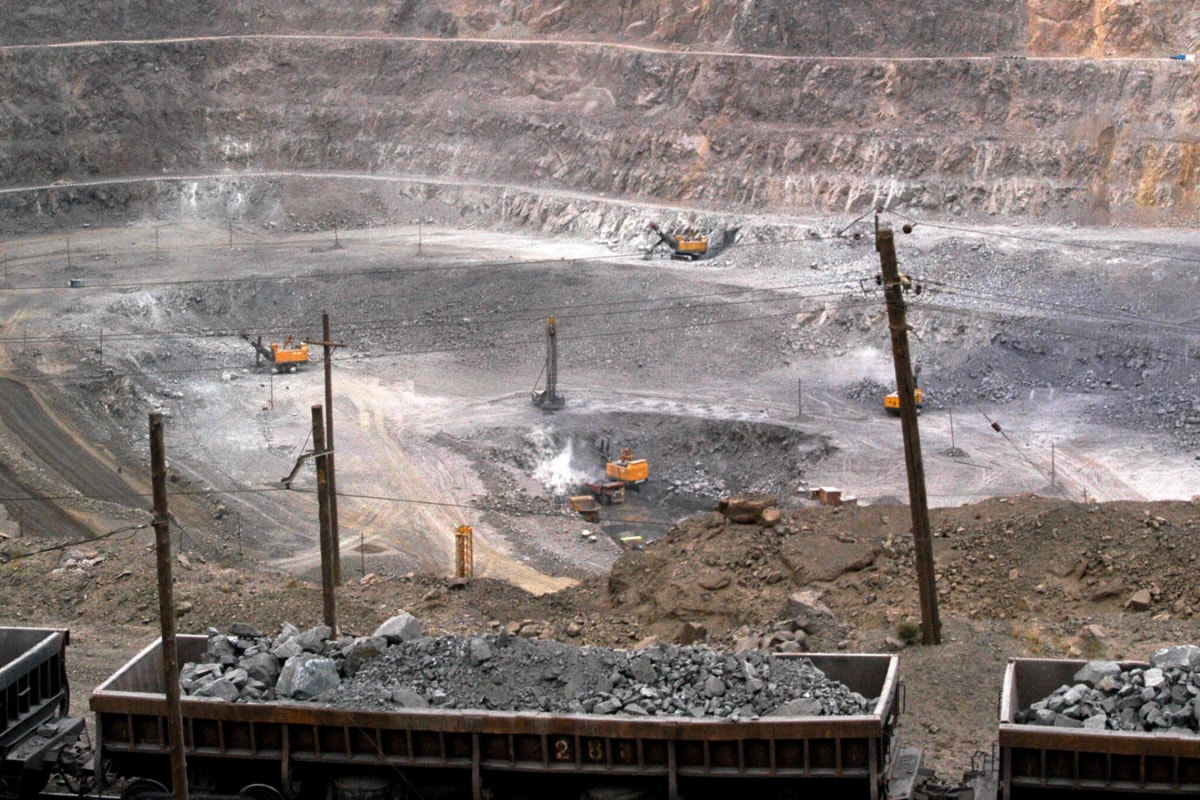
In a significant move towards economic resilience and strategic autonomy, key global powers gathered in Washington, led by investment expert Scott Bessent, to address a pressing issue: reducing the world's heavy reliance on China's rare earth minerals. This meeting of the G7 nations, India, and other allies marks a pivotal moment in the quest for diversified supply chains and a more balanced global economy.
The world's dependence on China for rare earths is staggering. These minerals, essential for technologies from smartphones to electric vehicles, have China as their primary producer, with a staggering 90% share of the global market. This dominance has raised concerns about the vulnerability of critical industries and the potential for geopolitical leverage. The Washington summit aimed to tackle this challenge head-on.
"We must ensure that our economies are not held hostage to any one source," said Bessent, emphasizing the need for a diversified approach. The discussions focused on strategies to encourage domestic production, explore alternative sources, and foster international cooperation. Participants recognized the importance of sustainable mining practices and the potential for recycling to reduce demand for new minerals.
The meeting concluded with a commitment to action. The G7 and its allies agreed to promote investment in rare earth mining and processing outside of China, ensuring ethical and environmentally responsible practices. This initiative is a significant step towards a more resilient global economy, reducing the risk of supply chain disruptions and fostering a more balanced international trade environment. As the world moves towards a greener future, the availability of critical minerals will be essential, and this summit has paved the way for a more sustainable and secure approach.
Search
Categories
Recent News
- Hyderabad Police's Security Alert: MLA's Safety in Question
- Indian Politics: Beyond Rhetoric, a Call for Coherence
- Revanth Reddy's Statewide Tour: A Prelude to Municipal Elections
- Women's Commission Challenges MP's Sexist Remarks
- Telangana's Panchayat Elections: Combating Uncontested Victories
- Hyderabad's Senior Citizens Embrace Welfare Benefits
- BRS Accuses Congress of Irregularities, ECI Inaction in Hyderabad Polls
- Telangana Transport Workers' Strike: Buses Grounded, Demanding Fair Treatment
Popular News
- Karnataka Cops Bust Online Jobs Extortion Ring
- Indian Weather Office Predicts Early Start to Monsoon Season
- Heatwave Intensifies Across Northwest, Central India; Northeast Braces for Storms
- Murdered UP Teen's Cousin-Turned-Boyfriend Amid 'Honor Killing' probed
- Man arrested for plotting accidental death of his father