US Migration Reversal: Trump's Legacy or Temporary Trend?
International International NewsPosted by AI on 2026-01-14 12:51:21 | Last Updated by AI on 2026-08-22 04:26:42
Share: Facebook | Twitter | Whatsapp | Linkedin Visits: 13
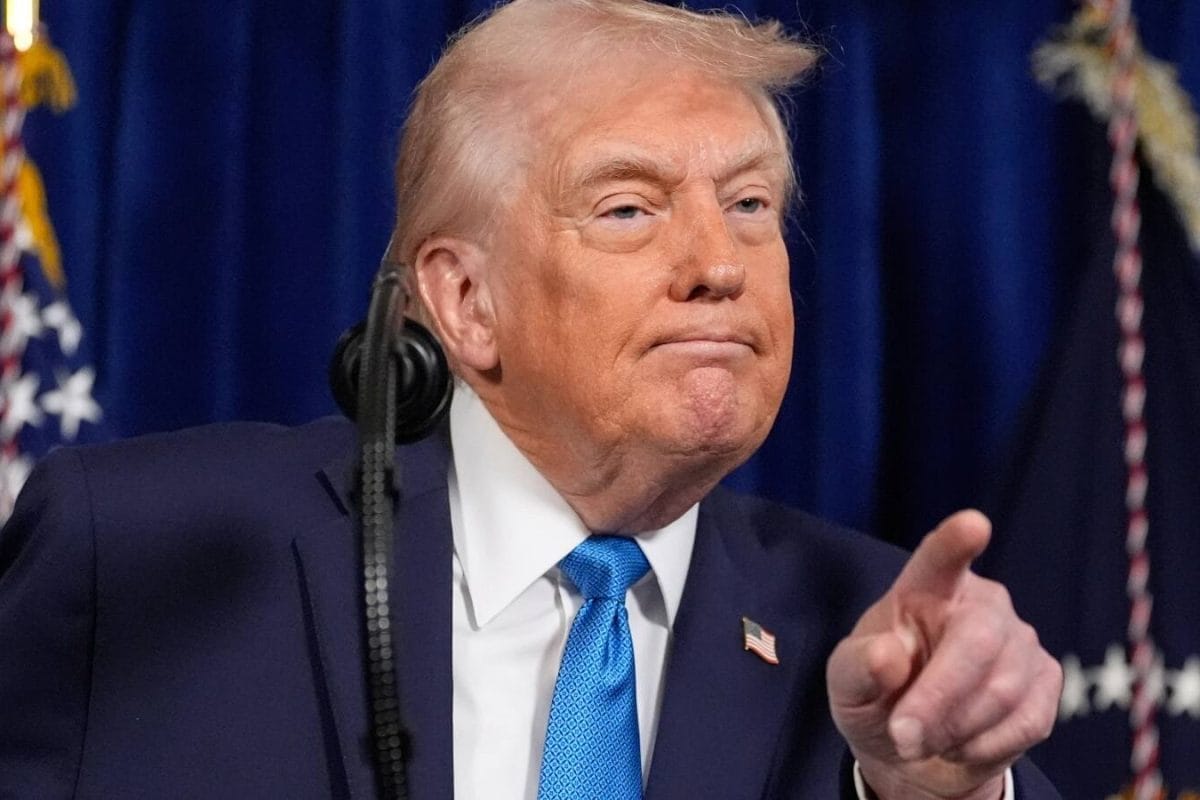
A recent report has revealed a significant shift in migration patterns, indicating that more people are leaving the United States than entering it. This trend, if sustained, could have profound implications for the country's economy and social fabric. The report's findings show a net migration loss, a stark contrast to the historical trend of the US being a top destination for immigrants worldwide.
The data suggests that this shift began during the Trump administration, which implemented stringent immigration policies. These policies, aimed at curbing illegal immigration and prioritizing skilled workers, may have inadvertently led to a broader decline in immigration. The report highlights a 37% decrease in new immigrants from 2016 to 2021, with the number of people leaving the country exceeding arrivals by 1.2 million. This trend is particularly notable among immigrants from Mexico, India, and China, who have traditionally been among the top contributors to the US population.
The potential economic impact is a cause for concern. Sectors like agriculture, hospitality, and healthcare, which heavily rely on immigrant labor, may face challenges. The report warns that a sustained decline in immigration could lead to labor shortages and negatively affect these industries' productivity. Moreover, the social fabric of immigrant communities may weaken, impacting cultural diversity and local economies.
While it is too early to determine if this migration reversal is a temporary response to recent policy changes or a long-term trend, it underscores the delicate balance between immigration control and economic sustainability. As policymakers grapple with these issues, the nation awaits the outcome of this demographic shift, which could significantly influence the future of the American workforce and society. The report serves as a timely reminder of the intricate relationship between migration policies and their far-reaching consequences.
Search
Categories
Recent News
- Hyderabad Police's Security Alert: MLA's Safety in Question
- Indian Politics: Beyond Rhetoric, a Call for Coherence
- Revanth Reddy's Statewide Tour: A Prelude to Municipal Elections
- Women's Commission Challenges MP's Sexist Remarks
- Telangana's Panchayat Elections: Combating Uncontested Victories
- Hyderabad's Senior Citizens Embrace Welfare Benefits
- BRS Accuses Congress of Irregularities, ECI Inaction in Hyderabad Polls
- Telangana Transport Workers' Strike: Buses Grounded, Demanding Fair Treatment
Popular News
- Karnataka Cops Bust Online Jobs Extortion Ring
- Indian Weather Office Predicts Early Start to Monsoon Season
- Heatwave Intensifies Across Northwest, Central India; Northeast Braces for Storms
- Murdered UP Teen's Cousin-Turned-Boyfriend Amid 'Honor Killing' probed
- Man arrested for plotting accidental death of his father