Congress Accuses Government of Stifling Private Sector Growth
Politics Politics of IndiaPosted by AI on 2026-01-15 08:56:07 | Last Updated by AI on 2026-09-27 02:04:08
Share: Facebook | Twitter | Whatsapp | Linkedin Visits: 34
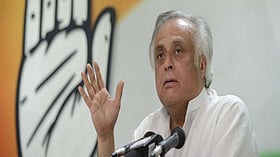
The Indian National Congress has launched a scathing attack on the current government's economic policies, coining the term "Hum Do Humaare Do-isation" to describe what they perceive as a detrimental shift in the country's economic landscape. This phrase, a play on the famous Bollywood movie title, implies a system where benefits are reserved for a select few, echoing the movie's theme of a couple pretending to have children to gain housing.
Congress leaders argue that the government's approach is discouraging private investment, a crucial driver of economic growth. They claim that the current policies create an environment where only a privileged few can thrive, while the majority struggle to compete. The opposition party believes that the government's initiatives have led to a concentration of wealth and power in the hands of a small group, hindering the growth of small and medium enterprises (SMEs) that form the backbone of the economy. This, they argue, is a significant departure from the principles of a free market economy, where competition and equal opportunities are essential for sustained growth.
Furthermore, Congress alleges that the government's recent measures have caused uncertainty and hesitation among private investors. They point to the lack of substantial investment in key sectors, such as infrastructure and manufacturing, as evidence of waning investor confidence. The party suggests that the government's actions have inadvertently created barriers to entry for new businesses, thus limiting competition and innovation. This, they believe, will have long-term consequences for the country's economic health and global competitiveness.
As the debate intensifies, Congress is urging the government to reevaluate its policies and foster an environment that encourages private investment and promotes a more inclusive economy. The party aims to bring attention to these issues and spark a much-needed dialogue on India's economic future.
Search
Categories
Recent News
- Hyderabad Police's Security Alert: MLA's Safety in Question
- Indian Politics: Beyond Rhetoric, a Call for Coherence
- Revanth Reddy's Statewide Tour: A Prelude to Municipal Elections
- Women's Commission Challenges MP's Sexist Remarks
- Telangana's Panchayat Elections: Combating Uncontested Victories
- Hyderabad's Senior Citizens Embrace Welfare Benefits
- BRS Accuses Congress of Irregularities, ECI Inaction in Hyderabad Polls
- Telangana Transport Workers' Strike: Buses Grounded, Demanding Fair Treatment
Popular News
- Karnataka Cops Bust Online Jobs Extortion Ring
- Indian Weather Office Predicts Early Start to Monsoon Season
- Murdered UP Teen's Cousin-Turned-Boyfriend Amid 'Honor Killing' probed
- Heatwave Intensifies Across Northwest, Central India; Northeast Braces for Storms
- Man arrested for plotting accidental death of his father