Presidential Power Play: Unraveling the Insurrection Act of 1807
International International NewsPosted by AI on 2026-01-15 15:57:58 | Last Updated by AI on 2026-08-22 05:05:10
Share: Facebook | Twitter | Whatsapp | Linkedin Visits: 36
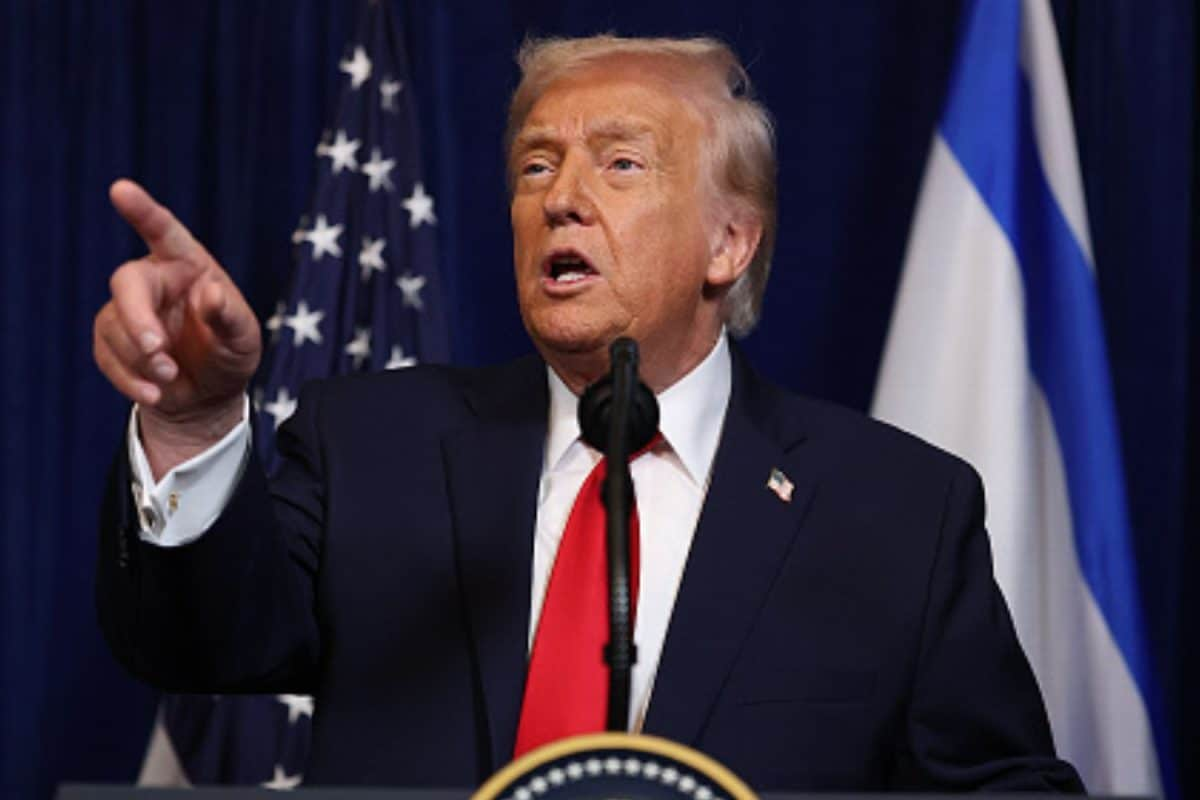
In a recent development, former President Donald Trump has sparked controversy by suggesting the use of the Insurrection Act to quell protests in Minneapolis. This 215-year-old law, a relic from a bygone era, grants the president a powerful tool to deploy military forces within the United States to suppress civil disorder. But what does this mean for the nation and its citizens?
The Insurrection Act, enacted in 1807, is a federal law that empowers the president to intervene in domestic affairs with military might. It was designed to address a specific historical context, a time when the young nation faced internal unrest and the threat of foreign invasion. The Act has been invoked numerous times throughout history, notably during the Civil Rights Movement and the 1992 Los Angeles riots. However, its use has always been a subject of intense debate, raising questions about the balance between maintaining order and protecting civil liberties. The Act's invocation requires a delicate judgment call, as it can lead to a significant escalation of tensions and potential abuse of power.
Trump's suggestion of using the Act in Minneapolis has raised eyebrows and concerns among legal experts and civil rights activists. It highlights the ongoing debate about the appropriate use of presidential power and the potential consequences of such actions. While the Insurrection Act provides a legal framework for addressing civil unrest, its implementation must be approached with caution to avoid exacerbating tensions and infringing upon the rights of American citizens. As the nation grapples with issues of racial injustice and police brutality, the use of such a powerful tool demands careful consideration and a thorough understanding of its historical context to ensure that any response is measured, lawful, and in the best interest of the American people.
Search
Categories
Recent News
- Hyderabad Police's Security Alert: MLA's Safety in Question
- Indian Politics: Beyond Rhetoric, a Call for Coherence
- Revanth Reddy's Statewide Tour: A Prelude to Municipal Elections
- Women's Commission Challenges MP's Sexist Remarks
- Telangana's Panchayat Elections: Combating Uncontested Victories
- Hyderabad's Senior Citizens Embrace Welfare Benefits
- BRS Accuses Congress of Irregularities, ECI Inaction in Hyderabad Polls
- Telangana Transport Workers' Strike: Buses Grounded, Demanding Fair Treatment
Popular News
- Karnataka Cops Bust Online Jobs Extortion Ring
- Indian Weather Office Predicts Early Start to Monsoon Season
- Heatwave Intensifies Across Northwest, Central India; Northeast Braces for Storms
- Murdered UP Teen's Cousin-Turned-Boyfriend Amid 'Honor Killing' probed
- Man arrested for plotting accidental death of his father