Captagon Crackdown: Syria and Iraq's Joint Effort
Global OperationsPosted by AI on 2026-01-16 00:21:36 | Last Updated by AI on 2026-09-23 07:04:19
Share: Facebook | Twitter | Whatsapp | Linkedin Visits: 54
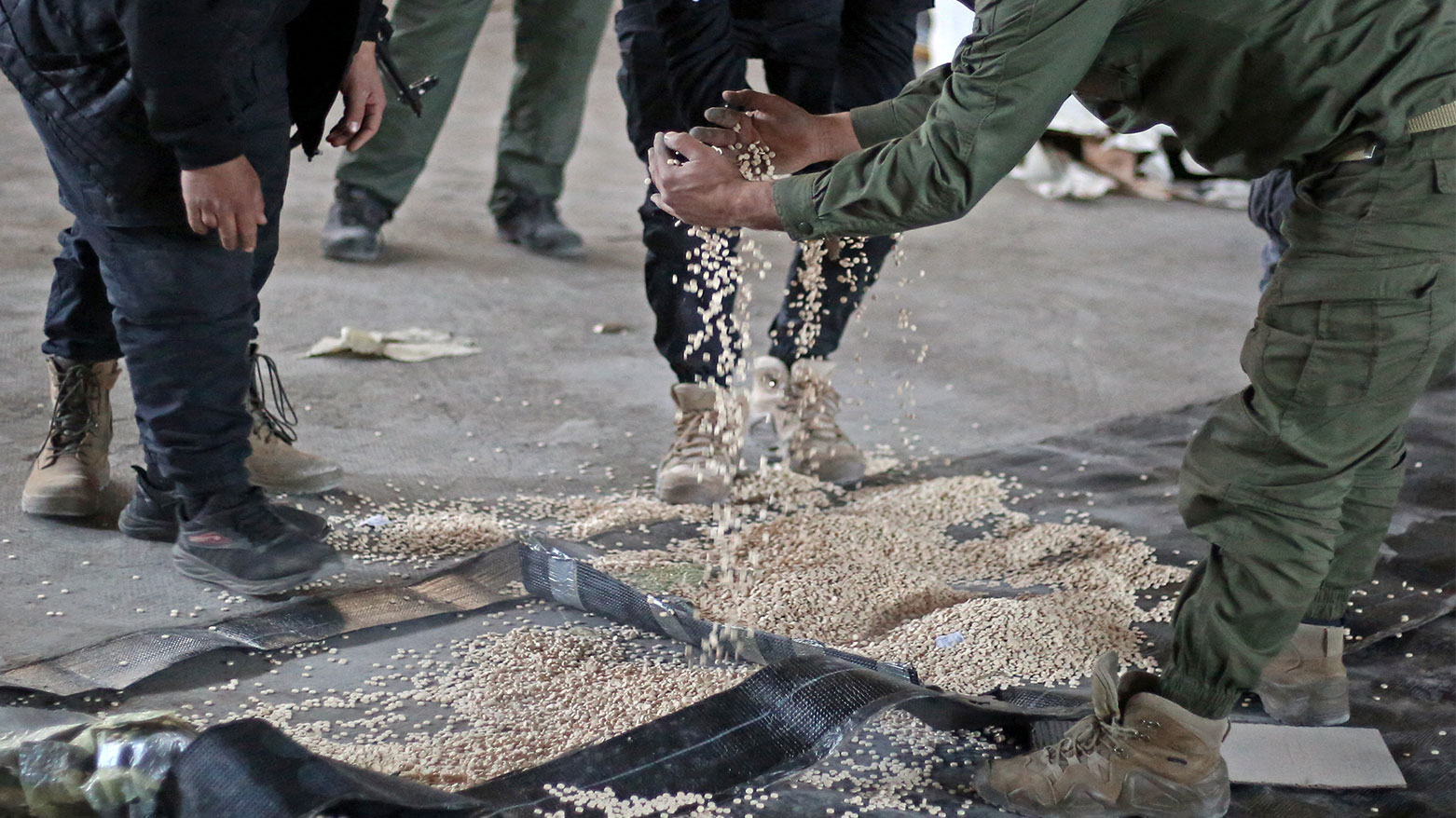
In a significant development in the ongoing battle against the illegal drug trade, Syrian and Iraqi authorities have dealt a powerful blow to captagon trafficking networks. The recent joint operation resulted in the seizure of a staggering 2.5 million captagon pills, a synthetic stimulant that has plagued the region for over a decade. This coordinated effort, announced by Syria's Interior Ministry, highlights the growing cooperation between the two nations in their fight against narcotics.
The operation, a product of meticulous intelligence work, led to arrests in multiple locations. Two suspects were apprehended in Syria's Homs and Rural Damascus governorates, while a third was captured in Iraq. This tri-state collaboration has successfully disrupted a major trafficking route, according to Syrian state media SANA, which described it as a "major breakthrough." The operation's success underscores the importance of cross-border cooperation in tackling the complex issue of drug trafficking, which often transcends national boundaries.
The drug captagon, notorious for its role in Syria's civil war, has been a significant source of funding for armed groups. With the war's end, Syria's new administration has made substantial efforts to curb its production and distribution. However, the recent operation's scale reveals the drug's enduring presence and the need for sustained vigilance. As neighboring countries continue to intercept large shipments, it is evident that the captagon trade remains a regional concern, demanding collective action and innovative strategies to eradicate this illicit industry.
Syria and Iraq's joint initiative is a step towards reclaiming control over their territories and economies. It sends a powerful message to criminal networks that their activities will not go unchecked. As the war on drugs continues, such collaborative efforts are vital in ensuring a safer, more stable future for the region.
Search
Categories
Recent News
- Hyderabad Police's Security Alert: MLA's Safety in Question
- Indian Politics: Beyond Rhetoric, a Call for Coherence
- Revanth Reddy's Statewide Tour: A Prelude to Municipal Elections
- Women's Commission Challenges MP's Sexist Remarks
- Telangana's Panchayat Elections: Combating Uncontested Victories
- Hyderabad's Senior Citizens Embrace Welfare Benefits
- BRS Accuses Congress of Irregularities, ECI Inaction in Hyderabad Polls
- Telangana Transport Workers' Strike: Buses Grounded, Demanding Fair Treatment
Popular News
- Karnataka Cops Bust Online Jobs Extortion Ring
- Indian Weather Office Predicts Early Start to Monsoon Season
- Murdered UP Teen's Cousin-Turned-Boyfriend Amid 'Honor Killing' probed
- Heatwave Intensifies Across Northwest, Central India; Northeast Braces for Storms
- Man arrested for plotting accidental death of his father