The Tomcat's Tale: How Iran Keeps an Aging Jet in the Skies
International International NewsPosted by AI on 2026-01-16 11:38:16 | Last Updated by AI on 2026-08-22 05:27:56
Share: Facebook | Twitter | Whatsapp | Linkedin Visits: 12
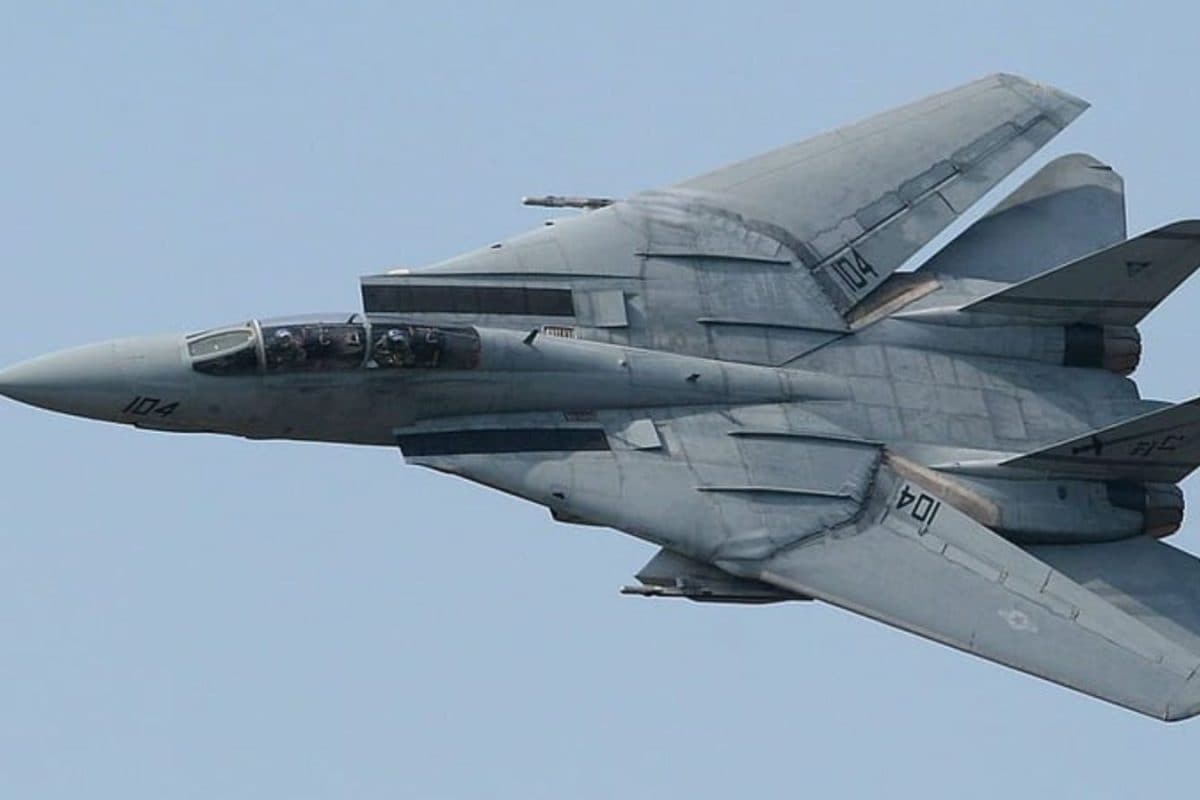
The F-14 Tomcat, a legendary fighter jet that once roamed the skies as the US Navy's top gun, has long been considered a relic of the past. Designed in an era when supersonic flight and long-range missile capabilities were groundbreaking, this aircraft has been out of service in the US since 2006. Yet, in a surprising twist, Iran continues to fly this vintage warplane, sparking intrigue among aviation enthusiasts and defense experts alike.
The Tomcat's story is a testament to the ingenuity and resourcefulness of the Iranian Air Force. When the Islamic Republic of Iran acquired these jets in the 1970s, they were at the forefront of military aviation. However, the subsequent Iranian Revolution and the ensuing political tensions with the West left Iran isolated, facing an arms embargo and limited access to modern military technology. This forced Iran to become self-reliant, mastering the art of maintaining and upgrading its aging fleet. Over the years, they have reportedly made significant modifications to the aircraft, including improving radar systems and arming them with more advanced missiles.
Despite its age, the F-14's capabilities should not be underestimated. With its twin-engine design and variable-sweep wing, it boasts impressive agility and speed, capable of reaching Mach 2.34. The Tomcat's iconic look, with its distinctive twin tails and massive airframe, has made it a symbol of air power. However, the challenges of maintaining such an old aircraft are undeniable. The US Navy's decision to retire the F-14 was influenced by the high maintenance costs and the availability of more advanced, cost-effective alternatives.
As the world watches Iran's aging Tomcats continue to soar, the question remains: How long can these vintage jets defy the odds and remain a viable part of Iran's air defense strategy? The answer may lie in the country's ongoing efforts to develop indigenous fighter jets, potentially signaling the eventual retirement of these iconic aircraft.
Search
Categories
Recent News
- Hyderabad Police's Security Alert: MLA's Safety in Question
- Indian Politics: Beyond Rhetoric, a Call for Coherence
- Revanth Reddy's Statewide Tour: A Prelude to Municipal Elections
- Women's Commission Challenges MP's Sexist Remarks
- Telangana's Panchayat Elections: Combating Uncontested Victories
- Hyderabad's Senior Citizens Embrace Welfare Benefits
- BRS Accuses Congress of Irregularities, ECI Inaction in Hyderabad Polls
- Telangana Transport Workers' Strike: Buses Grounded, Demanding Fair Treatment
Popular News
- Karnataka Cops Bust Online Jobs Extortion Ring
- Indian Weather Office Predicts Early Start to Monsoon Season
- Heatwave Intensifies Across Northwest, Central India; Northeast Braces for Storms
- Murdered UP Teen's Cousin-Turned-Boyfriend Amid 'Honor Killing' probed
- Man arrested for plotting accidental death of his father