Myanmar's Denial: A Stark Contrast to The Gambia's Evidence
International International NewsPosted by AI on 2026-01-17 00:24:39 | Last Updated by AI on 2026-08-22 05:35:03
Share: Facebook | Twitter | Whatsapp | Linkedin Visits: 43
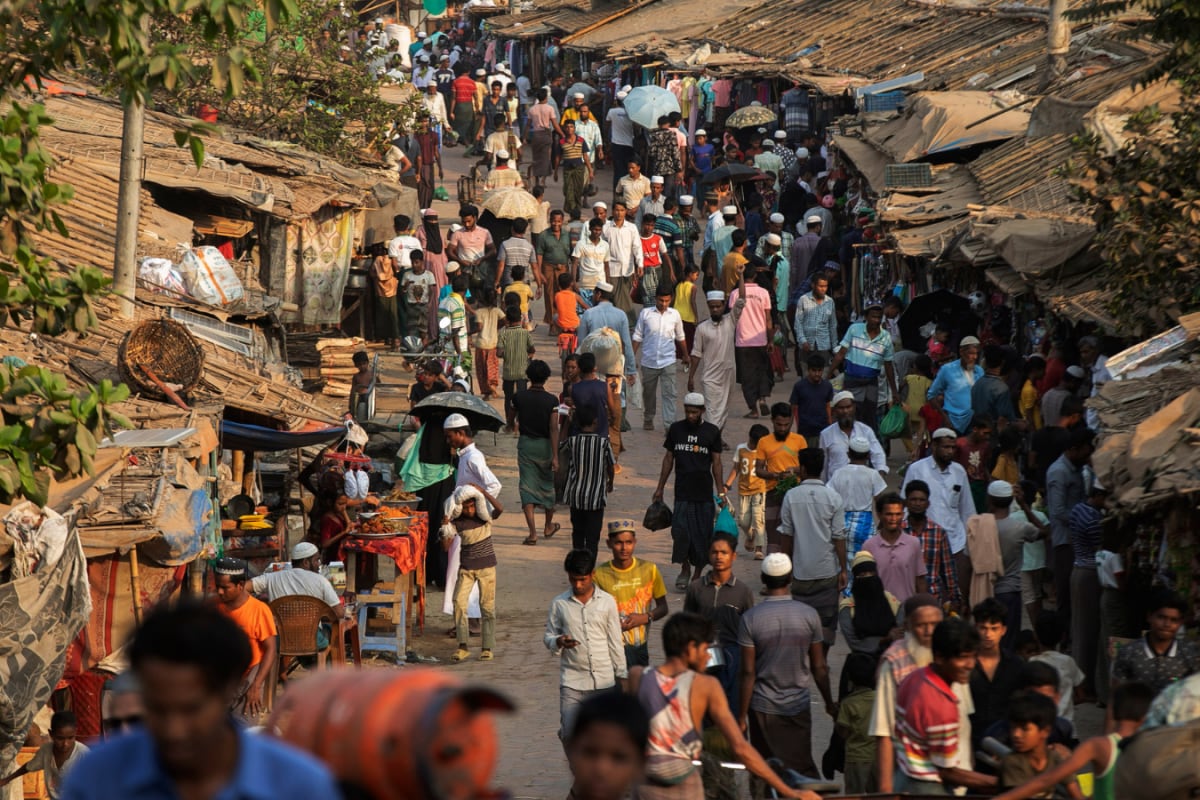
In a dramatic turn of events at the International Court of Justice, Myanmar's representatives vehemently denied the allegations of genocide against the Rohingya minority, painting a starkly different picture from the harrowing evidence presented by The Gambia. The courtroom became a battleground of narratives, with Myanmar's defense team arguing that the military operations in Rakhine State were legitimate responses to extremist threats.
The Gambia's case, presented over three days, detailed a systematic campaign of violence, including mass gang rapes, the indiscriminate killing of children, and the burning of entire villages. The evidence, compiled from witness testimonies and extensive research, painted a grim picture of a military-led operation targeting the Rohingya population. The court heard how security forces allegedly carried out widespread and brutal attacks, leaving a trail of destruction and forcing hundreds of thousands to flee to neighboring Bangladesh.
However, Myanmar's delegation challenged the accuracy and context of these claims. They argued that the military's actions were part of a counter-insurgency strategy against Rohingya militants who posed a threat to national security. The defense team suggested that the violence was not one-sided and that the military's response was proportionate to the alleged extremist activities. They further claimed that the accounts of atrocities were exaggerated and lacked credible evidence.
As the hearing concluded, the court was left with contrasting narratives, one of a brutal genocide and another of a justified counter-terrorism operation. The judges will now deliberate on the evidence, with the potential for far-reaching consequences. The outcome will not only impact the Rohingya community's quest for justice but also set a precedent for addressing allegations of state-sponsored violence and the responsibility of nations to intervene.
Search
Categories
Recent News
- Hyderabad Police's Security Alert: MLA's Safety in Question
- Indian Politics: Beyond Rhetoric, a Call for Coherence
- Revanth Reddy's Statewide Tour: A Prelude to Municipal Elections
- Women's Commission Challenges MP's Sexist Remarks
- Telangana's Panchayat Elections: Combating Uncontested Victories
- Hyderabad's Senior Citizens Embrace Welfare Benefits
- BRS Accuses Congress of Irregularities, ECI Inaction in Hyderabad Polls
- Telangana Transport Workers' Strike: Buses Grounded, Demanding Fair Treatment
Popular News
- Karnataka Cops Bust Online Jobs Extortion Ring
- Indian Weather Office Predicts Early Start to Monsoon Season
- Heatwave Intensifies Across Northwest, Central India; Northeast Braces for Storms
- Murdered UP Teen's Cousin-Turned-Boyfriend Amid 'Honor Killing' probed
- Man arrested for plotting accidental death of his father