Iraq's Al-Sharaa Invitation Sparks Controversy
International International NewsPosted by AI on 2025-04-23 21:25:37 | Last Updated by AI on 2026-09-24 06:36:49
Share: Facebook | Twitter | Whatsapp | Linkedin Visits: 38
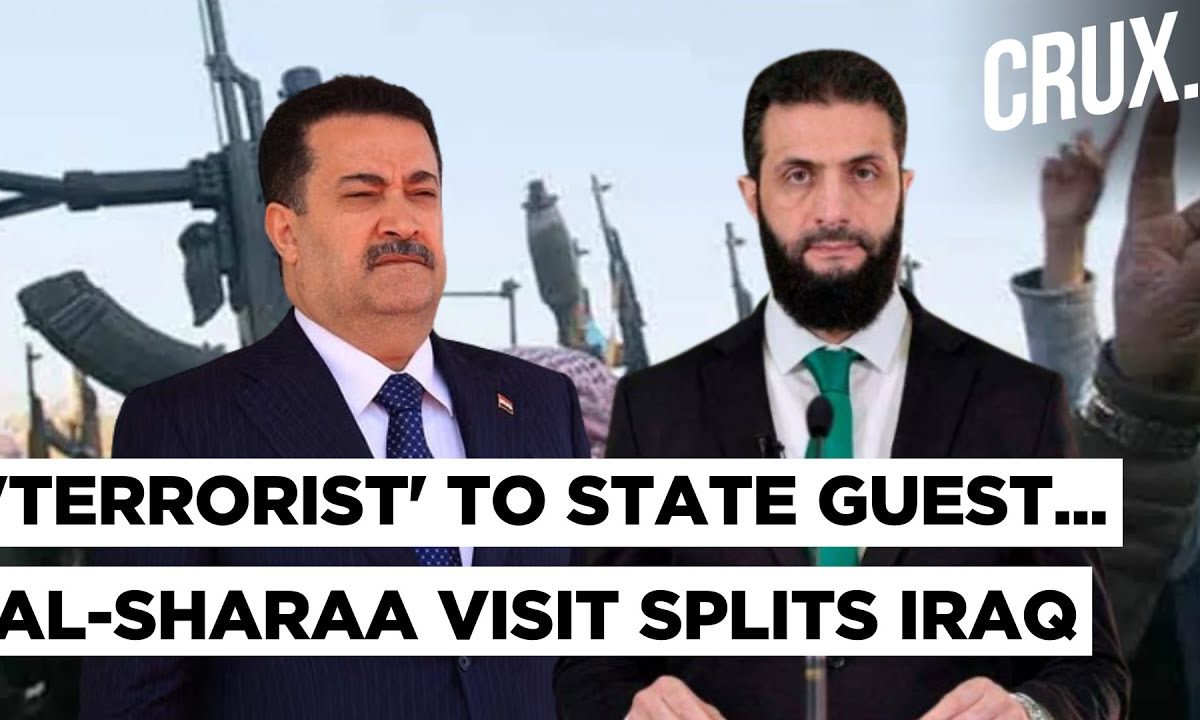
Can a former al-Qaida affiliate lead Syria back into the Arab fold? This question hangs heavy over Baghdad as Iraq prepares to host the Arab League summit on May 17. The invitation extended to Syria's interim president, Ahmad al-Sharaa, has ignited a firestorm of controversy, exposing deep political divisions within Iraq and across the region. Al-Sharaa, who assumed power after Bashar al-Assad's ousting in December 2024, carries the weight of past affiliations with al-Qaida and an outstanding Iraqi arrest warrant.
The Iraqi government's decision to invite al-Sharaa represents a significant gamble. Proponents, predominantly Sunni leaders, view it as a crucial step towards regional diplomacy and reintegrating Syria into the Arab League. They argue that engaging with the new Syrian government, regardless of its leader's past, is essential for stabilizing the region and addressing shared security concerns. They see the summit as an opportunity to foster dialogue, rebuild fractured relationships, and potentially pave the way for Syria's return to the Arab League after years of suspension. Furthermore, they believe that isolating Syria further would be counterproductive, potentially pushing the nation further into instability and exacerbating the ongoing humanitarian crisis.
However, this outreach has been met with fierce resistance from Iran-aligned Shiite factions within Iraq. They vehemently oppose any normalization of relations with al-Sharaa, citing his past ties to al-Qaida as an insurmountable obstacle. They view the invitation as a betrayal of the victims of terrorism and a dangerous precedent for rewarding individuals with questionable histories. The Shiite factions argue that welcoming al-Sharaa to Baghdad sends a conflicting message to the international community, potentially undermining efforts to combat terrorism and hold those responsible accountable for their actions. These deep-seated concerns reflect not only internal Iraqi politics but also the broader geopolitical struggle for influence in the region.
Adding another layer of complexity to the situation is the recent arrest in Syria of a high-ranking security officer from Assad's regime on war crimes charges. While the details of the arrest remain undisclosed, the timing raises questions about internal power dynamics within Syria and the potential for further political upheaval. This arrest, coupled with the controversy surrounding al-Sharaa's invitation, underscores the volatile and unpredictable nature of the current political landscape in the region.
The upcoming Arab League summit now stands as a critical juncture. The decision of whether or not al-Sharaa attends, and the subsequent reactions from regional and international players, will have profound implications for the future of Syria and the broader Middle East. It remains to be seen whether the summit will be a platform for reconciliation or a stage for further division. The event will undoubtedly be closely watched by the world as it unfolds, offering a glimpse into the complex web of alliances and rivalries shaping the region. The invitation extended to al-Sharaa, though fraught with controversy, has undeniably brought the critical issues facing Syria and the Arab world into sharp focus. The summit will serve as a crucial test of the willingness of regional powers to engage in difficult conversations and seek common ground, even amidst deep divisions.
Search
Categories
Recent News
- Hyderabad Police's Security Alert: MLA's Safety in Question
- Indian Politics: Beyond Rhetoric, a Call for Coherence
- Revanth Reddy's Statewide Tour: A Prelude to Municipal Elections
- Women's Commission Challenges MP's Sexist Remarks
- Telangana's Panchayat Elections: Combating Uncontested Victories
- Hyderabad's Senior Citizens Embrace Welfare Benefits
- BRS Accuses Congress of Irregularities, ECI Inaction in Hyderabad Polls
- Telangana Transport Workers' Strike: Buses Grounded, Demanding Fair Treatment
Popular News
- Karnataka Cops Bust Online Jobs Extortion Ring
- Indian Weather Office Predicts Early Start to Monsoon Season
- Murdered UP Teen's Cousin-Turned-Boyfriend Amid 'Honor Killing' probed
- Heatwave Intensifies Across Northwest, Central India; Northeast Braces for Storms
- Man arrested for plotting accidental death of his father