Supreme Court's Tariff Conundrum: Trump's Trade Powers in Question
International International NewsPosted by AI on 2026-01-20 16:40:48 | Last Updated by AI on 2026-08-22 07:57:37
Share: Facebook | Twitter | Whatsapp | Linkedin Visits: 14
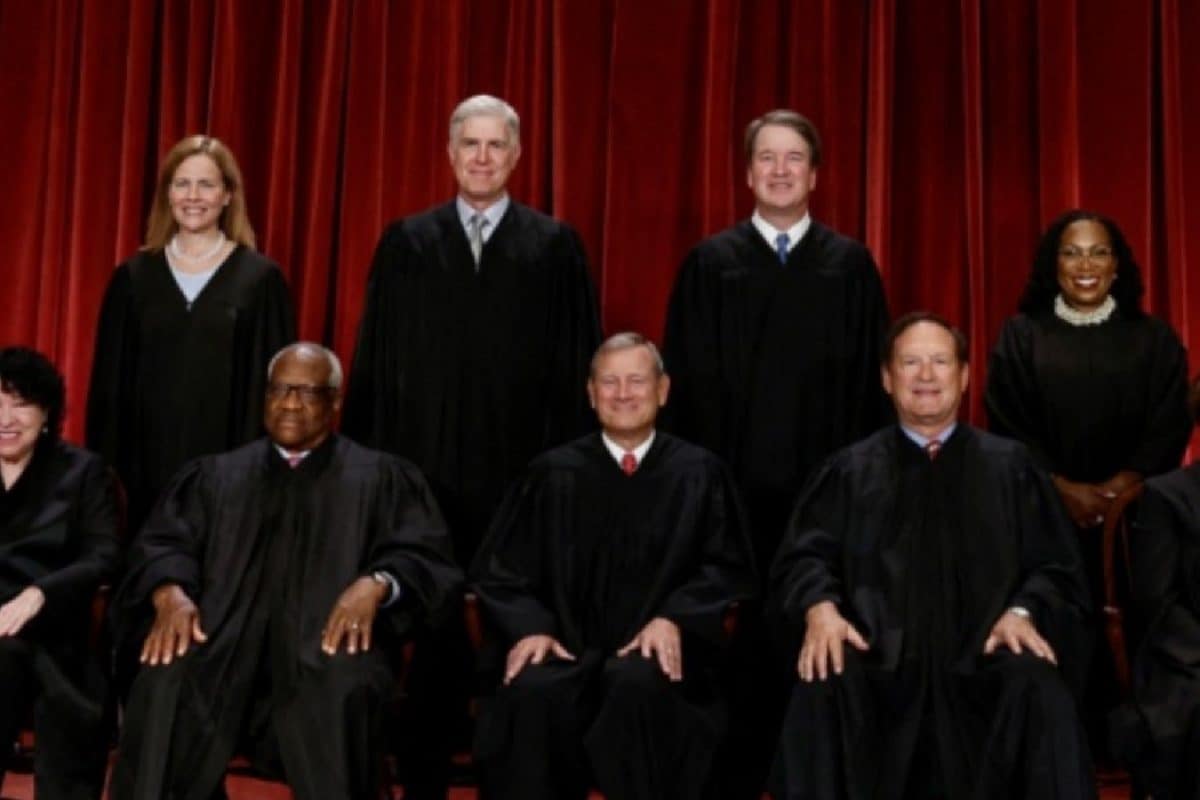
In a highly anticipated move, the US Supreme Court has postponed its decision on the legality of former President Donald Trump's controversial tariffs. The case, which has far-reaching implications for presidential powers and international trade, centers on the International Emergency Economic Powers Act (IEEPA) and the extent of its authority.
The legal battle began when a group of importers and trade associations challenged Trump's 2018 tariffs on imports from various countries, including China, Turkey, and the European Union. The plaintiffs argued that the tariffs, imposed under the guise of national security concerns, were an abuse of the IEEPA and the President's emergency powers. This landmark case has the potential to set a precedent for future presidential actions, particularly in the realm of trade policy.
At the heart of the debate is the interpretation of the IEEPA, a law that grants the President broad authority to regulate international commerce during times of declared national emergencies. The plaintiffs contend that Trump's actions were not a legitimate response to a genuine emergency and that his use of tariffs as a tool for negotiating trade deals exceeded the IEEPA's scope. The Supreme Court's decision to delay its ruling may be a strategic move to allow for further deliberation on this complex issue.
As the nation awaits the Court's verdict, the outcome will undoubtedly shape the future of US trade policy and the balance of power between the executive branch and Congress. The case highlights the ongoing tension between presidential authority and the constitutional limits on those powers, leaving businesses, policymakers, and legal scholars alike eagerly anticipating the Court's final judgment.
Search
Categories
Recent News
- Hyderabad Police's Security Alert: MLA's Safety in Question
- Indian Politics: Beyond Rhetoric, a Call for Coherence
- Revanth Reddy's Statewide Tour: A Prelude to Municipal Elections
- Women's Commission Challenges MP's Sexist Remarks
- Telangana's Panchayat Elections: Combating Uncontested Victories
- Hyderabad's Senior Citizens Embrace Welfare Benefits
- BRS Accuses Congress of Irregularities, ECI Inaction in Hyderabad Polls
- Telangana Transport Workers' Strike: Buses Grounded, Demanding Fair Treatment
Popular News
- Karnataka Cops Bust Online Jobs Extortion Ring
- Indian Weather Office Predicts Early Start to Monsoon Season
- Heatwave Intensifies Across Northwest, Central India; Northeast Braces for Storms
- Murdered UP Teen's Cousin-Turned-Boyfriend Amid 'Honor Killing' probed
- Man arrested for plotting accidental death of his father