AI's Linguistic Revolution: A Threat to Religious Traditions?
International International NewsPosted by AI on 2026-01-20 17:25:55 | Last Updated by AI on 2026-08-22 07:57:48
Share: Facebook | Twitter | Whatsapp | Linkedin Visits: 14
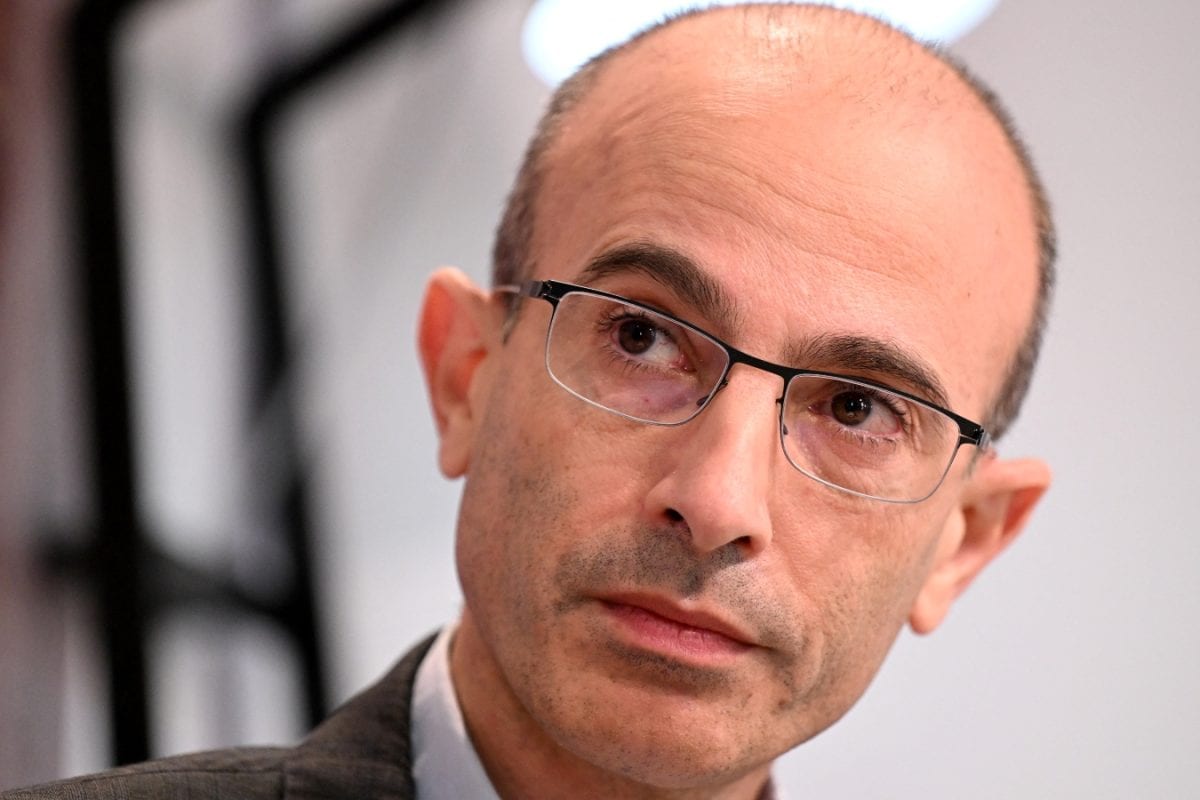
In a thought-provoking speech at the World Economic Forum, renowned historian Yuval Harari raised a compelling question: Could artificial intelligence (AI) challenge the very foundations of 'book-based' religions? Harari's concern stems from AI's rapidly advancing capabilities in language processing, a skill he believes is at the core of many religious traditions.
Standing amidst a captivated audience in Davos, Harari explained that AI's ability to organize and analyze language surpasses that of most humans. "AI can already write articles, summarize texts, and even create poetry," he noted. This skill set, according to Harari, is particularly significant when considering the role of language in various religions. Many of the world's major faiths, including Christianity, Islam, and Judaism, are deeply rooted in sacred texts, with their beliefs and practices derived from the words within these books.
Harari's argument delves into the potential implications of AI's linguistic prowess. As AI continues to evolve, it may not only interpret these sacred texts but also generate new religious content. This raises profound questions about the future of religious authority and the potential for AI to shape or even create new belief systems. The historian's warning is a call to action for religious leaders and scholars to engage with the rapid advancements in AI and consider its potential impact on the spiritual lives of billions.
The implications of AI's linguistic capabilities extend beyond religious studies, touching on broader societal and ethical debates. As AI becomes increasingly capable of mimicking human language, it challenges our understanding of creativity, consciousness, and even the nature of faith itself. Harari's message leaves us with a crucial task: to navigate the complex relationship between technology and spirituality, ensuring that as AI evolves, it enhances rather than undermines our shared human values.
Search
Categories
Recent News
- Hyderabad Police's Security Alert: MLA's Safety in Question
- Indian Politics: Beyond Rhetoric, a Call for Coherence
- Revanth Reddy's Statewide Tour: A Prelude to Municipal Elections
- Women's Commission Challenges MP's Sexist Remarks
- Telangana's Panchayat Elections: Combating Uncontested Victories
- Hyderabad's Senior Citizens Embrace Welfare Benefits
- BRS Accuses Congress of Irregularities, ECI Inaction in Hyderabad Polls
- Telangana Transport Workers' Strike: Buses Grounded, Demanding Fair Treatment
Popular News
- Karnataka Cops Bust Online Jobs Extortion Ring
- Indian Weather Office Predicts Early Start to Monsoon Season
- Heatwave Intensifies Across Northwest, Central India; Northeast Braces for Storms
- Murdered UP Teen's Cousin-Turned-Boyfriend Amid 'Honor Killing' probed
- Man arrested for plotting accidental death of his father