Diplomatic Spat: Russia's Lavrov Takes Aim at Britain's Colonial Past
International International NewsPosted by AI on 2026-01-20 18:47:06 | Last Updated by AI on 2026-08-22 07:56:32
Share: Facebook | Twitter | Whatsapp | Linkedin Visits: 15
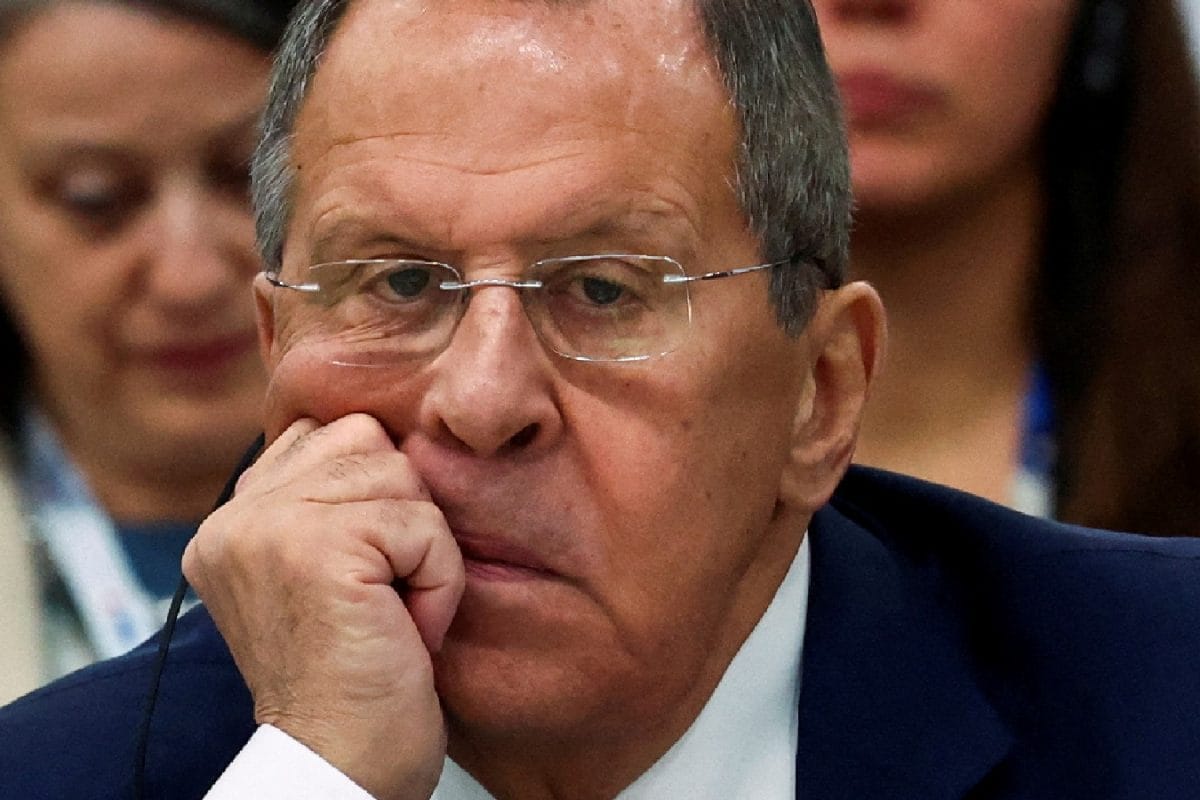
In a recent diplomatic exchange, Russian Foreign Minister Sergey Lavrov sparked a heated debate by suggesting that the United Kingdom should reconsider its colonial-era moniker, "Great Britain." This proposal came amidst discussions on Greenland, a territory with a complex colonial history.
Lavrov's remarks, delivered with a hint of sarcasm, aimed to highlight the ongoing global discourse on colonialism and its legacy. He argued that the term "Great" in the country's name is a relic of an era when Britain's colonial power was at its peak. The minister's statement was a response to British criticism of Russia's alleged colonial ambitions in the Arctic, particularly regarding Greenland. This northern territory, an autonomous part of Denmark, has been at the center of geopolitical discussions due to its strategic location and natural resources.
The Russian minister's comments have ignited a debate about the legacy of colonialism and the ongoing impact of historical power dynamics. While some view Lavrov's words as a provocative attempt to deflect criticism, others see it as a necessary reflection on the language and symbolism of colonial empires. This exchange highlights the sensitivity surrounding colonial history and the potential for diplomatic disputes to arise from these unresolved issues.
As the debate continues, it raises questions about the role of historical terminology in modern geopolitics. The discussion may prompt a reevaluation of how nations address their colonial past and its implications for international relations. With tensions high, the diplomatic arena awaits further responses, potentially shaping the narrative around colonialism and its modern-day consequences. The world watches to see if this exchange will lead to a deeper dialogue or further strain relations between nations grappling with their shared colonial history.
Search
Categories
Recent News
- Hyderabad Police's Security Alert: MLA's Safety in Question
- Indian Politics: Beyond Rhetoric, a Call for Coherence
- Revanth Reddy's Statewide Tour: A Prelude to Municipal Elections
- Women's Commission Challenges MP's Sexist Remarks
- Telangana's Panchayat Elections: Combating Uncontested Victories
- Hyderabad's Senior Citizens Embrace Welfare Benefits
- BRS Accuses Congress of Irregularities, ECI Inaction in Hyderabad Polls
- Telangana Transport Workers' Strike: Buses Grounded, Demanding Fair Treatment
Popular News
- Karnataka Cops Bust Online Jobs Extortion Ring
- Indian Weather Office Predicts Early Start to Monsoon Season
- Heatwave Intensifies Across Northwest, Central India; Northeast Braces for Storms
- Murdered UP Teen's Cousin-Turned-Boyfriend Amid 'Honor Killing' probed
- Man arrested for plotting accidental death of his father