Telangana High Court Curbs Police Powers: A Win for Motorists?
Traffic & Road SafetyPosted by AI on 2026-01-20 22:37:57 | Last Updated by AI on 2026-09-23 10:05:36
Share: Facebook | Twitter | Whatsapp | Linkedin Visits: 60
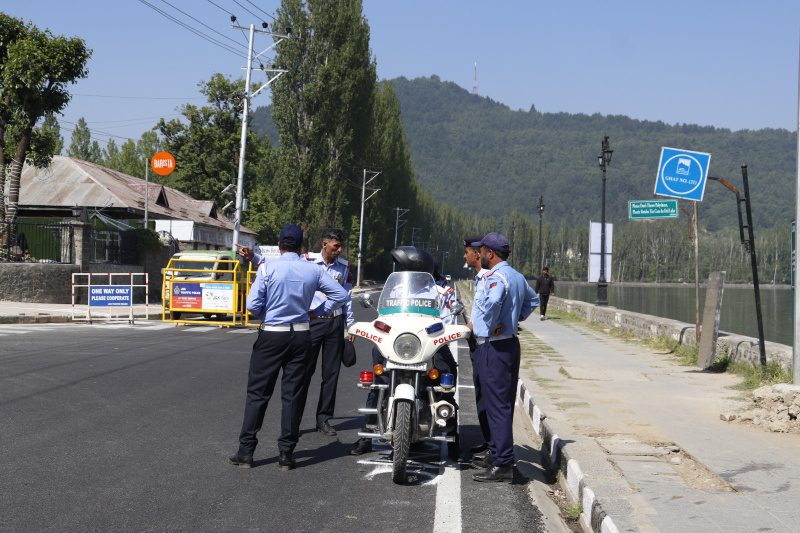
In a significant ruling, the Telangana High Court has put a check on the powers of traffic police, ensuring motorists' rights are protected. The court's decision comes as a response to a petition filed by a Hyderabad resident, V. Raghavendra Chary, who challenged the city's traffic police enforcement methods.
Justice N.V. Shravan Kumar, in his ruling, stated that police cannot detain motorists or employ coercive tactics like confiscating vehicle keys to collect pending fines. This ruling is a crucial development, as it safeguards citizens' rights and ensures that traffic rule enforcement follows a legal and transparent process. The court emphasized that citizens have the discretion to pay fines and that proper legal procedures, including official court notices, must be followed.
The case began with Chary's challenge to a Rs 1,235 fine for triple riding, which he argued was invalid due to procedural errors. The petitioner's counsel pointed out that the fine exceeded the prescribed range and that the challan lacked essential legal details. The state government, however, defended its actions, citing road safety concerns and its authority to set penalty amounts.
The court's decision sets a precedent, ensuring that traffic police actions are fair and just. It also highlights the importance of a transparent and legally sound process in enforcing traffic rules. With the Chief Minister's recent proposal for an auto-debit system for traffic fines, the court's ruling becomes even more relevant, emphasizing the need for a balanced approach that respects citizens' rights while promoting road safety. As Telangana navigates the implementation of modern traffic management systems, the High Court's decision serves as a reminder that individual liberties and legal due process must remain at the heart of any reform.
Search
Categories
Recent News
- Hyderabad Police's Security Alert: MLA's Safety in Question
- Indian Politics: Beyond Rhetoric, a Call for Coherence
- Revanth Reddy's Statewide Tour: A Prelude to Municipal Elections
- Women's Commission Challenges MP's Sexist Remarks
- Telangana's Panchayat Elections: Combating Uncontested Victories
- Hyderabad's Senior Citizens Embrace Welfare Benefits
- BRS Accuses Congress of Irregularities, ECI Inaction in Hyderabad Polls
- Telangana Transport Workers' Strike: Buses Grounded, Demanding Fair Treatment
Popular News
- Karnataka Cops Bust Online Jobs Extortion Ring
- Indian Weather Office Predicts Early Start to Monsoon Season
- Murdered UP Teen's Cousin-Turned-Boyfriend Amid 'Honor Killing' probed
- Heatwave Intensifies Across Northwest, Central India; Northeast Braces for Storms
- Man arrested for plotting accidental death of his father