Andhra Pradesh Forms Council to Combat AIDS
Politics Politics of IndiaPosted by AI on 2025-04-23 23:15:20 | Last Updated by AI on 2026-09-23 22:27:31
Share: Facebook | Twitter | Whatsapp | Linkedin Visits: 41
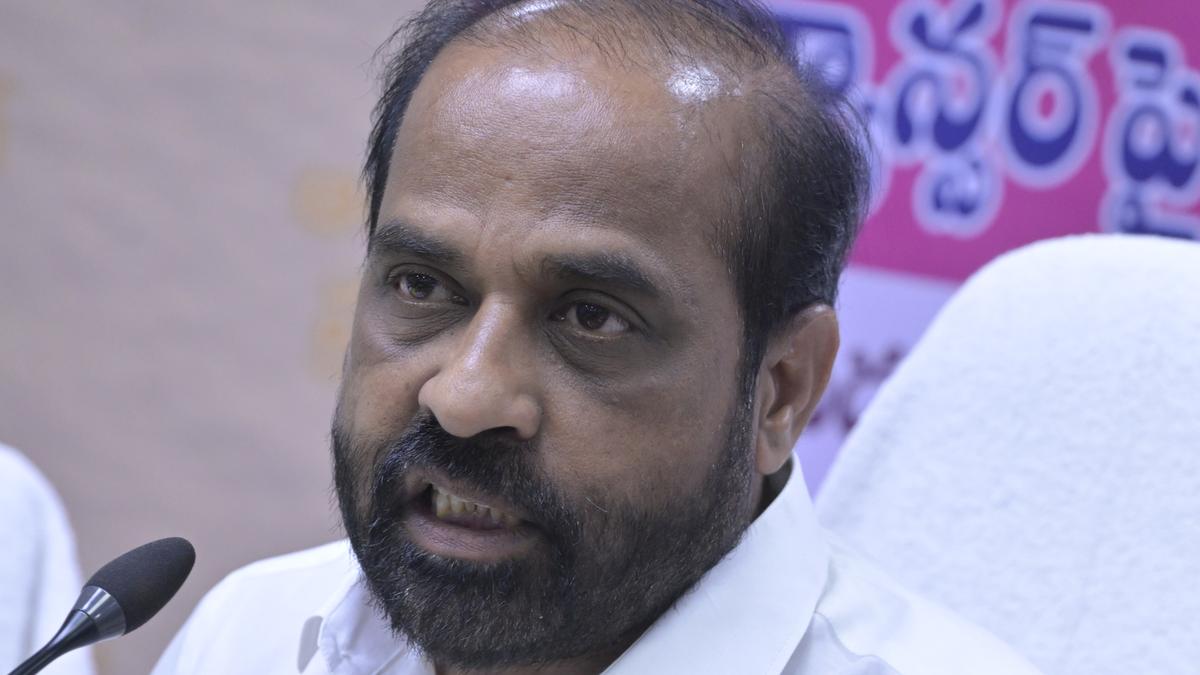
Can a dedicated council turn the tide against HIV/AIDS in Andhra Pradesh? Chief Minister Chandrababu Naidu has given the green light for the formation of an 18-member council specifically tasked with overseeing and strengthening efforts to control the spread of HIV/AIDS within the state. This move, announced by Health Minister Satya Kumar, aims to bolster the existing programs and strategies aimed at tackling this critical public health challenge.
The establishment of this council signals a renewed focus on addressing the complexities of the HIV/AIDS epidemic in Andhra Pradesh. While the specific composition and responsibilities of the council members are yet to be fully detailed, the initiative underscores the government's commitment to a more coordinated and comprehensive approach. The council's mandate will likely involve evaluating current prevention and treatment programs, identifying gaps in service delivery, and recommending evidence-based strategies to enhance the effectiveness of interventions. This could involve focusing on high-risk groups, improving access to testing and treatment facilities, and strengthening community engagement to reduce stigma and discrimination.
The success of the council will depend heavily on its ability to foster collaboration between government agencies, healthcare providers, community organizations, and people living with HIV/AIDS. By bringing together diverse stakeholders, the council can create a more integrated and responsive system for addressing the multifaceted challenges posed by the epidemic. This collaborative approach is essential for ensuring that policies and programs are informed by the lived experiences of those most affected by HIV/AIDS.
This initiative also highlights the ongoing global effort to control and eventually eradicate HIV/AIDS. While significant progress has been made in developing effective antiretroviral therapies and prevention strategies, challenges remain, particularly in ensuring equitable access to these interventions. The formation of the council in Andhra Pradesh aligns with the broader global health agenda of achieving the Sustainable Development Goals, specifically the target of ending the AIDS epidemic as a public health threat by 2030.
The next steps will involve the official appointment of council members, the definition of their specific roles and responsibilities, and the development of a clear action plan. The effectiveness of this new body will be measured not only by its ability to strengthen existing programs but also by its impact on key indicators such as HIV incidence, access to testing and treatment, and reduction in AIDS-related morbidity and mortality. This focused effort by the Andhra Pradesh government offers a renewed sense of hope in the fight against HIV/AIDS, and its progress will be closely watched by public health officials and advocates alike. The council's work has the potential to serve as a model for other states and regions grappling with similar challenges.
Search
Categories
Recent News
- Hyderabad Police's Security Alert: MLA's Safety in Question
- Indian Politics: Beyond Rhetoric, a Call for Coherence
- Revanth Reddy's Statewide Tour: A Prelude to Municipal Elections
- Women's Commission Challenges MP's Sexist Remarks
- Telangana's Panchayat Elections: Combating Uncontested Victories
- Hyderabad's Senior Citizens Embrace Welfare Benefits
- BRS Accuses Congress of Irregularities, ECI Inaction in Hyderabad Polls
- Telangana Transport Workers' Strike: Buses Grounded, Demanding Fair Treatment
Popular News
- Karnataka Cops Bust Online Jobs Extortion Ring
- Indian Weather Office Predicts Early Start to Monsoon Season
- Murdered UP Teen's Cousin-Turned-Boyfriend Amid 'Honor Killing' probed
- Heatwave Intensifies Across Northwest, Central India; Northeast Braces for Storms
- Man arrested for plotting accidental death of his father