Britain's Diplomatic Pivot: Starmer's China Charm Offensive
International International NewsPosted by AI on 2026-01-21 13:16:59 | Last Updated by AI on 2026-08-22 08:29:48
Share: Facebook | Twitter | Whatsapp | Linkedin Visits: 27
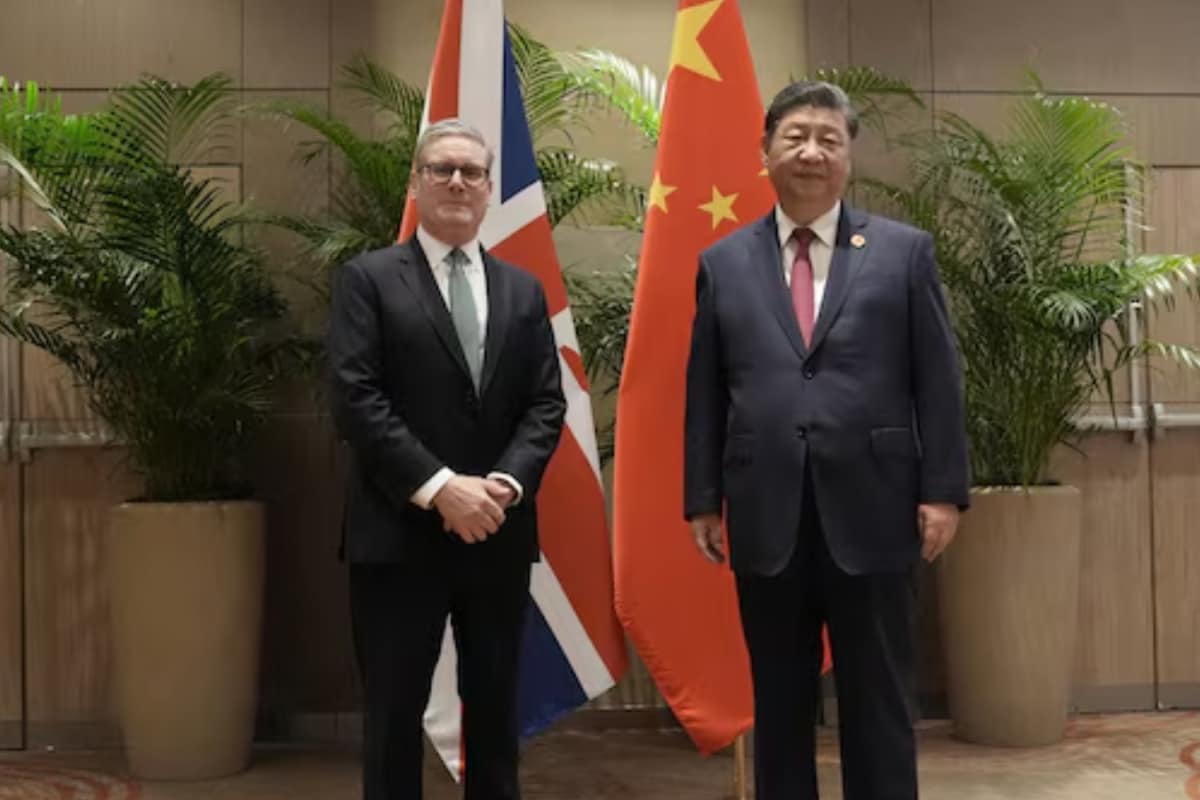
In a significant shift in UK foreign policy, Prime Minister Keir Starmer is embarking on a diplomatic mission to reset relations with China, a move that has raised eyebrows and sparked debate among allies and critics alike. This strategic outreach comes at a time when the UK's special relationship with the United States is under strain, leaving many wondering about the implications for the transatlantic alliance.
The UK's new China strategy is a bold attempt to navigate the complex geopolitical landscape. With the US-UK relationship facing challenges, particularly over the Northern Ireland Protocol, Starmer's government is seeking to diversify its diplomatic portfolio. This pivot towards China, a global powerhouse, is a calculated move to secure economic opportunities and potentially gain leverage in future negotiations with the US. The Prime Minister's office has emphasized the importance of engaging with China, citing the need for a "mature and respectful dialogue" to address global challenges.
However, this diplomatic overture has not been without controversy. Critics argue that the UK's eagerness to engage with China may undermine its commitment to human rights and democratic values. The timing of this outreach, amidst escalating tensions between China and the West, has also raised concerns about potential risks. Some analysts suggest that the UK's approach could be interpreted as a sign of weakness or desperation, especially if not accompanied by a clear and consistent strategy.
As the UK navigates this delicate diplomatic path, the world watches with anticipation. The success of Starmer's China reset will depend on a fine balance between economic pragmatism and upholding core values. This strategic shift is a testament to the evolving nature of global diplomacy and the challenges of maintaining alliances in a rapidly changing geopolitical environment. The coming months will reveal whether this bold move strengthens Britain's global position or becomes a diplomatic tightrope walk with uncertain outcomes.
Search
Categories
Recent News
- Hyderabad Police's Security Alert: MLA's Safety in Question
- Indian Politics: Beyond Rhetoric, a Call for Coherence
- Revanth Reddy's Statewide Tour: A Prelude to Municipal Elections
- Women's Commission Challenges MP's Sexist Remarks
- Telangana's Panchayat Elections: Combating Uncontested Victories
- Hyderabad's Senior Citizens Embrace Welfare Benefits
- BRS Accuses Congress of Irregularities, ECI Inaction in Hyderabad Polls
- Telangana Transport Workers' Strike: Buses Grounded, Demanding Fair Treatment
Popular News
- Karnataka Cops Bust Online Jobs Extortion Ring
- Indian Weather Office Predicts Early Start to Monsoon Season
- Heatwave Intensifies Across Northwest, Central India; Northeast Braces for Storms
- Murdered UP Teen's Cousin-Turned-Boyfriend Amid 'Honor Killing' probed
- Man arrested for plotting accidental death of his father