Trump's Davos Address: Tariffs, Drug Prices, and Fed Criticism
International International NewsPosted by AI on 2026-01-21 15:47:54 | Last Updated by AI on 2026-08-22 08:28:54
Share: Facebook | Twitter | Whatsapp | Linkedin Visits: 17
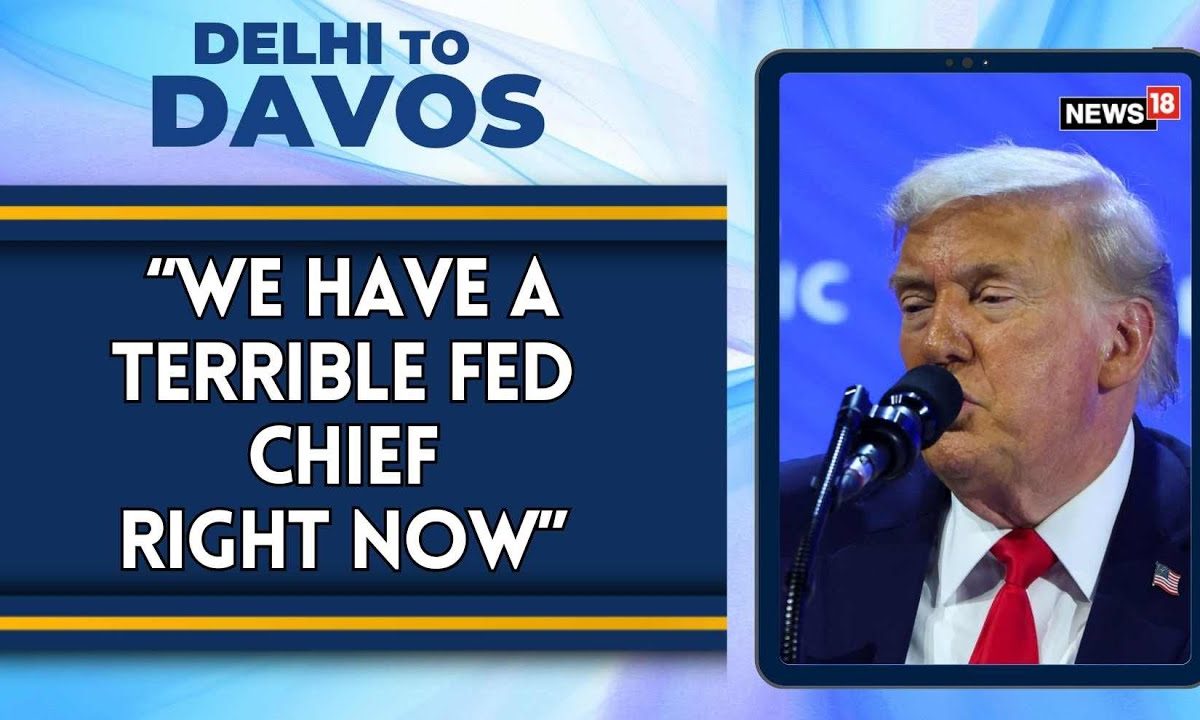
In a bold statement at the World Economic Forum in Davos, President Donald Trump asserted that his administration's tariffs will be the key to lowering drug prices in the United States, potentially making them the lowest globally. This claim was part of a broader speech that also targeted the Federal Reserve's leadership.
Trump's address captivated the audience, as he confidently proclaimed, "We will bring drug prices down to levels never seen before." He argued that tariffs are a powerful tool to negotiate better trade deals, which, in turn, will enable the US to secure more affordable medications. This strategy, according to the President, will alleviate the financial burden on American citizens, a promise that has been a cornerstone of his political agenda.
The President's criticism of the Federal Reserve's monetary policies added a layer of complexity to his speech. He expressed his dissatisfaction with the Fed's handling of interest rates, suggesting that their decisions have hindered economic growth. This public rebuke of the Fed chief is a significant departure from the traditional respect shown to the central bank's independence.
Trump's remarks at Davos have sparked both intrigue and debate. While his tariff-driven approach to drug pricing has its supporters, economists and healthcare experts are keenly awaiting further details on the implementation and potential consequences. As the world listens to the US President's economic and healthcare vision, the impact of these policies on global markets and international relations remains a subject of intense speculation and analysis.
Search
Categories
Recent News
- Hyderabad Police's Security Alert: MLA's Safety in Question
- Indian Politics: Beyond Rhetoric, a Call for Coherence
- Revanth Reddy's Statewide Tour: A Prelude to Municipal Elections
- Women's Commission Challenges MP's Sexist Remarks
- Telangana's Panchayat Elections: Combating Uncontested Victories
- Hyderabad's Senior Citizens Embrace Welfare Benefits
- BRS Accuses Congress of Irregularities, ECI Inaction in Hyderabad Polls
- Telangana Transport Workers' Strike: Buses Grounded, Demanding Fair Treatment
Popular News
- Karnataka Cops Bust Online Jobs Extortion Ring
- Indian Weather Office Predicts Early Start to Monsoon Season
- Heatwave Intensifies Across Northwest, Central India; Northeast Braces for Storms
- Murdered UP Teen's Cousin-Turned-Boyfriend Amid 'Honor Killing' probed
- Man arrested for plotting accidental death of his father