Chicago's Air Quality Suffers: A Deep Dive into the Causes
International International NewsPosted by AI on 2025-04-24 02:09:58 | Last Updated by AI on 2026-09-24 08:11:28
Share: Facebook | Twitter | Whatsapp | Linkedin Visits: 39
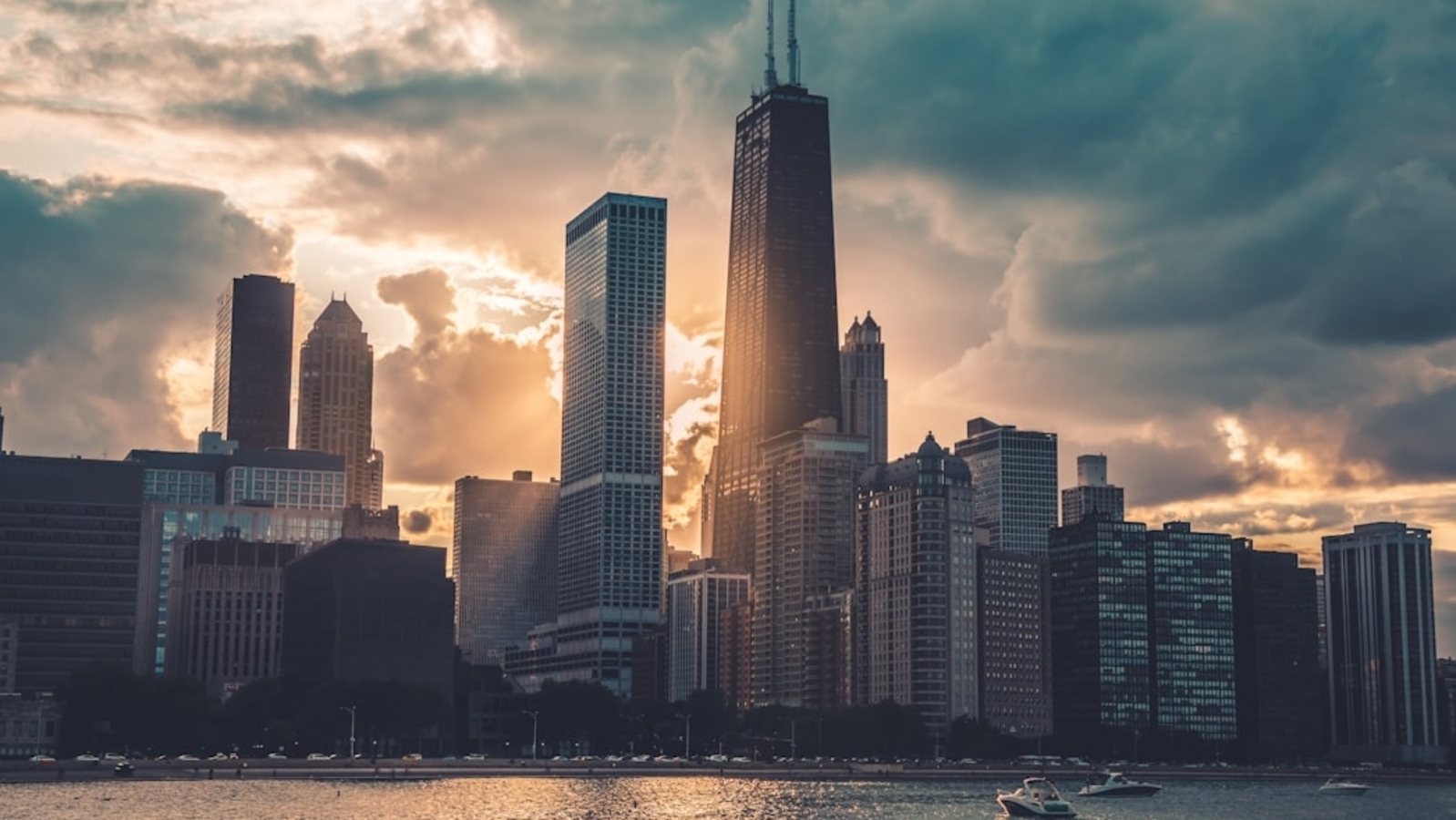
Can you imagine a thick, grey haze clinging to the city skyline, obscuring its iconic buildings and making breathing a conscious effort? This is the reality for many Chicago residents as a new analysis ranks the city's air quality among the worst in the United States. But what's causing this alarming decline in air quality, and what are the implications for public health and the city's future?
Chicago's position as a major transportation hub contributes significantly to its poor air quality. The constant flow of trucks, trains, and airplanes, particularly diesel-powered vehicles, release harmful pollutants like nitrogen oxides and particulate matter into the air. These pollutants contribute to smog formation, reducing visibility and posing serious health risks. The city's industrial sector, including manufacturing and power generation facilities, further compounds the problem. While regulations exist to limit emissions, their effectiveness is continually being challenged by increasing industrial activity and aging infrastructure.
Adding to the complexity of the issue is Chicago's geographical location. Prevailing winds from the west often carry pollutants from industrial areas outside the city, adding to the locally generated pollution. During periods of stagnant air and temperature inversions, these pollutants become trapped close to the ground, exacerbating the problem and creating unhealthy breathing conditions, particularly for vulnerable populations like children, the elderly, and those with respiratory conditions.
The health consequences of prolonged exposure to poor air quality are severe. Respiratory illnesses like asthma and bronchitis become more prevalent, and the risk of cardiovascular diseases increases. The microscopic particles in polluted air can penetrate deep into the lungs and even enter the bloodstream, contributing to inflammation and long-term health problems. The economic burden of these health issues is substantial, straining healthcare systems and impacting productivity.
Addressing this complex challenge requires a multifaceted approach. Strengthening regulations on industrial emissions and transitioning to cleaner transportation options, such as electric vehicles and public transit, are crucial steps. Investing in renewable energy sources and improving energy efficiency can further reduce reliance on polluting power plants. Public awareness campaigns can educate residents about the importance of air quality and encourage individual actions, like reducing car usage and using public transportation.
The future of Chicago's air quality hinges on the collaborative efforts of government agencies, industries, and individuals. Implementing effective policies, embracing innovative technologies, and fostering a collective responsibility for environmental stewardship are essential to ensure that all Chicago residents can breathe clean, healthy air. The challenge is significant, but the potential for positive change is immense. Ultimately, a healthier environment translates to a healthier and more vibrant city for all.
Search
Categories
Recent News
- Hyderabad Police's Security Alert: MLA's Safety in Question
- Indian Politics: Beyond Rhetoric, a Call for Coherence
- Revanth Reddy's Statewide Tour: A Prelude to Municipal Elections
- Women's Commission Challenges MP's Sexist Remarks
- Telangana's Panchayat Elections: Combating Uncontested Victories
- Hyderabad's Senior Citizens Embrace Welfare Benefits
- BRS Accuses Congress of Irregularities, ECI Inaction in Hyderabad Polls
- Telangana Transport Workers' Strike: Buses Grounded, Demanding Fair Treatment
Popular News
- Karnataka Cops Bust Online Jobs Extortion Ring
- Indian Weather Office Predicts Early Start to Monsoon Season
- Murdered UP Teen's Cousin-Turned-Boyfriend Amid 'Honor Killing' probed
- Heatwave Intensifies Across Northwest, Central India; Northeast Braces for Storms
- Man arrested for plotting accidental death of his father