Shiv Sena's BMC Power Play: A Delicate Political Balance
Politics Politics of IndiaPosted by AI on 2026-01-22 18:24:29 | Last Updated by AI on 2026-09-26 12:42:20
Share: Facebook | Twitter | Whatsapp | Linkedin Visits: 28
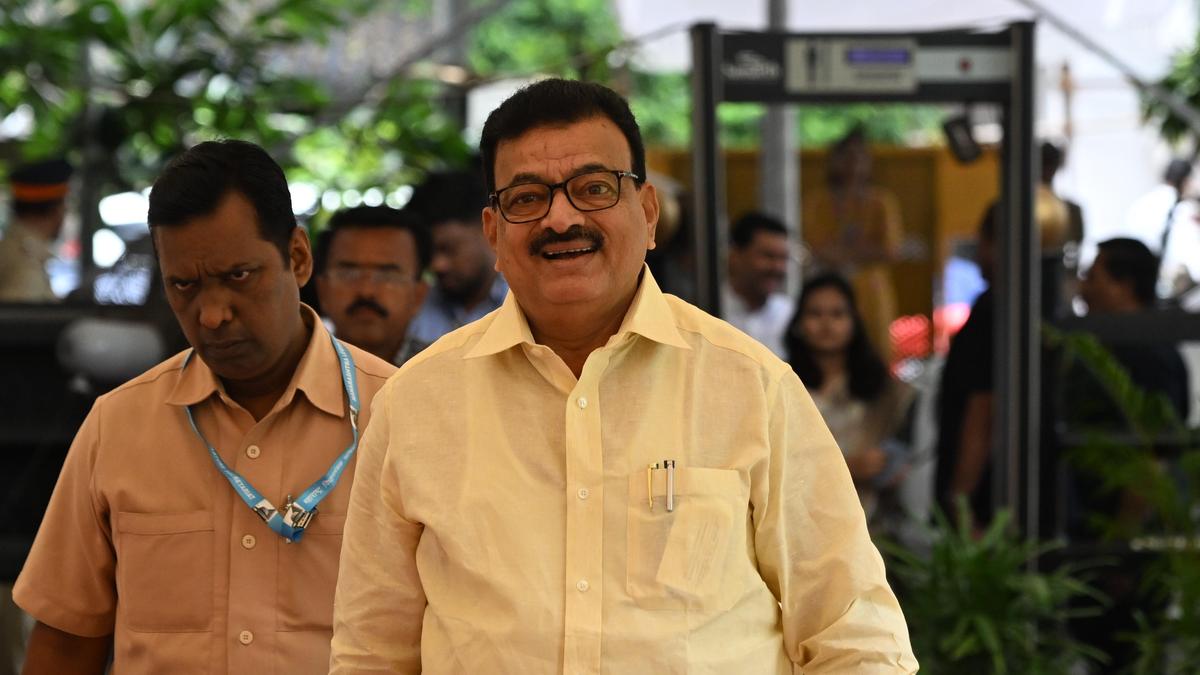
In the complex world of Indian politics, the battle for control of the Brihanmumbai Municipal Corporation (BMC) is a high-stakes game. With the recent political split in the Shiv Sena, the BMC, one of the richest municipal corporations in the country, has become a crucial battleground.
The Shiv Sena (UBT), led by Uddhav Thackeray, currently holds 65 seats in the BMC, while the faction led by Eknath Shinde has 29. The magic number for a majority is 114, leaving both sides scrambling for allies to form a stable government. The BMC's power is not just symbolic; it controls the administration and development of Mumbai, a city with a population of over 20 million and a significant economic hub.
Shiv Sena (UBT) leaders have urged Eknath Shinde to support Uddhav Thackeray in the BMC, emphasizing the need for unity and stability. "We appeal to Shinde and his group to support us in the BMC for the betterment of Mumbai," said a senior Sena (UBT) leader. This move could potentially provide the much-needed stability in the city's administration, which has been in limbo since the political rift.
The BMC election results will have far-reaching consequences, impacting not just local governance but also the political landscape of Maharashtra. With both factions vying for power, the BMC has become a strategic arena, where alliances and negotiations will determine the city's future. As the political drama unfolds, Mumbai awaits a resolution that will shape its governance and development trajectory. The outcome of this power play will be crucial in determining the city's ability to address its challenges and capitalize on its vast potential.
Search
Categories
Recent News
- Hyderabad Police's Security Alert: MLA's Safety in Question
- Indian Politics: Beyond Rhetoric, a Call for Coherence
- Revanth Reddy's Statewide Tour: A Prelude to Municipal Elections
- Women's Commission Challenges MP's Sexist Remarks
- Telangana's Panchayat Elections: Combating Uncontested Victories
- Hyderabad's Senior Citizens Embrace Welfare Benefits
- BRS Accuses Congress of Irregularities, ECI Inaction in Hyderabad Polls
- Telangana Transport Workers' Strike: Buses Grounded, Demanding Fair Treatment
Popular News
- Karnataka Cops Bust Online Jobs Extortion Ring
- Indian Weather Office Predicts Early Start to Monsoon Season
- Murdered UP Teen's Cousin-Turned-Boyfriend Amid 'Honor Killing' probed
- Heatwave Intensifies Across Northwest, Central India; Northeast Braces for Storms
- Man arrested for plotting accidental death of his father