High Court Questions Police Over Charges Against Congress Leader
Politics Politics of IndiaPosted by AI on 2026-01-22 18:37:35 | Last Updated by AI on 2026-09-26 12:43:07
Share: Facebook | Twitter | Whatsapp | Linkedin Visits: 29
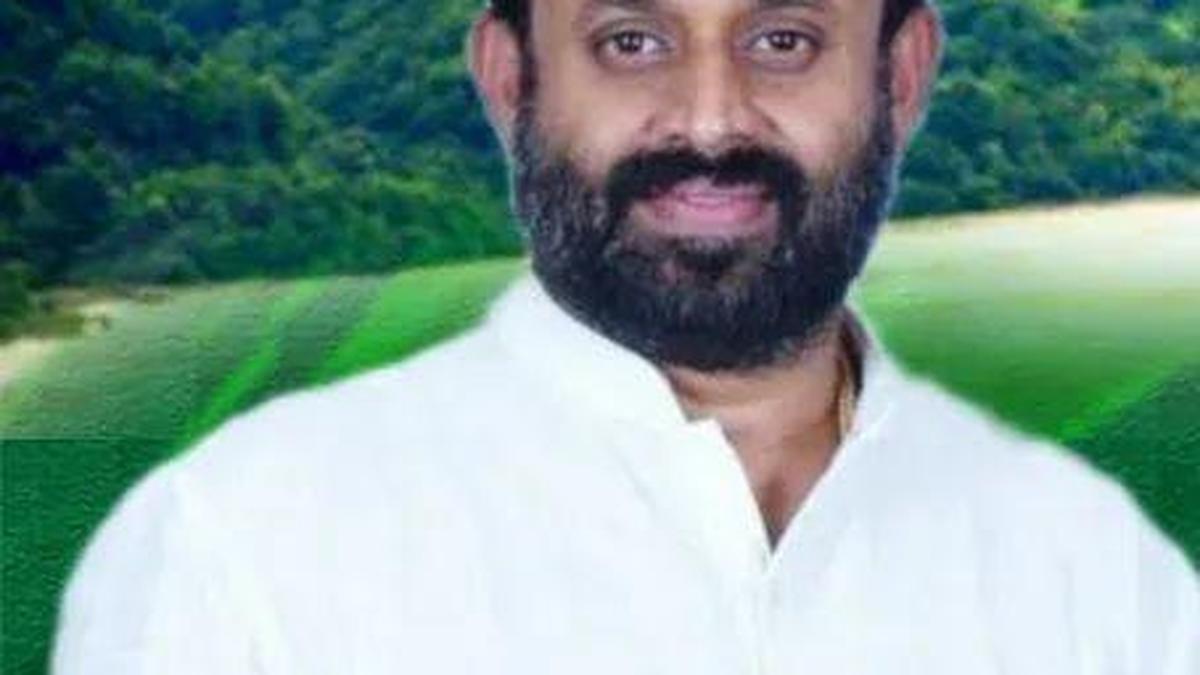
In a recent development, the Karnataka High Court has raised questions regarding the charges brought against Congress leader Rajeev Gowda, who was accused of threatening and abusing a government official. The court's inquiry has shed light on a potential oversight in the application of the law, particularly concerning the protection of women's modesty.
The incident in question involves an altercation between Gowda and Shidlaghatta CMC Commissioner Dr. S.V. Shekar, where the politician allegedly used abusive language and threatened the official. The High Court's scrutiny of the case has led to a significant observation: why wasn't the more severe charge of 'insulting the modesty of a woman' invoked against Gowda? This question has sparked further investigation into the police's handling of the case.
The court's refusal to quash the First Information Report (FIR) against Gowda indicates a commitment to thoroughness and justice. By challenging the police's decision not to include the more serious offense, the court is ensuring that the law is applied consistently and appropriately. This case highlights the importance of judicial oversight in maintaining the integrity of the legal process and protecting the rights of all citizens, regardless of their political affiliations.
As the legal proceedings unfold, the public awaits further clarity on the charges and the subsequent actions taken. This incident serves as a reminder that no one is above the law and that the judiciary plays a vital role in upholding justice and equality, especially in cases involving public figures and sensitive issues such as women's rights and dignity. The outcome of this case will undoubtedly shape public perception and reinforce the principles of a fair and impartial legal system.
Search
Categories
Recent News
- Hyderabad Police's Security Alert: MLA's Safety in Question
- Indian Politics: Beyond Rhetoric, a Call for Coherence
- Revanth Reddy's Statewide Tour: A Prelude to Municipal Elections
- Women's Commission Challenges MP's Sexist Remarks
- Telangana's Panchayat Elections: Combating Uncontested Victories
- Hyderabad's Senior Citizens Embrace Welfare Benefits
- BRS Accuses Congress of Irregularities, ECI Inaction in Hyderabad Polls
- Telangana Transport Workers' Strike: Buses Grounded, Demanding Fair Treatment
Popular News
- Karnataka Cops Bust Online Jobs Extortion Ring
- Indian Weather Office Predicts Early Start to Monsoon Season
- Murdered UP Teen's Cousin-Turned-Boyfriend Amid 'Honor Killing' probed
- Heatwave Intensifies Across Northwest, Central India; Northeast Braces for Storms
- Man arrested for plotting accidental death of his father