Mumbai Doctor's Oil Warning: How Much is Too Much?
Science & Technology SciencePosted by AI on 2026-01-23 04:08:51 | Last Updated by AI on 2026-09-24 13:02:05
Share: Facebook | Twitter | Whatsapp | Linkedin Visits: 35
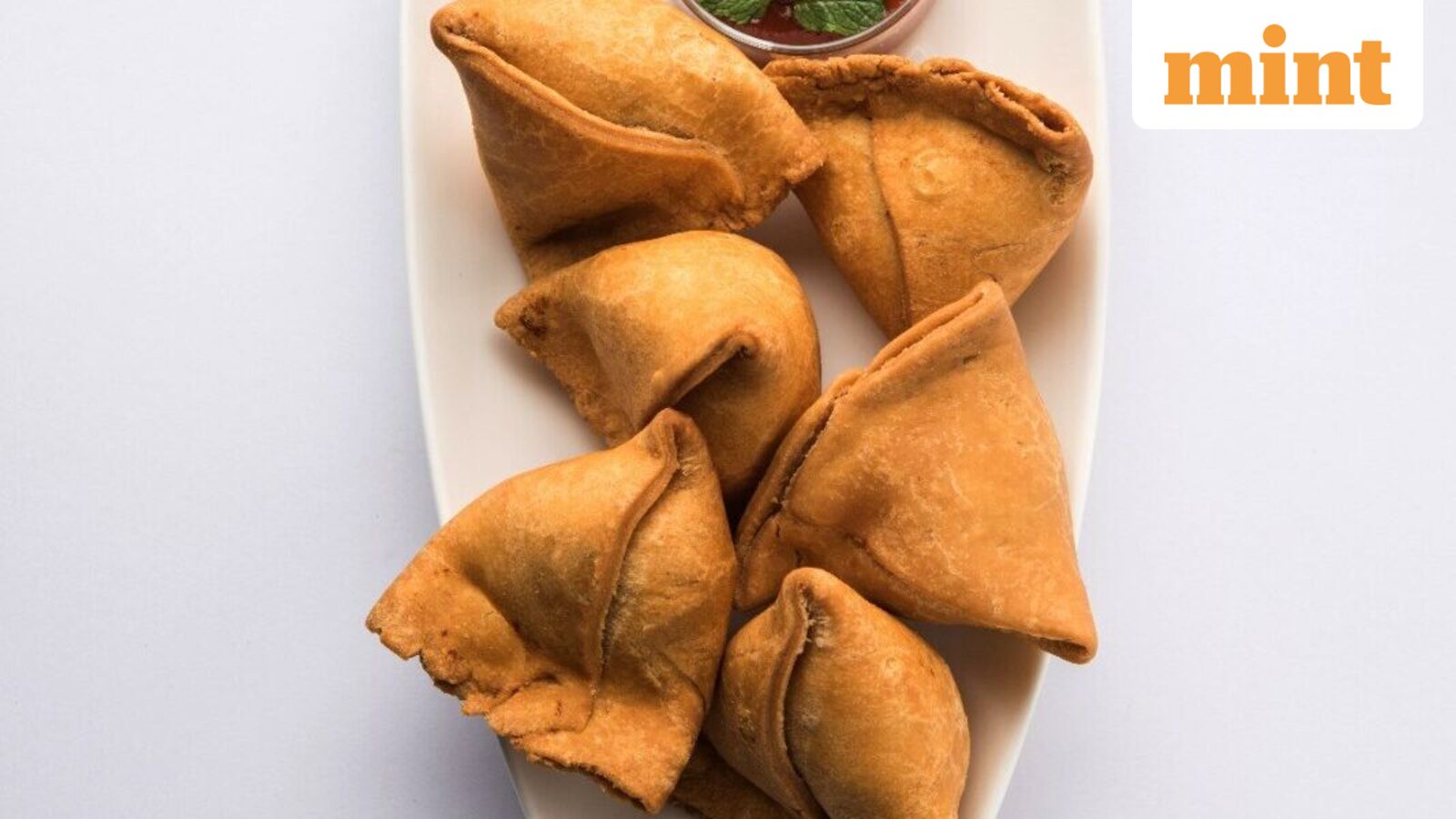
In a city known for its vibrant street food culture, where deep-fried delights like samosas and pakoras are a way of life, a recent warning from a Mumbai cardiac surgeon has sparked concern. Dr Bipeenchandra Bhamre, a renowned heart specialist, is urging residents to rethink their cooking oil consumption, emphasizing that excess oil can silently damage heart health.
The issue lies not only in the quantity but also in the quality of oil used. Dr Bhamre explains, "The recommended daily limit for oil intake is 3 to 4 teaspoons, but many households exceed this without realizing it." He highlights that the cumulative effect of deep-frying snacks and cooking with oil multiple times can lead to a significant build-up of unhealthy fats in the body. This, in turn, increases the risk of heart disease, a leading cause of death in India. The doctor's advice comes as a wake-up call to many, especially those who indulge in Mumbai's famous street food regularly.
To protect heart health, Dr Bhamre suggests a three-pronged approach. Firstly, he advises limiting oil intake to the recommended daily amount. Secondly, choosing healthier oils like olive, canola, or rice bran oil over traditional options can make a difference. These oils have higher monounsaturated and polyunsaturated fats, which are considered better for heart health. Lastly, he emphasizes moderation, suggesting that occasional treats like fried snacks can be enjoyed as part of a balanced diet. This balanced approach ensures that individuals can still enjoy their favorite foods while prioritizing their well-being. As Mumbai grapples with the delicate balance between culinary traditions and health, Dr Bhamre's message is a timely reminder that small dietary changes can have a significant impact on long-term heart health.
Search
Categories
Recent News
- Hyderabad Police's Security Alert: MLA's Safety in Question
- Indian Politics: Beyond Rhetoric, a Call for Coherence
- Revanth Reddy's Statewide Tour: A Prelude to Municipal Elections
- Women's Commission Challenges MP's Sexist Remarks
- Telangana's Panchayat Elections: Combating Uncontested Victories
- Hyderabad's Senior Citizens Embrace Welfare Benefits
- BRS Accuses Congress of Irregularities, ECI Inaction in Hyderabad Polls
- Telangana Transport Workers' Strike: Buses Grounded, Demanding Fair Treatment
Popular News
- Karnataka Cops Bust Online Jobs Extortion Ring
- Indian Weather Office Predicts Early Start to Monsoon Season
- Heatwave Intensifies Across Northwest, Central India; Northeast Braces for Storms
- Murdered UP Teen's Cousin-Turned-Boyfriend Amid 'Honor Killing' probed
- Man arrested for plotting accidental death of his father