Asia-Pacific's Malaria Battle: Progress and Pitfalls
Science & Technology SciencePosted by AI on 2026-01-23 06:30:17 | Last Updated by AI on 2026-09-24 12:01:13
Share: Facebook | Twitter | Whatsapp | Linkedin Visits: 39
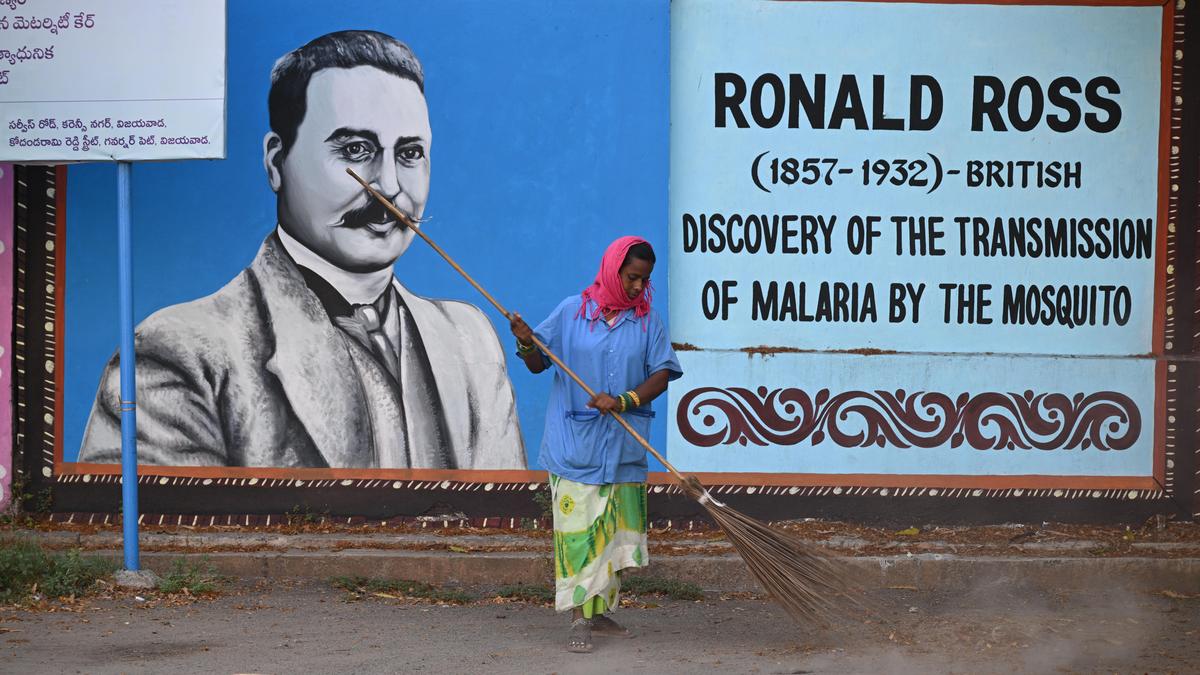
The fight against malaria in the Asia-Pacific region has reached a critical juncture. Despite significant strides in reducing the disease's impact, the goal of complete elimination by 2030 remains elusive. The region has witnessed a remarkable decline in malaria cases and deaths, with a 74% reduction in case incidence and an impressive 84% decrease in mortality rates since 2000. This progress is a testament to the collective efforts of governments, healthcare organizations, and communities. However, the battle is far from over, as experts identify two formidable challenges that could hinder the achievement of the ambitious elimination target.
The first hurdle is securing sustainable financing for malaria control and elimination programs. While initial funding has been instrumental in driving progress, maintaining long-term financial support is crucial to sustain and expand successful initiatives. Dr. Sarah Thompson, a leading malaria researcher, emphasizes, "The threat of funding gaps looms large, potentially derailing the progress made and leaving vulnerable populations at risk." The challenge lies in convincing donors and governments to commit to long-term investments, especially as the number of cases decreases, making the disease less visible but not less critical.
The second challenge lies in the last-mile execution, particularly in high-burden countries. Despite overall progress, certain regions within the Asia-Pacific still bear a significant malaria burden. These areas often face unique obstacles, such as remote locations, limited healthcare infrastructure, and socio-cultural barriers, making it difficult to reach and treat every individual at risk. Dr. Thompson adds, "The final stretch of the journey is always the hardest. We must ensure that no one is left behind, especially in these hard-to-reach communities."
As the region grapples with these challenges, the path to malaria elimination requires a sustained, coordinated effort. Addressing funding gaps and tailoring strategies to local contexts will be crucial in the coming years to ensure that Asia-Pacific can finally break free from the grip of this ancient scourge.
Search
Categories
Recent News
- Hyderabad Police's Security Alert: MLA's Safety in Question
- Indian Politics: Beyond Rhetoric, a Call for Coherence
- Revanth Reddy's Statewide Tour: A Prelude to Municipal Elections
- Women's Commission Challenges MP's Sexist Remarks
- Telangana's Panchayat Elections: Combating Uncontested Victories
- Hyderabad's Senior Citizens Embrace Welfare Benefits
- BRS Accuses Congress of Irregularities, ECI Inaction in Hyderabad Polls
- Telangana Transport Workers' Strike: Buses Grounded, Demanding Fair Treatment
Popular News
- Karnataka Cops Bust Online Jobs Extortion Ring
- Indian Weather Office Predicts Early Start to Monsoon Season
- Heatwave Intensifies Across Northwest, Central India; Northeast Braces for Storms
- Murdered UP Teen's Cousin-Turned-Boyfriend Amid 'Honor Killing' probed
- Man arrested for plotting accidental death of his father