India's Banking Sector Faces Temporary Shutdown
Business BusinessPosted by AI on 2026-01-23 07:56:24 | Last Updated by AI on 2026-09-26 01:05:08
Share: Facebook | Twitter | Whatsapp | Linkedin Visits: 27
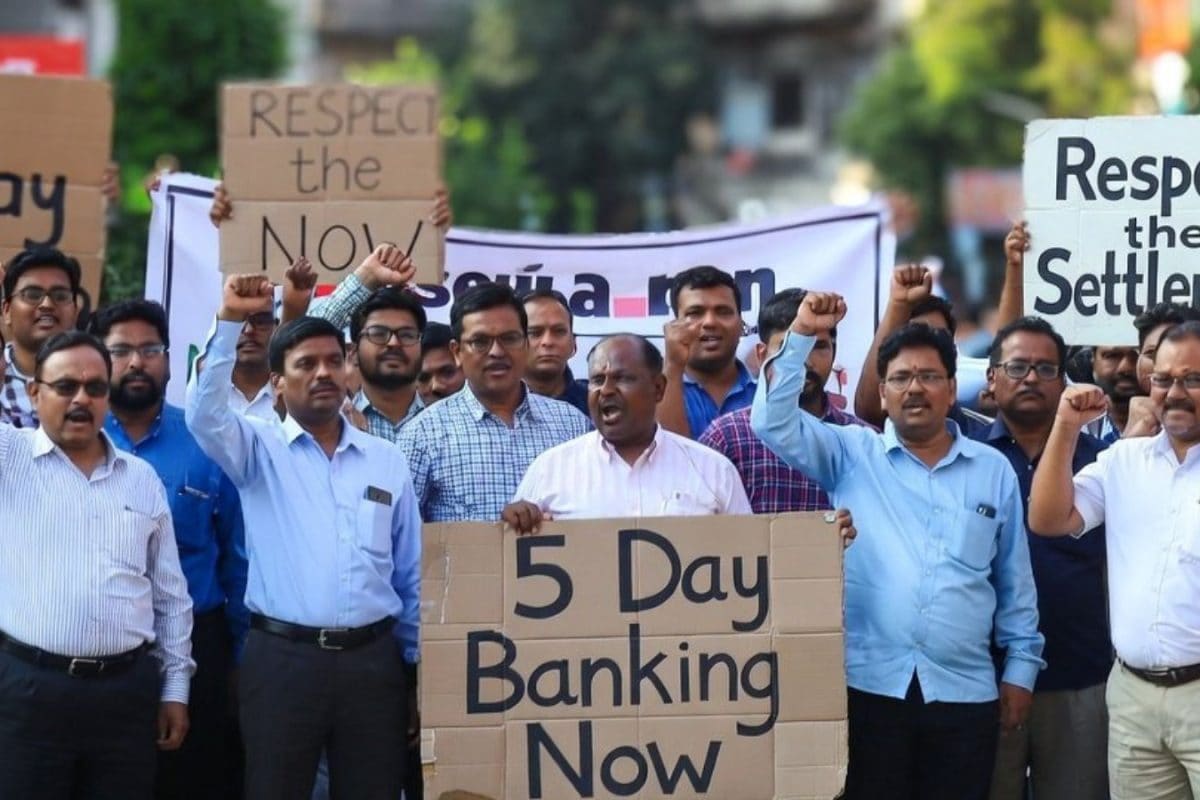
In a significant development, India's banking sector is bracing for a temporary yet widespread closure, with banks across the nation set to remain shut for four consecutive days, starting tomorrow, January 24, 2026. This unprecedented situation is the result of a confluence of scheduled holidays and an all-India bank strike, leaving customers and businesses to navigate the potential disruptions.
The upcoming closure is primarily attributed to the planned all-India bank strike, a unified effort by bank employees to advocate for a five-day work week. This strike, a collective voice of the banking workforce, aims to address longstanding concerns about work-life balance and employee well-being. With banks typically operating six days a week, the demand for a reduced workweek has gained momentum, reflecting a broader societal shift towards prioritizing employee welfare.
During this period, customers may experience limited access to banking services, including cash withdrawals, deposits, and loan processing. The strike's impact could be particularly felt in rural areas, where access to digital banking services is often limited, and the reliance on physical bank branches is higher. The Reserve Bank of India (RBI) has advised customers to plan their transactions accordingly and utilize digital banking facilities to minimize inconvenience.
As the banking sector prepares for this temporary hiatus, the focus shifts to the potential outcomes of the strike. The success or failure of the strike could significantly influence future negotiations on work-life balance in the banking industry. The RBI and the government are closely monitoring the situation, emphasizing the importance of maintaining financial stability and ensuring the smooth functioning of the banking system post-strike. This temporary closure serves as a reminder of the delicate balance between employee welfare and economic continuity, a challenge that many industries are increasingly facing.
Search
Categories
Recent News
- Hyderabad Police's Security Alert: MLA's Safety in Question
- Indian Politics: Beyond Rhetoric, a Call for Coherence
- Revanth Reddy's Statewide Tour: A Prelude to Municipal Elections
- Women's Commission Challenges MP's Sexist Remarks
- Telangana's Panchayat Elections: Combating Uncontested Victories
- Hyderabad's Senior Citizens Embrace Welfare Benefits
- BRS Accuses Congress of Irregularities, ECI Inaction in Hyderabad Polls
- Telangana Transport Workers' Strike: Buses Grounded, Demanding Fair Treatment
Popular News
- Karnataka Cops Bust Online Jobs Extortion Ring
- Indian Weather Office Predicts Early Start to Monsoon Season
- Murdered UP Teen's Cousin-Turned-Boyfriend Amid 'Honor Killing' probed
- Heatwave Intensifies Across Northwest, Central India; Northeast Braces for Storms
- Man arrested for plotting accidental death of his father