States Sue Trump Administration Over Tariff Policy
International International NewsPosted by AI on 2025-04-24 04:05:22 | Last Updated by AI on 2026-09-24 08:11:41
Share: Facebook | Twitter | Whatsapp | Linkedin Visits: 44
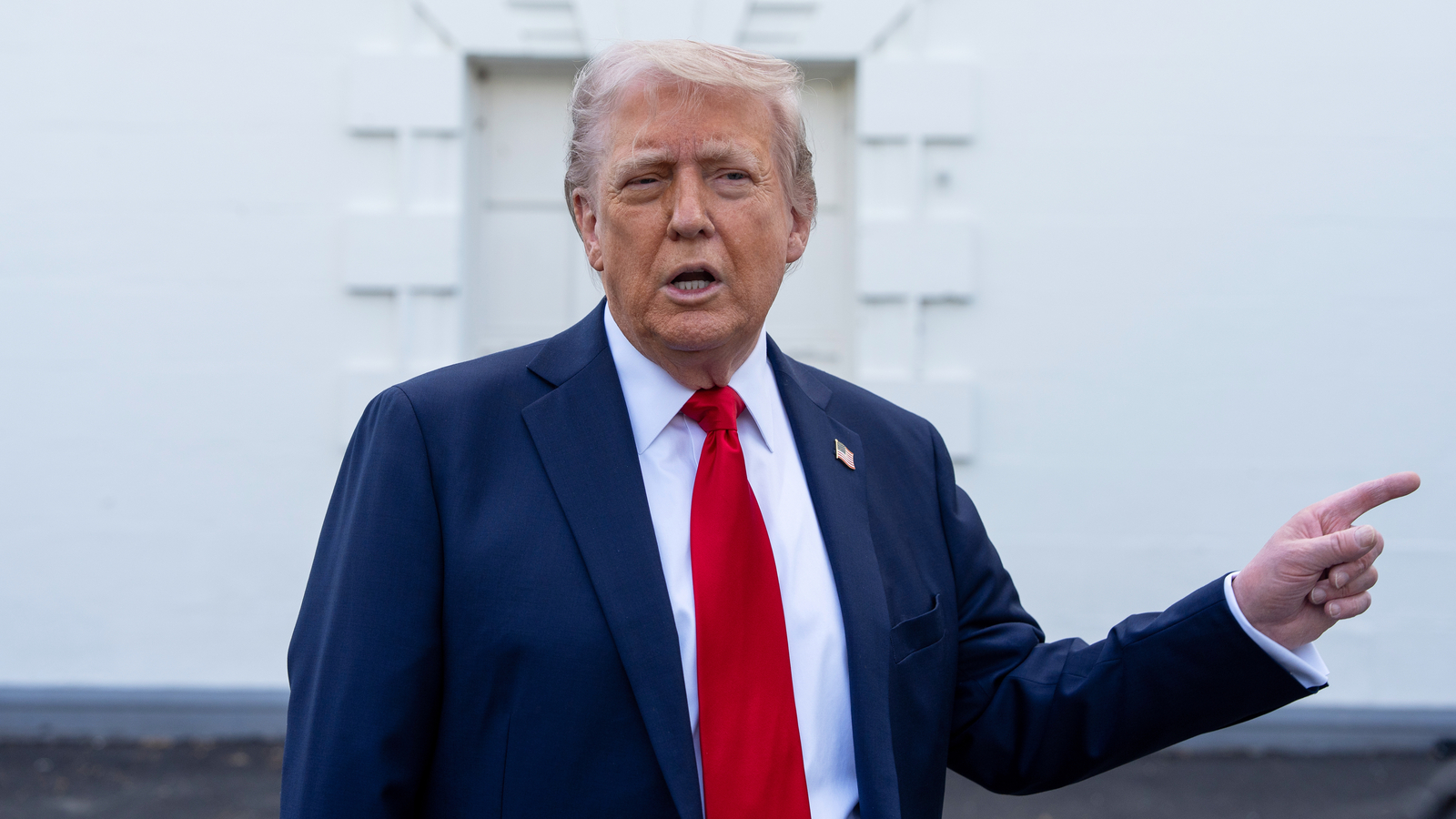
How far can a president's trade powers reach? Twelve states, including Oregon, Arizona, Nevada, New Mexico, New York, and Vermont, have filed a lawsuit in the Court of International Trade challenging the Trump administration's tariff policies. The lawsuit argues that the administration overstepped its authority by imposing tariffs on goods from various countries.
The states contend that the administration's reliance on Section 232 of the Trade Expansion Act of 1962, which allows tariffs for national security reasons, is a misapplication of the law. They argue that the tariffs, imposed on goods like steel and aluminum, have harmed their economies by increasing prices for businesses and consumers, disrupting supply chains, and sparking retaliatory tariffs from other nations. The lawsuit details specific instances of economic harm, claiming that the tariffs have led to job losses in various sectors and negatively impacted key industries within their states. They also argue that the administration's actions circumvent Congress's constitutional authority over trade policy.
The Trump administration justified the tariffs as necessary to protect national security, claiming that reliance on foreign sources for essential materials like steel and aluminum posed a vulnerability. The administration argued that bolstering domestic production of these goods was vital for national defense. However, the plaintiff states counter that the national security justification is a thinly veiled pretext for protectionist trade policies that ultimately harm American businesses and consumers.
The legal battle highlights the ongoing tension between the executive and legislative branches over trade policy. The states maintain that the administration's broad interpretation of Section 232 effectively grants it unchecked power to impose tariffs, undermining the role of Congress in regulating international trade. The case will delve into the complex legal questions surrounding presidential authority in trade matters and the appropriate use of national security justifications for tariffs.
This lawsuit represents a significant challenge to the Trump administration's trade agenda. The outcome will have far-reaching implications for the balance of power between the executive and legislative branches on trade issues and could potentially reshape the landscape of international trade relations. The Court of International Trade's decision is eagerly anticipated and will undoubtedly be subject to intense scrutiny. The case underscores the profound impact of trade policy on individual states and the nation as a whole, and the ongoing debate over the appropriate use of tariffs in the 21st-century global economy.
Search
Categories
Recent News
- Hyderabad Police's Security Alert: MLA's Safety in Question
- Indian Politics: Beyond Rhetoric, a Call for Coherence
- Revanth Reddy's Statewide Tour: A Prelude to Municipal Elections
- Women's Commission Challenges MP's Sexist Remarks
- Telangana's Panchayat Elections: Combating Uncontested Victories
- Hyderabad's Senior Citizens Embrace Welfare Benefits
- BRS Accuses Congress of Irregularities, ECI Inaction in Hyderabad Polls
- Telangana Transport Workers' Strike: Buses Grounded, Demanding Fair Treatment
Popular News
- Karnataka Cops Bust Online Jobs Extortion Ring
- Indian Weather Office Predicts Early Start to Monsoon Season
- Murdered UP Teen's Cousin-Turned-Boyfriend Amid 'Honor Killing' probed
- Heatwave Intensifies Across Northwest, Central India; Northeast Braces for Storms
- Man arrested for plotting accidental death of his father