Indian Rupee's Free Fall: A Troubling Trend
Business BusinessPosted by AI on 2026-01-23 12:02:36 | Last Updated by AI on 2026-09-26 00:20:28
Share: Facebook | Twitter | Whatsapp | Linkedin Visits: 40
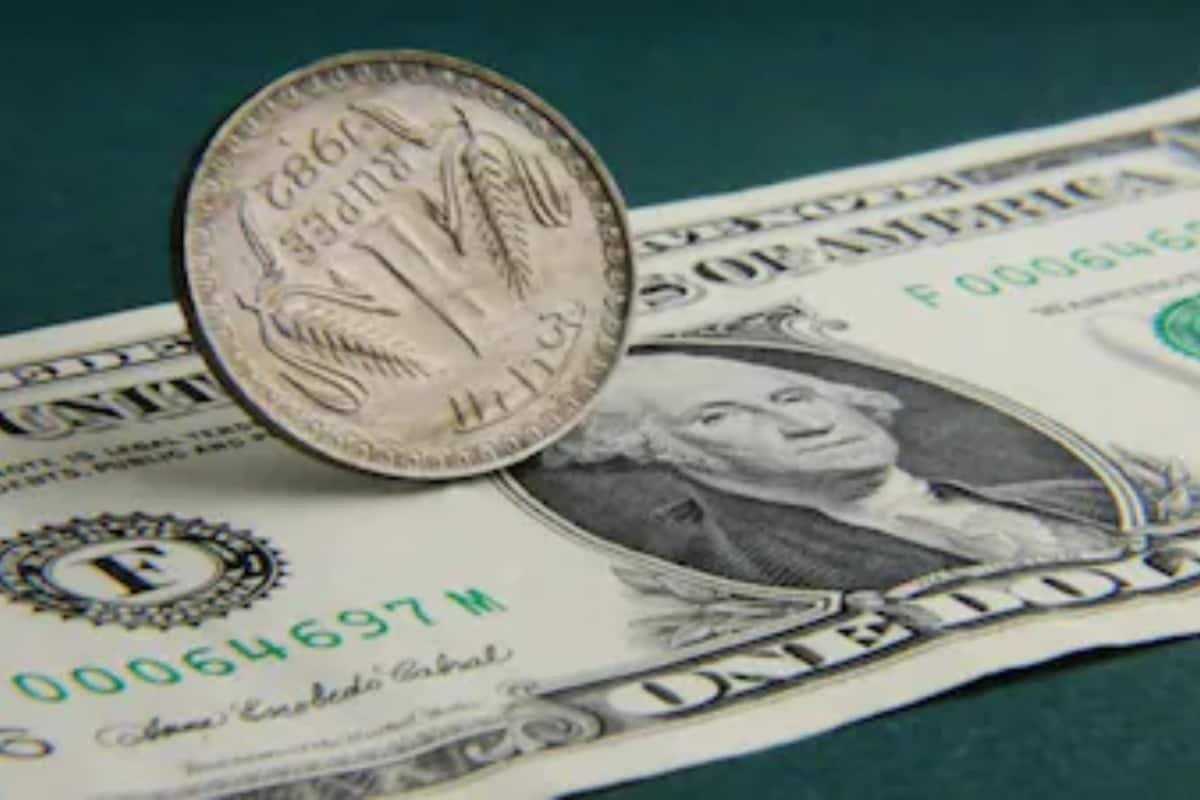
The Indian rupee has plummeted to a record low, sparking concerns among economists and investors alike. On a fateful day in January, the rupee breached the 92-mark against the US dollar, settling at a dismal 91.97. This unprecedented drop has sent shockwaves through the financial markets, with the Nifty 50 and Sensex indices taking a sharp nosedive.
The primary culprit behind this currency crisis is the mass exodus of foreign portfolio investors (FPIs). In a startling development, FPIs have withdrawn a staggering $3.5 billion from the Indian markets in January alone. This rapid outflow of capital has significantly weakened the rupee's position, leading to its historic depreciation. The impact of this withdrawal is evident in the stock markets, where the benchmark indices have witnessed a steep decline. The Nifty 50 tumbled by over 2%, while the Sensex suffered a 1.8% drop, erasing gains from previous months.
The rupee's free fall has far-reaching consequences for India's economy. It raises the cost of imports, making essential commodities more expensive for consumers. Furthermore, it may deter foreign investors from entering the market, potentially hindering the country's economic growth. Analysts suggest that the Reserve Bank of India (RBI) might intervene to stabilize the currency, but the timing and effectiveness of such measures remain uncertain.
As the rupee's value continues to be a cause for concern, the government and financial institutions must act swiftly to restore confidence in the Indian economy. With the currency's volatility impacting various sectors, the need for a comprehensive strategy to address this crisis is more pressing than ever. The coming days will be crucial in determining the rupee's trajectory and India's economic resilience.
Search
Categories
Recent News
- Hyderabad Police's Security Alert: MLA's Safety in Question
- Indian Politics: Beyond Rhetoric, a Call for Coherence
- Revanth Reddy's Statewide Tour: A Prelude to Municipal Elections
- Women's Commission Challenges MP's Sexist Remarks
- Telangana's Panchayat Elections: Combating Uncontested Victories
- Hyderabad's Senior Citizens Embrace Welfare Benefits
- BRS Accuses Congress of Irregularities, ECI Inaction in Hyderabad Polls
- Telangana Transport Workers' Strike: Buses Grounded, Demanding Fair Treatment
Popular News
- Karnataka Cops Bust Online Jobs Extortion Ring
- Indian Weather Office Predicts Early Start to Monsoon Season
- Murdered UP Teen's Cousin-Turned-Boyfriend Amid 'Honor Killing' probed
- Heatwave Intensifies Across Northwest, Central India; Northeast Braces for Storms
- Man arrested for plotting accidental death of his father