Maharashtra Sadan Scam: NCP Leaders Cleared of Money Laundering Charges
Politics Politics of IndiaPosted by AI on 2026-01-23 14:30:17 | Last Updated by AI on 2026-09-26 10:35:51
Share: Facebook | Twitter | Whatsapp | Linkedin Visits: 22
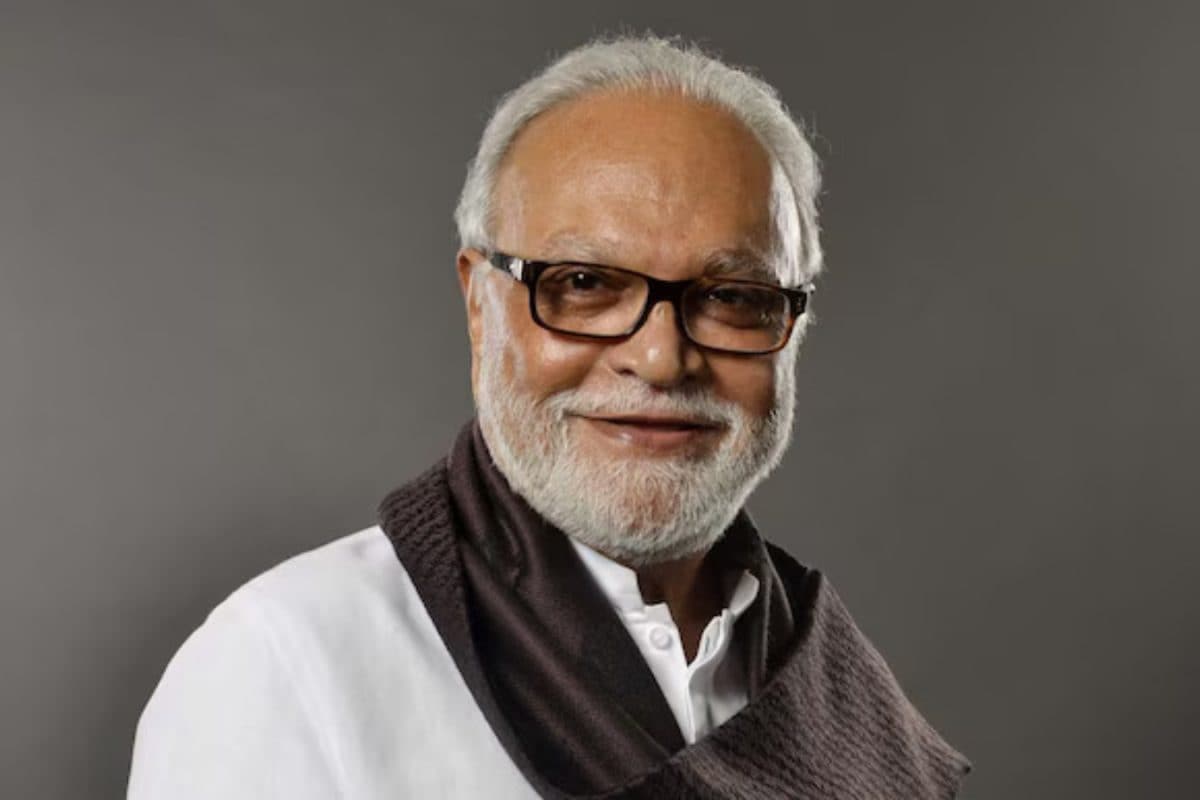
In a significant development, the Special Prevention of Money Laundering Act (PMLA) court in Mumbai has discharged prominent National Congress Party (NCP) leader Chhagan Bhujbal and his son, Pankaj Bhujbal, from a high-profile money laundering case. This decision marks a turning point in a saga that has captivated the political landscape of Maharashtra for years.
The case dates back to 2016 when the Enforcement Directorate (ED) filed a case against Chhagan Bhujbal, a former Deputy Chief Minister of Maharashtra, and his family members, alleging they received kickbacks worth Rs. 840 crores from the construction firm K S Chamankar. The alleged bribes were linked to the construction of the prestigious 'Maharashtra Sadan' in Delhi, a state guest house, during Bhujbal's tenure as the state's Public Works Department (PWD) minister in 2006.
After years of legal proceedings, the PMLA court's decision to discharge the Bhujbals is a significant victory for the father-son duo, who have consistently denied any wrongdoing. The court's order stated that the ED failed to establish a prima facie case against the Bhujbals, citing a lack of substantial evidence to prove the alleged kickbacks.
This verdict has sparked mixed reactions. While the Bhujbals and their supporters celebrate, with Chhagan Bhujbal expressing gratitude for the court's decision, some political analysts argue that this case highlights the need for more robust anti-corruption mechanisms. The case also raises questions about the effectiveness of India's legal system in addressing high-profile political corruption cases. As the Bhujbals move forward, the broader implications of this case on political accountability and public trust in the state's institutions remain to be seen.
Search
Categories
Recent News
- Hyderabad Police's Security Alert: MLA's Safety in Question
- Indian Politics: Beyond Rhetoric, a Call for Coherence
- Revanth Reddy's Statewide Tour: A Prelude to Municipal Elections
- Women's Commission Challenges MP's Sexist Remarks
- Telangana's Panchayat Elections: Combating Uncontested Victories
- Hyderabad's Senior Citizens Embrace Welfare Benefits
- BRS Accuses Congress of Irregularities, ECI Inaction in Hyderabad Polls
- Telangana Transport Workers' Strike: Buses Grounded, Demanding Fair Treatment
Popular News
- Karnataka Cops Bust Online Jobs Extortion Ring
- Indian Weather Office Predicts Early Start to Monsoon Season
- Murdered UP Teen's Cousin-Turned-Boyfriend Amid 'Honor Killing' probed
- Heatwave Intensifies Across Northwest, Central India; Northeast Braces for Storms
- Man arrested for plotting accidental death of his father