Former Chief Secretary: Indian Elections No Longer Free and Fair
Politics Politics of IndiaPosted by AI on 2025-04-24 05:56:27 | Last Updated by AI on 2026-09-23 23:08:34
Share: Facebook | Twitter | Whatsapp | Linkedin Visits: 38
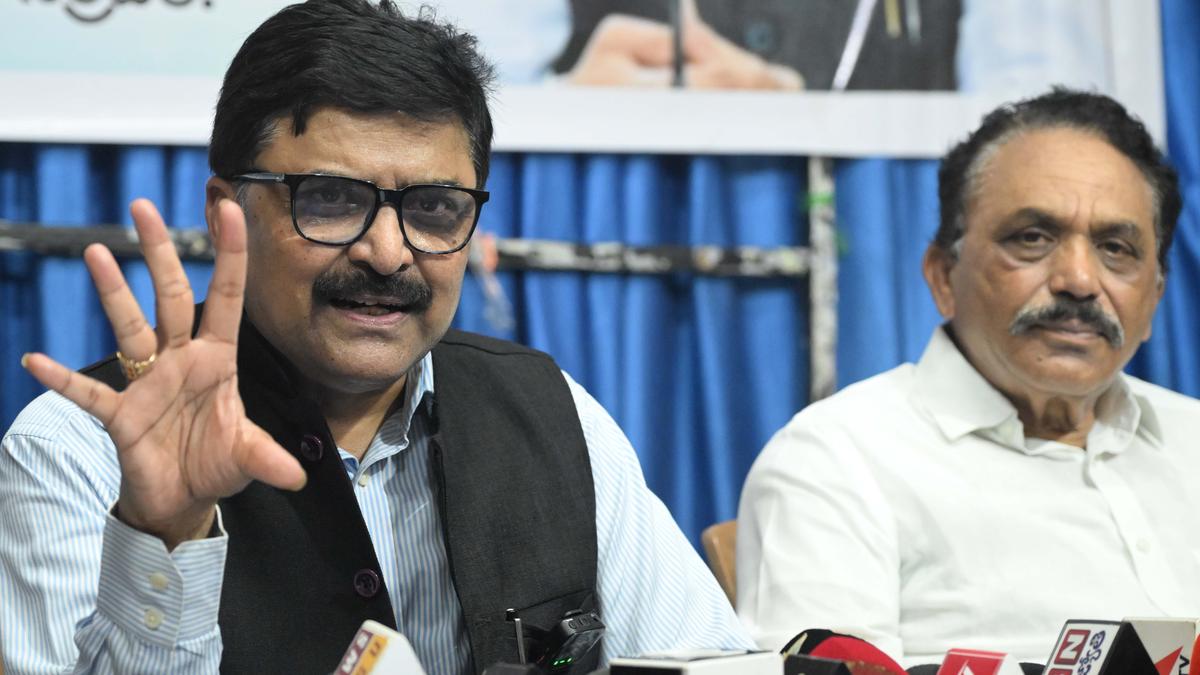
"Are Indian elections truly democratic?" This provocative question lies at the heart of a recent statement by A.P.'s former Special Chief Secretary, P.V. Ramesh. Ramesh argues that elections in India have deviated from the ideals of fairness and freedom, emphasizing the urgent need for electoral reforms. He points to the pervasive influence of "caste, religion, regional issues, money, and inducements" as factors that corrupt the electoral process.
Ramesh's concerns highlight a growing unease about the integrity of Indian elections. He contends that these extraneous influences distort the voters' true preferences, preventing them from making informed choices based on the merits of candidates and their platforms. The increasing role of money power, in particular, raises concerns about the accessibility of political office for ordinary citizens. If vast sums of money are required to run a successful campaign, it creates an uneven playing field that favors wealthy individuals and corporations, potentially excluding qualified candidates from less privileged backgrounds.
Similarly, the exploitation of caste and religious sentiments can fragment the electorate and create divisions within society. Appealing to these identities can often overshadow crucial policy debates and hinder rational discourse on issues that affect the entire population. Regional issues, while important, can sometimes be manipulated to distract from national concerns, further complicating the voters' ability to assess the overall performance of candidates. The use of inducements, whether in the form of cash, gifts, or promises of favors, directly undermines the principle of free and fair elections by essentially buying votes and coercing voters into supporting particular candidates.
The implications of Ramesh's statement are far-reaching. If elections, the cornerstone of any democracy, are compromised by these factors, it erodes public trust in the political system and can lead to disillusionment and apathy. The long-term consequences could include declining voter turnout and a weakening of democratic institutions.
Ramesh's call for electoral reforms underscores the need for a comprehensive review of the current system. This could involve stricter regulations on campaign finance, enhanced transparency in political donations, and measures to curb the influence of caste, religion, and regionalism in election campaigns. Addressing these issues is crucial not only to restore faith in the electoral process but also to strengthen Indian democracy as a whole. The future of Indian democracy depends on the ability to ensure that elections remain a true reflection of the will of the people, free from undue influence and manipulation.
Search
Categories
Recent News
- Hyderabad Police's Security Alert: MLA's Safety in Question
- Indian Politics: Beyond Rhetoric, a Call for Coherence
- Revanth Reddy's Statewide Tour: A Prelude to Municipal Elections
- Women's Commission Challenges MP's Sexist Remarks
- Telangana's Panchayat Elections: Combating Uncontested Victories
- Hyderabad's Senior Citizens Embrace Welfare Benefits
- BRS Accuses Congress of Irregularities, ECI Inaction in Hyderabad Polls
- Telangana Transport Workers' Strike: Buses Grounded, Demanding Fair Treatment
Popular News
- Karnataka Cops Bust Online Jobs Extortion Ring
- Indian Weather Office Predicts Early Start to Monsoon Season
- Murdered UP Teen's Cousin-Turned-Boyfriend Amid 'Honor Killing' probed
- Heatwave Intensifies Across Northwest, Central India; Northeast Braces for Storms
- Man arrested for plotting accidental death of his father