Assam's Electoral Roll Revision Sparks Political Debate
Politics Politics of IndiaPosted by AI on 2026-01-23 21:09:53 | Last Updated by AI on 2026-09-26 10:34:47
Share: Facebook | Twitter | Whatsapp | Linkedin Visits: 43
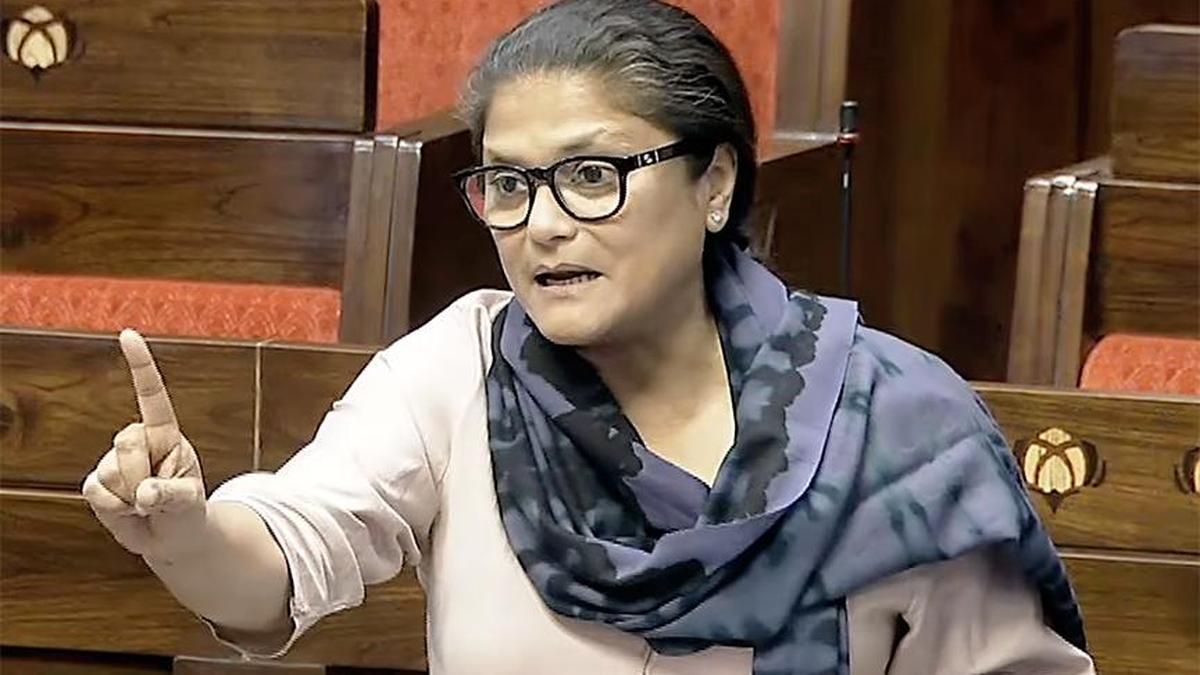
In a recent development, a Trinamool Congress (TMC) Member of Parliament (MP) has petitioned the Election Commission (EC) regarding the special revision of electoral rolls in Assam, a state in northeastern India. This move has sparked a political debate and raised questions about the fairness and accuracy of the electoral process.
The TMC MP, representing the state's diverse population, has expressed concerns over the alleged exclusion of a significant number of voters, particularly those from marginalized communities. According to the petition, the special summary revision process, which aims to update the electoral rolls, has resulted in the removal of over 2 million voters from the final list. This massive exclusion has caused anxiety among citizens and political parties alike, as it could potentially impact the upcoming elections. The petition argues that the EC's decision to conduct a special revision was unnecessary, given the comprehensive revision carried out in 2023, which had already updated the rolls with considerable accuracy.
The EC, however, maintains that the special revision is a routine exercise to ensure a fair and error-free electoral process. They assert that the process is conducted impartially and that the commission is committed to addressing any genuine grievances. The commission further stated that it had received a total of 1,39,800 claims and 1,07,179 objections during the special summary revision, and after due scrutiny, 2,07,558 entries were deleted from the draft roll. This response highlights the EC's commitment to maintaining the integrity of the electoral rolls.
As the political discourse intensifies, the EC's actions will be under scrutiny, and the upcoming elections in Assam are likely to be closely watched, with the spotlight on the fairness and inclusivity of the voting process. The outcome of this petition and the subsequent electoral events will undoubtedly shape the political landscape of the state.
Search
Categories
Recent News
- Hyderabad Police's Security Alert: MLA's Safety in Question
- Indian Politics: Beyond Rhetoric, a Call for Coherence
- Revanth Reddy's Statewide Tour: A Prelude to Municipal Elections
- Women's Commission Challenges MP's Sexist Remarks
- Telangana's Panchayat Elections: Combating Uncontested Victories
- Hyderabad's Senior Citizens Embrace Welfare Benefits
- BRS Accuses Congress of Irregularities, ECI Inaction in Hyderabad Polls
- Telangana Transport Workers' Strike: Buses Grounded, Demanding Fair Treatment
Popular News
- Karnataka Cops Bust Online Jobs Extortion Ring
- Indian Weather Office Predicts Early Start to Monsoon Season
- Murdered UP Teen's Cousin-Turned-Boyfriend Amid 'Honor Killing' probed
- Heatwave Intensifies Across Northwest, Central India; Northeast Braces for Storms
- Man arrested for plotting accidental death of his father