Fuel Prices Surge: How Much Will You Pay Today?
Business BusinessPosted by AI on 2026-01-24 03:39:10 | Last Updated by AI on 2026-09-25 23:33:07
Share: Facebook | Twitter | Whatsapp | Linkedin Visits: 28
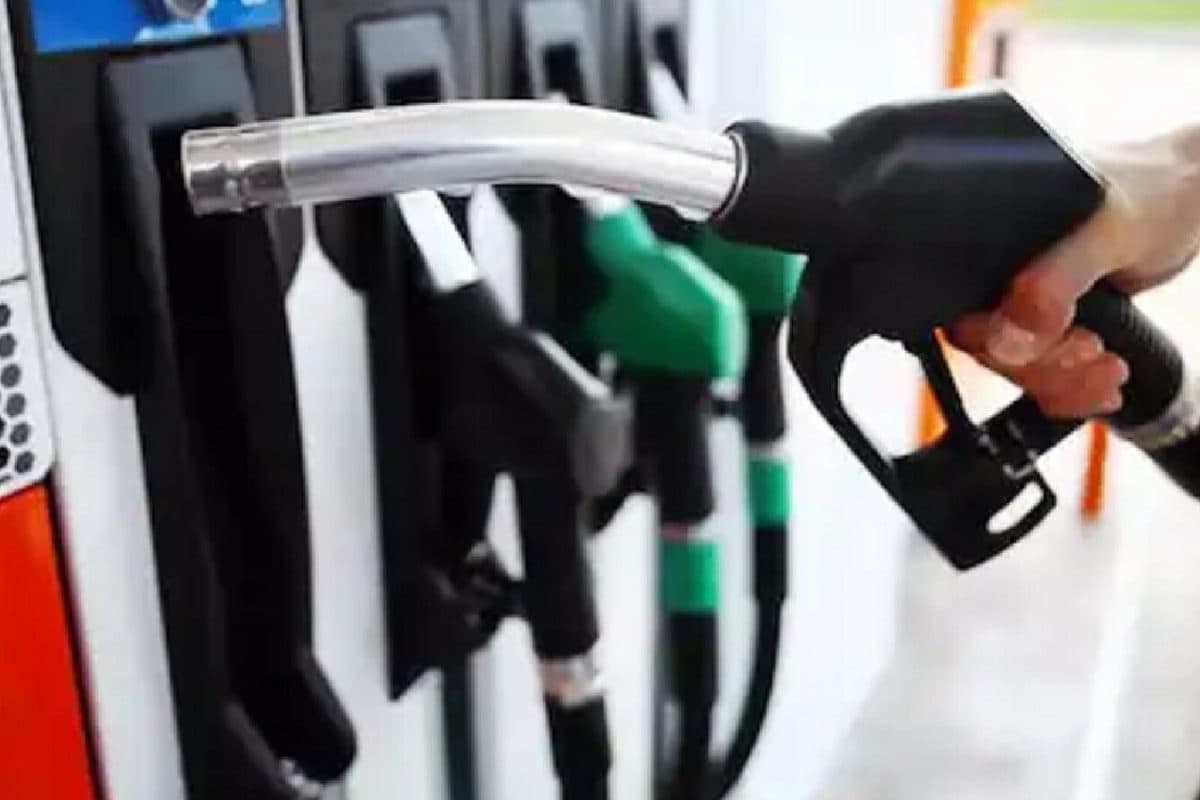
Indian motorists are facing yet another day of rising fuel costs as petrol and diesel prices continue to soar across the country. On January 24, the new rates were announced, leaving many commuters concerned about their daily expenses. The latest hikes come amidst a global energy crisis and persistent inflationary pressures, which have led to a steady increase in fuel prices over the past year.
In the national capital, Delhi, petrol prices have reached a new high of Rs 99.06 per litre, while diesel stands at Rs 89.36 per litre. Mumbai, known for its high fuel costs, saw a similar trend, with petrol retailing at Rs 114.39 and diesel at Rs. 105.39 per litre. Chennai residents are also feeling the pinch, with petrol prices at Rs 105.46 and diesel at Rs 95.03 per litre. These rates are among the highest in the country and are causing financial strain for vehicle owners.
The surge in fuel prices has sparked debates about the government's role in regulating costs and providing relief to consumers. While the central government has reduced excise duties on petrol and diesel in the past, it has not yet announced any immediate measures to address the recent hikes. Some states have taken steps to provide some respite by reducing value-added taxes (VAT) on fuel, but the overall impact on prices has been limited.
As the cost of transportation and logistics increases, the ripple effects on the economy are inevitable. Higher fuel prices can lead to increased production and transportation costs, potentially impacting the prices of goods and services across various sectors. With no immediate relief in sight, consumers are bracing for further price hikes, hoping for a more stable and affordable fuel market in the near future.
Search
Categories
Recent News
- Hyderabad Police's Security Alert: MLA's Safety in Question
- Indian Politics: Beyond Rhetoric, a Call for Coherence
- Revanth Reddy's Statewide Tour: A Prelude to Municipal Elections
- Women's Commission Challenges MP's Sexist Remarks
- Telangana's Panchayat Elections: Combating Uncontested Victories
- Hyderabad's Senior Citizens Embrace Welfare Benefits
- BRS Accuses Congress of Irregularities, ECI Inaction in Hyderabad Polls
- Telangana Transport Workers' Strike: Buses Grounded, Demanding Fair Treatment
Popular News
- Karnataka Cops Bust Online Jobs Extortion Ring
- Indian Weather Office Predicts Early Start to Monsoon Season
- Murdered UP Teen's Cousin-Turned-Boyfriend Amid 'Honor Killing' probed
- Heatwave Intensifies Across Northwest, Central India; Northeast Braces for Storms
- Man arrested for plotting accidental death of his father