Kehlani Dropped from Cornell Concert After Student Backlash
International International NewsPosted by AI on 2025-04-24 07:28:52 | Last Updated by AI on 2026-09-24 08:53:28
Share: Facebook | Twitter | Whatsapp | Linkedin Visits: 43
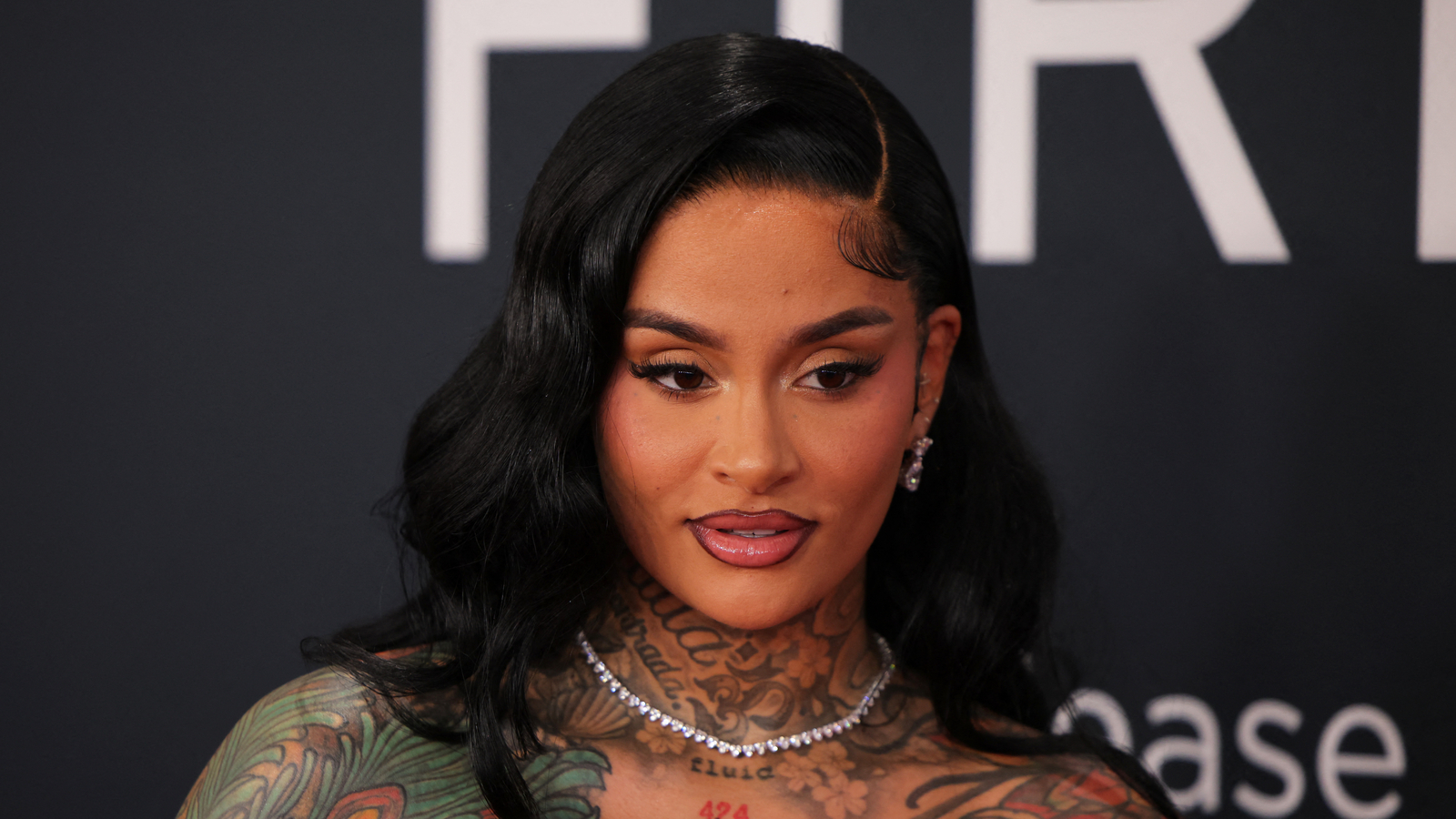
"Long live the Intifada." These are the opening words of Kehlani's music video for "Drama," a collaboration with Jessie Reyez, and the phrase has resurfaced amidst controversy surrounding the singer's upcoming performance at Cornell University. Now, that performance, initially scheduled as the university's Slope Day end-of-year concert, has been canceled following what the university describes as "grave concerns" from students.
Kehlani, a Grammy-nominated R&B artist known for hits like "Gangsta" and "Distraction," has faced accusations of antisemitism in the past. While the "Drama" video, released in 2017, does not explicitly mention Israel or Palestine, the phrase "Long live the Intifada" is often associated with Palestinian uprisings against Israeli occupation. This has led some students to interpret the phrase as an endorsement of violence, fueling existing concerns stemming from Kehlani's previous social media activity. Although the specific details of the student complaints haven't been publicly disclosed by Cornell, the university's decision suggests a significant level of concern regarding the artist's perceived political stance and its potential impact on the campus community.
The cancellation has sparked a debate on social media and within the Cornell community. Some students have expressed disappointment over the loss of a popular artist for their end-of-year celebration, while others have voiced support for the university's decision, citing the importance of considering the impact of an artist's views on the student body. This situation highlights the increasing scrutiny placed on artists' public statements and political affiliations, especially in the context of university-sponsored events. It also underscores the complex challenge universities face in balancing freedom of expression with the need to create a welcoming and inclusive environment for all students. The tension between these two principles is at the heart of this controversy, leaving many questioning where the line should be drawn.
The Cornell University Programming Board, responsible for organizing Slope Day, has not yet announced a replacement act. The broader implications of this cancellation, however, extend beyond a single concert. It raises questions about the role of student activism in shaping university decisions and the increasing pressure on institutions to respond to concerns about potentially divisive figures. This incident serves as a reminder of the ongoing conversation surrounding the intersection of art, politics, and social responsibility, particularly within academic settings. As universities continue to grapple with these issues, the debate over who gets a platform and what messages are amplified will undoubtedly persist.
Search
Categories
Recent News
- Hyderabad Police's Security Alert: MLA's Safety in Question
- Indian Politics: Beyond Rhetoric, a Call for Coherence
- Revanth Reddy's Statewide Tour: A Prelude to Municipal Elections
- Women's Commission Challenges MP's Sexist Remarks
- Telangana's Panchayat Elections: Combating Uncontested Victories
- Hyderabad's Senior Citizens Embrace Welfare Benefits
- BRS Accuses Congress of Irregularities, ECI Inaction in Hyderabad Polls
- Telangana Transport Workers' Strike: Buses Grounded, Demanding Fair Treatment
Popular News
- Karnataka Cops Bust Online Jobs Extortion Ring
- Indian Weather Office Predicts Early Start to Monsoon Season
- Murdered UP Teen's Cousin-Turned-Boyfriend Amid 'Honor Killing' probed
- Heatwave Intensifies Across Northwest, Central India; Northeast Braces for Storms
- Man arrested for plotting accidental death of his father