Ex-Speaker Denounces Governors' Political Bias in State Governance
Politics Politics of IndiaPosted by AI on 2026-01-24 08:51:15 | Last Updated by AI on 2026-09-26 09:49:00
Share: Facebook | Twitter | Whatsapp | Linkedin Visits: 27
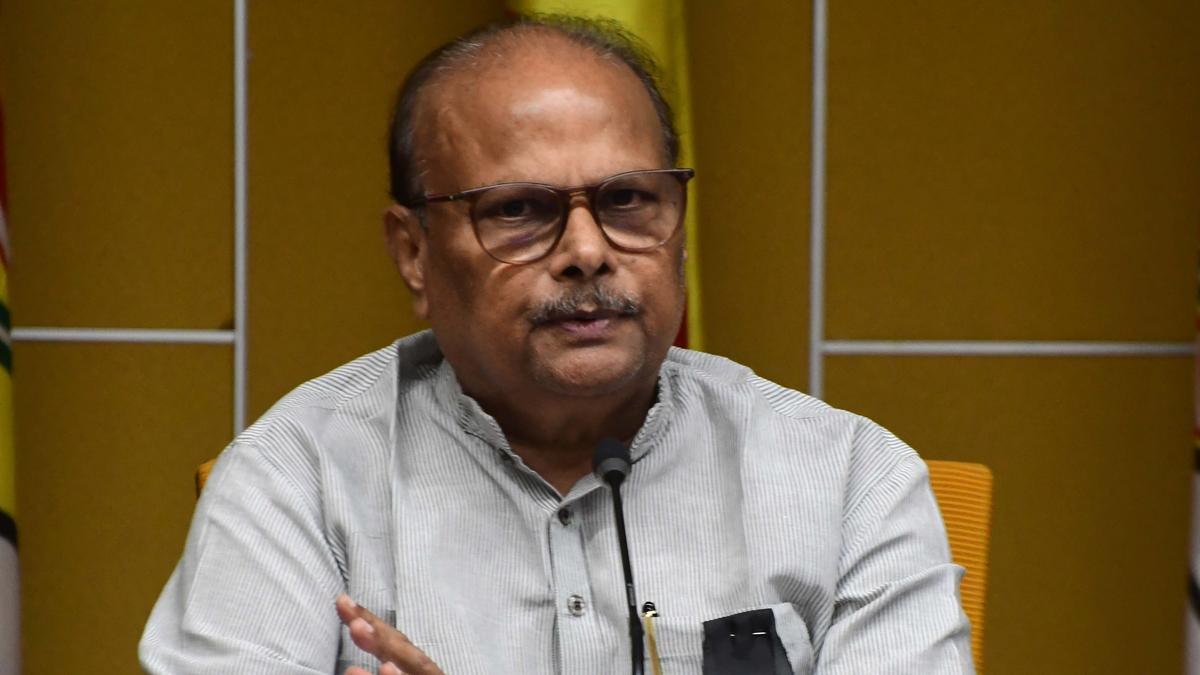
In a recent statement, former Speaker Yanamala Ramakrishnudu has criticized the political bias exhibited by governors in their treatment of state governments. Ramakrishnudu, a seasoned politician, asserts that such partiality is unconstitutional and undemocratic, setting a dangerous precedent for governance in India.
The ex-speaker's remarks come at a time when the role of governors in Indian politics is under scrutiny. Governors, appointed by the President on the advice of the central government, are often accused of favoring the ruling party at the center, leading to allegations of political interference in state affairs. Ramakrishnudu's statement highlights the growing concern over the potential abuse of power and the erosion of federal principles.
"The Constitution does not condone this undemocratic behavior, which differs from one state to another," Ramakrishnudu said, emphasizing the importance of maintaining a neutral and impartial stance. He further elaborated that governors, as representatives of the President, should uphold the principles of democracy and federalism, ensuring that state governments function without bias or favoritism. This constitutional obligation, he argued, is essential for the healthy functioning of India's diverse and decentralized political system.
The issue of gubernatorial impartiality has sparked debates among legal experts and politicians alike. While some argue that governors have historically played a more ceremonial role, others believe that their powers should be more clearly defined to prevent political exploitation. As the discussion gains momentum, it remains to be seen whether this will lead to a reevaluation of the governor's role or prompt amendments to ensure a more balanced and democratic governance system. The public's demand for transparency and accountability in governance is likely to keep this topic in the spotlight.
Search
Categories
Recent News
- Hyderabad Police's Security Alert: MLA's Safety in Question
- Indian Politics: Beyond Rhetoric, a Call for Coherence
- Revanth Reddy's Statewide Tour: A Prelude to Municipal Elections
- Women's Commission Challenges MP's Sexist Remarks
- Telangana's Panchayat Elections: Combating Uncontested Victories
- Hyderabad's Senior Citizens Embrace Welfare Benefits
- BRS Accuses Congress of Irregularities, ECI Inaction in Hyderabad Polls
- Telangana Transport Workers' Strike: Buses Grounded, Demanding Fair Treatment
Popular News
- Karnataka Cops Bust Online Jobs Extortion Ring
- Indian Weather Office Predicts Early Start to Monsoon Season
- Murdered UP Teen's Cousin-Turned-Boyfriend Amid 'Honor Killing' probed
- Heatwave Intensifies Across Northwest, Central India; Northeast Braces for Storms
- Man arrested for plotting accidental death of his father