Mamata Demands Proactive Approach After Murshidabad Violence
Politics Politics of IndiaPosted by AI on 2025-04-24 07:34:02 | Last Updated by AI on 2026-09-23 23:09:38
Share: Facebook | Twitter | Whatsapp | Linkedin Visits: 433
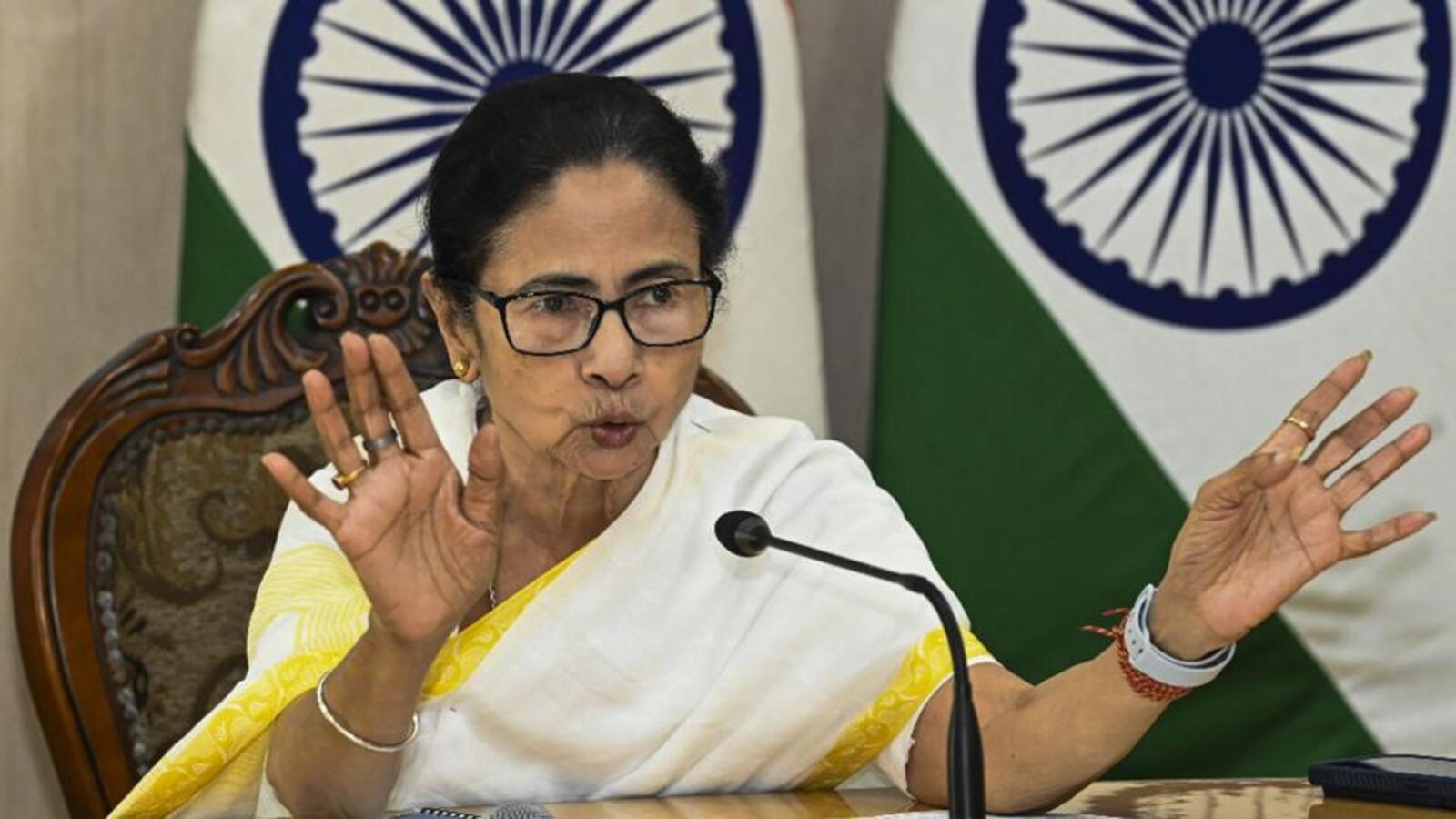
"Could this have been prevented?" This is the question echoing in West Bengal after recent violence erupted in Murshidabad district. Chief Minister Mamata Banerjee has directly addressed her cabinet, demanding ministers take a more proactive, on-the-ground approach to prevent such incidents from escalating. Banerjee pointedly criticized the performance of Trinamool Congress (TMC) legislators and Members of Parliament, arguing their insufficient involvement allowed the situation to spiral out of control.
The Chief Minister's sharp rebuke underscores the gravity of the Murshidabad incident. While details surrounding the specific events remain somewhat unclear, Banerjee's emphasis on preventative action suggests a failure of local representation to address simmering tensions before they boiled over into violence. The incident has exposed a potential gap between the state government's authority and its effective presence at the grassroots level. This disconnect has prompted a direct call for greater accountability from elected officials within the ruling TMC party.
Banerjee's directive to her ministers emphasizes a shift towards a more hands-on approach to governance. She expects ministers to be more visible and engaged in their constituencies, actively working to identify and mitigate potential conflicts before they escalate. This signifies a move beyond reactive responses to crises, emphasizing proactive engagement and community-level problem-solving. It also highlights the crucial role of local representatives in maintaining peace and stability.
This call for increased vigilance comes at a crucial time for the state. The Murshidabad violence serves as a stark reminder of the fragility of peace and the importance of constant engagement to prevent escalating tensions. The Chief Minister's response underscores the need for a more robust and responsive system of governance, one that is deeply rooted in local communities and capable of addressing conflicts before they erupt into violence. The effectiveness of this new directive will depend on the ministers' commitment to grassroots engagement and their ability to translate the Chief Minister's words into tangible action.
The Chief Ministers strong reaction indicates that the Murshidabad incident is considered a significant political and administrative lapse. The focus now shifts to the practical implementation of Banerjees directive. The coming weeks will reveal whether this new emphasis on proactive engagement translates into a tangible improvement in on-the-ground responsiveness and ultimately helps prevent future outbreaks of violence. The long-term impact of this incident, and the governments response, will likely shape the political landscape of the state in the months and years to come.
Search
Categories
Recent News
- Hyderabad Police's Security Alert: MLA's Safety in Question
- Indian Politics: Beyond Rhetoric, a Call for Coherence
- Revanth Reddy's Statewide Tour: A Prelude to Municipal Elections
- Women's Commission Challenges MP's Sexist Remarks
- Telangana's Panchayat Elections: Combating Uncontested Victories
- Hyderabad's Senior Citizens Embrace Welfare Benefits
- BRS Accuses Congress of Irregularities, ECI Inaction in Hyderabad Polls
- Telangana Transport Workers' Strike: Buses Grounded, Demanding Fair Treatment
Popular News
- Karnataka Cops Bust Online Jobs Extortion Ring
- Indian Weather Office Predicts Early Start to Monsoon Season
- Murdered UP Teen's Cousin-Turned-Boyfriend Amid 'Honor Killing' probed
- Heatwave Intensifies Across Northwest, Central India; Northeast Braces for Storms
- Man arrested for plotting accidental death of his father