Young India's Devotional Groove: PM Modi's Spotlight on Bhajan Clubbing
Politics Politics of IndiaPosted by AI on 2026-01-25 07:16:47 | Last Updated by AI on 2026-09-26 08:20:09
Share: Facebook | Twitter | Whatsapp | Linkedin Visits: 27
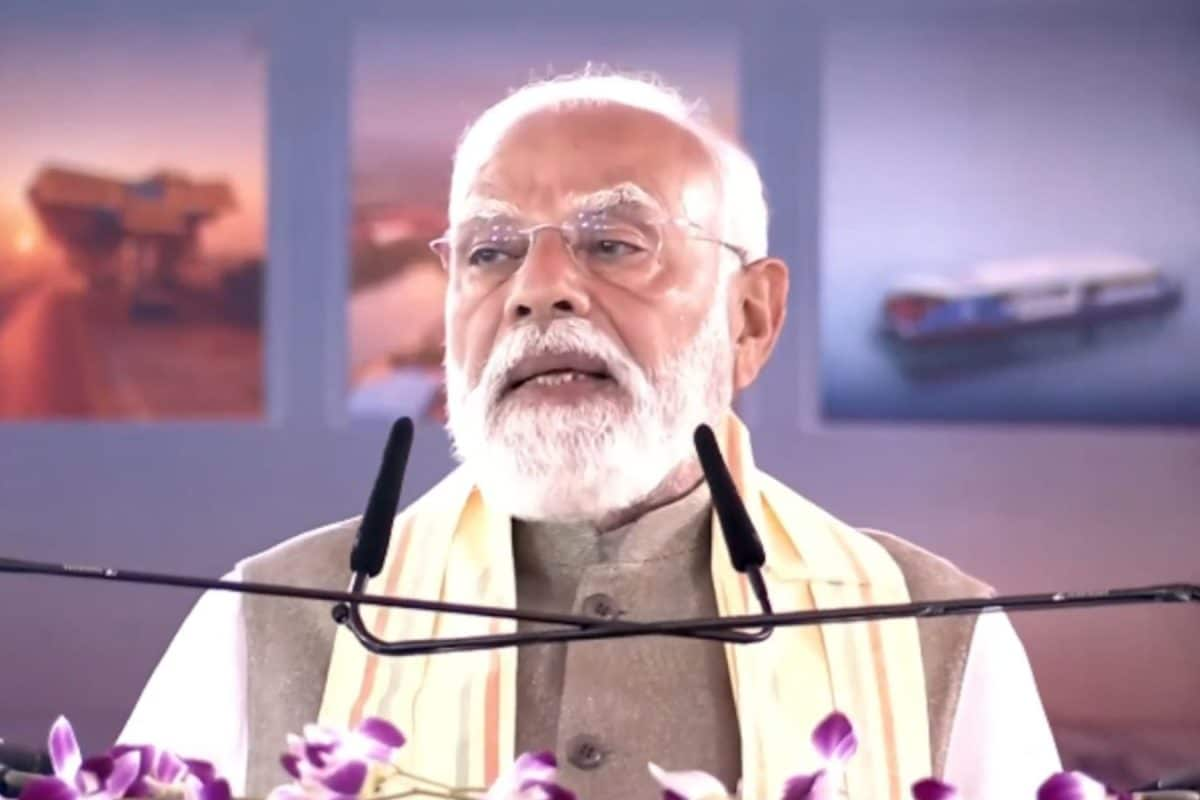
In his recent Mann Ki Baat address, Prime Minister Narendra Modi shed light on a captivating trend that has been resonating across the nation, particularly among the youth. "Bhajan clubbing," as it is popularly known, is not just a musical gathering; it's a cultural phenomenon that blends spirituality with community engagement.
The concept is simple yet powerful: young people, often in their hundreds, come together in public spaces, armed with musical instruments and voices, to sing bhajans, or devotional songs. These events, organized through social media, have become a platform for fostering community bonds and a sense of collective identity. What's remarkable is the enthusiasm and dedication of the participants, many of whom are in their teens and twenties. They are not just singing; they are immersing themselves in a cultural and spiritual experience, often standing for hours, their voices blending in unison. This trend is not confined to any particular region or language; it transcends boundaries, with bhajan clubbing events reported in various parts of the country, from urban centers like Delhi and Mumbai to smaller towns and villages.
PM Modi's acknowledgment of this trend is significant. It underscores the government's recognition of the importance of cultural and spiritual practices, especially when they are embraced by the younger generation. This modern twist on traditional devotional singing is not just a passing fad but a powerful tool for community building and cultural preservation. As the bhajan clubbing movement continues to grow, it will be fascinating to see how it evolves and what new forms of cultural expression it inspires, potentially shaping the future of community engagement and spiritual practices in India.
Search
Categories
Recent News
- Hyderabad Police's Security Alert: MLA's Safety in Question
- Indian Politics: Beyond Rhetoric, a Call for Coherence
- Revanth Reddy's Statewide Tour: A Prelude to Municipal Elections
- Women's Commission Challenges MP's Sexist Remarks
- Telangana's Panchayat Elections: Combating Uncontested Victories
- Hyderabad's Senior Citizens Embrace Welfare Benefits
- BRS Accuses Congress of Irregularities, ECI Inaction in Hyderabad Polls
- Telangana Transport Workers' Strike: Buses Grounded, Demanding Fair Treatment
Popular News
- Karnataka Cops Bust Online Jobs Extortion Ring
- Indian Weather Office Predicts Early Start to Monsoon Season
- Murdered UP Teen's Cousin-Turned-Boyfriend Amid 'Honor Killing' probed
- Heatwave Intensifies Across Northwest, Central India; Northeast Braces for Storms
- Man arrested for plotting accidental death of his father