CM Orders Squad to Oversee Charitable Hospitals
Politics Politics of IndiaPosted by AI on 2025-04-24 09:29:51 | Last Updated by AI on 2026-09-23 23:51:38
Share: Facebook | Twitter | Whatsapp | Linkedin Visits: 55
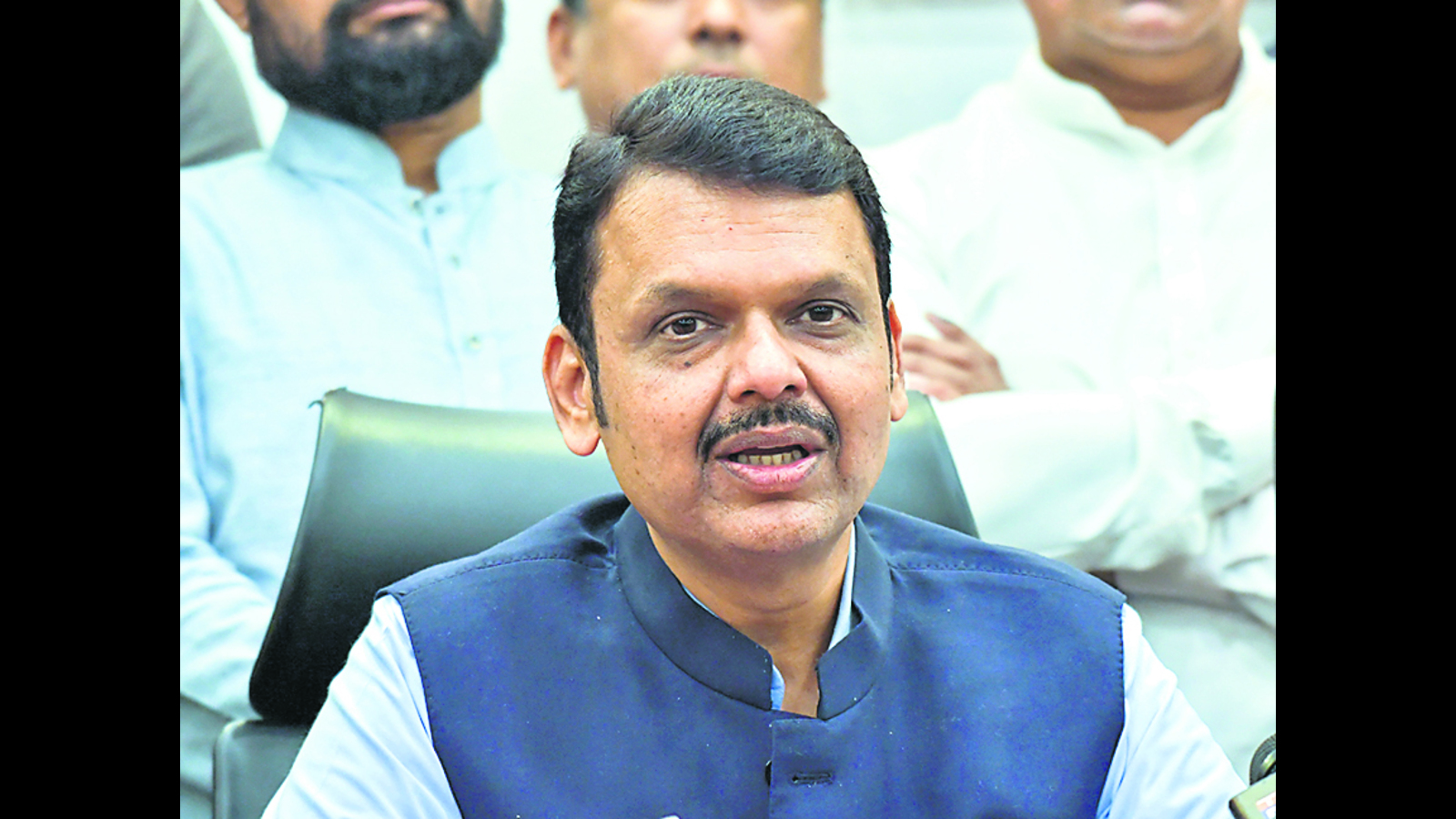
Could a preventable tragedy have spurred much-needed change in healthcare oversight? Following the heartbreaking death of Tanisha Bhise, a pregnant woman allegedly denied treatment at Pune's Dinanath Mangeshkar charitable hospital due to her inability to pay a substantial deposit, the Chief Minister (CM) has ordered the formation of a specialized squad to monitor charitable hospitals. This decisive action aims to ensure such a devastating incident is never repeated and that these institutions uphold their intended purpose of serving the community, especially the vulnerable.
The case of Tanisha Bhise has sent shockwaves through the state, raising serious questions about the accessibility and affordability of healthcare, particularly for those from economically disadvantaged backgrounds. Charitable hospitals, often the only recourse for such individuals, are expected to operate on principles of philanthropy and service, offering medical care regardless of a patient's financial status. The allegations against Dinanath Mangeshkar hospital, a prominent institution bearing the name of a revered figure, have sparked public outrage and fueled demands for accountability. The CM's swift response, ordering the formation of a monitoring squad, underscores the gravity of the situation and the government's commitment to addressing systemic issues within the charitable healthcare sector.
This newly formed squad will be tasked with regularly inspecting charitable hospitals across the state, scrutinizing their financial practices, and ensuring adherence to regulations regarding patient care. Their mandate will include verifying that hospitals are not demanding exorbitant deposits or denying treatment based on a patient's inability to pay. They will also investigate whether hospitals are genuinely providing free or subsidized treatment to the economically weaker sections, as mandated by their charitable status. The squad's formation represents a significant step towards increased transparency and accountability in the charitable healthcare sector, potentially preventing similar tragedies in the future.
The incident has also ignited a broader debate on the ethical obligations of charitable institutions and the need for stringent government oversight to prevent their exploitation for profit. While private hospitals operate under different financial models, charitable hospitals receive various benefits, including tax exemptions and government subsidies, precisely because of their social welfare mission. This demands a higher level of ethical conduct and a strict adherence to their charitable objectives. The squads oversight will help ensure these hospitals are not deviating from their core mission and exploiting vulnerable patients during their most critical times of need. The CM's action signals a clear message: charitable hospitals must prioritize patient well-being over profit, and the government will actively enforce this principle.
The effectiveness of this newly formed squad will depend on its composition, powers, and the rigor with which it carries out its responsibilities. It remains to be seen how the squads findings will be implemented and what penalties will be imposed on hospitals found in violation of regulations. However, the initiative marks a critical first step in addressing a deeply concerning issue within the healthcare system and provides a glimmer of hope for improved access to quality care for all, irrespective of their economic status. The incident serves as a stark reminder of the fragility of a system where access to essential healthcare can be compromised by financial constraints, and the urgent need for continued efforts to ensure equitable healthcare for all citizens.
Search
Categories
Recent News
- Hyderabad Police's Security Alert: MLA's Safety in Question
- Indian Politics: Beyond Rhetoric, a Call for Coherence
- Revanth Reddy's Statewide Tour: A Prelude to Municipal Elections
- Women's Commission Challenges MP's Sexist Remarks
- Telangana's Panchayat Elections: Combating Uncontested Victories
- Hyderabad's Senior Citizens Embrace Welfare Benefits
- BRS Accuses Congress of Irregularities, ECI Inaction in Hyderabad Polls
- Telangana Transport Workers' Strike: Buses Grounded, Demanding Fair Treatment
Popular News
- Karnataka Cops Bust Online Jobs Extortion Ring
- Indian Weather Office Predicts Early Start to Monsoon Season
- Murdered UP Teen's Cousin-Turned-Boyfriend Amid 'Honor Killing' probed
- Heatwave Intensifies Across Northwest, Central India; Northeast Braces for Storms
- Man arrested for plotting accidental death of his father