Canada's Trade Retaliation: No Free Deal With China
International International NewsPosted by AI on 2026-01-26 03:30:34 | Last Updated by AI on 2026-08-22 11:40:53
Share: Facebook | Twitter | Whatsapp | Linkedin Visits: 40
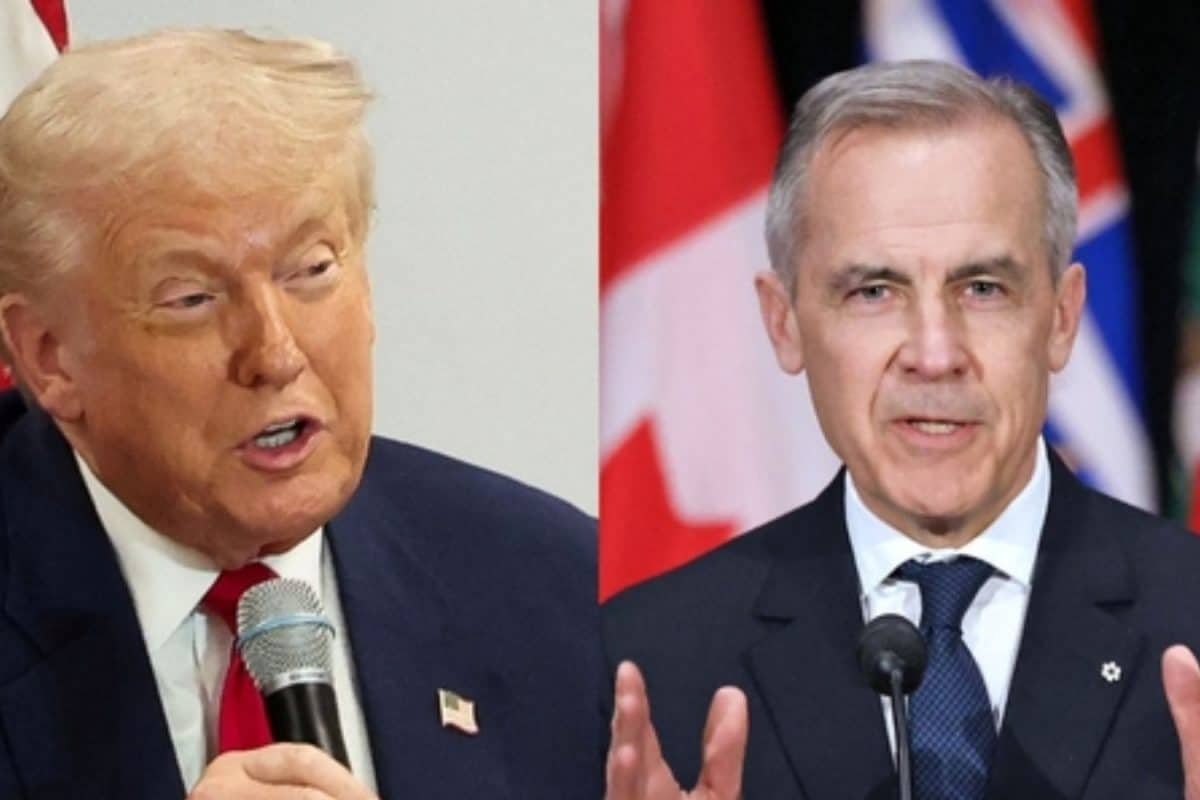
In a bold move, Canada's Prime Minister Mark Carney has decided to take a stand against the recent tariff threats from the United States. After President Donald Trump's aggressive trade policies, including a proposed 100% tariff on Canadian goods, the Canadian government is now reevaluating its own trade strategies.
Carney's statement has sent a clear message to the international community, especially China, with whom Canada has been exploring the possibility of a free trade agreement. The Prime Minister's office confirmed that the decision to halt any potential trade negotiations with China is a direct response to Trump's tariffs. This move showcases Canada's willingness to protect its economic interests and its ability to adapt to the ever-changing global trade landscape.
The Canadian government's decision is a significant shift in its trade policy, as it has been actively seeking to diversify its trade partnerships beyond the United States. With the North American Free Trade Agreement (NAFTA) under renegotiation, Canada has been exploring alternative markets to ensure its economic stability. However, Trump's recent actions have prompted a reevaluation of Canada's approach, emphasizing the need for a more cautious and strategic trade policy.
As a result, Canada's trade relations with both the US and China are at a crossroads. The government's next steps will be crucial in determining the country's economic future. Will Canada find a way to navigate these trade tensions and secure beneficial agreements? The world watches as this trade drama unfolds, with potential implications for global markets and international relations.
Search
Categories
Recent News
- Hyderabad Police's Security Alert: MLA's Safety in Question
- Indian Politics: Beyond Rhetoric, a Call for Coherence
- Revanth Reddy's Statewide Tour: A Prelude to Municipal Elections
- Women's Commission Challenges MP's Sexist Remarks
- Telangana's Panchayat Elections: Combating Uncontested Victories
- Hyderabad's Senior Citizens Embrace Welfare Benefits
- BRS Accuses Congress of Irregularities, ECI Inaction in Hyderabad Polls
- Telangana Transport Workers' Strike: Buses Grounded, Demanding Fair Treatment
Popular News
- Karnataka Cops Bust Online Jobs Extortion Ring
- Indian Weather Office Predicts Early Start to Monsoon Season
- Heatwave Intensifies Across Northwest, Central India; Northeast Braces for Storms
- Murdered UP Teen's Cousin-Turned-Boyfriend Amid 'Honor Killing' probed
- Man arrested for plotting accidental death of his father