India's Auto Industry Gears Up for a Major Trade Shift
Business BusinessPosted by AI on 2026-01-26 03:47:28 | Last Updated by AI on 2026-09-25 21:17:56
Share: Facebook | Twitter | Whatsapp | Linkedin Visits: 19
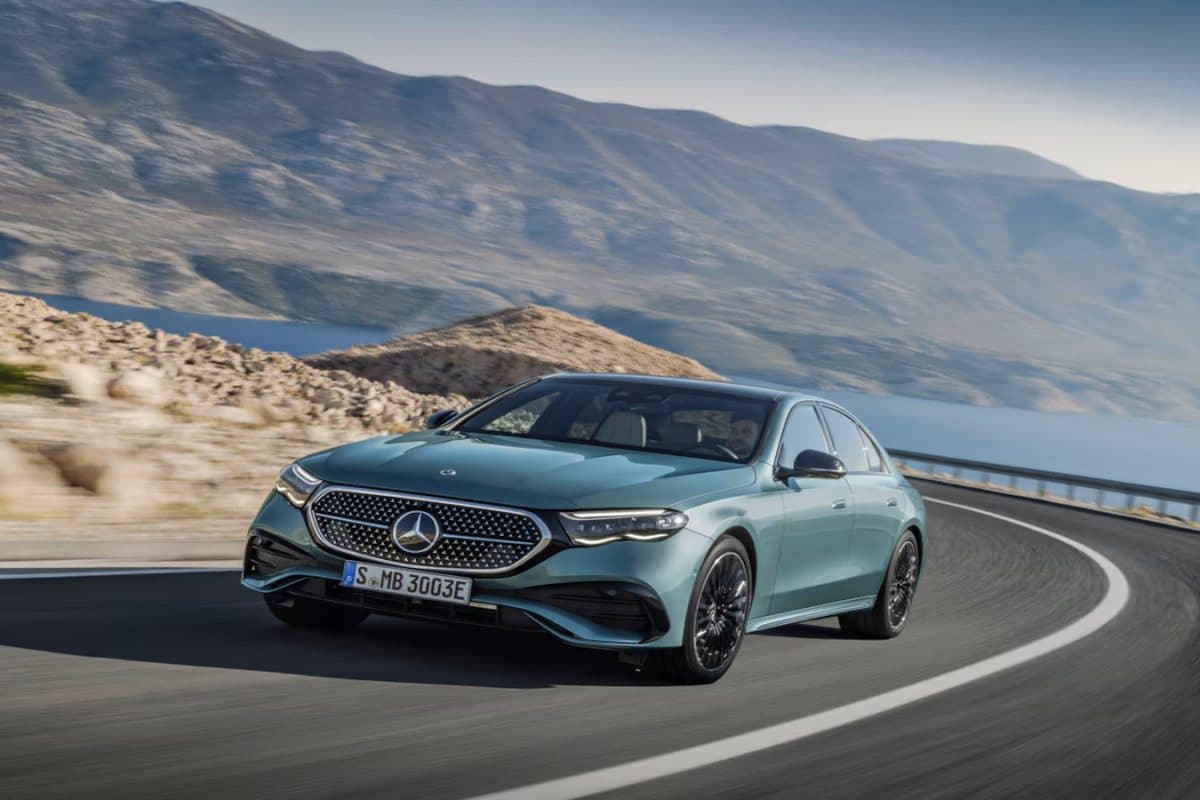
In a significant move, India is reportedly preparing to reduce import tariffs on European cars, a decision that could reshape the country's automotive landscape. This proposed tariff cut, from a steep 110% to a more manageable 40%, is part of an impending trade deal with the European Union (EU). The move is expected to have far-reaching implications for both Indian consumers and the domestic automotive industry.
The current high tariffs have long been a contentious issue, often criticized for limiting consumer choices and hindering market competition. With the potential reduction, Indian buyers may soon have access to a wider range of European car brands at more competitive prices. This shift could encourage a surge in demand for imported vehicles, offering consumers more variety and potentially driving innovation in the domestic market. However, it also raises concerns about the impact on local manufacturers, who may face increased competition from their European counterparts.
According to industry analysts, this development could be a double-edged sword for India's automotive sector. While it may lead to a more vibrant and diverse market, it also poses challenges for domestic producers. The government's strategy will be crucial in ensuring a balanced approach, fostering an environment where both local and foreign manufacturers can thrive. As the trade deal nears finalization, all eyes are on how this reduction in tariffs will be implemented and its subsequent effect on India's automotive industry and economy as a whole.
With the potential for increased trade and investment, this agreement could be a significant step towards strengthening India's economic ties with the EU. However, the success of this venture will depend on careful policy decisions and a strategic approach to managing the inevitable changes in the automotive sector.
Search
Categories
Recent News
- Hyderabad Police's Security Alert: MLA's Safety in Question
- Indian Politics: Beyond Rhetoric, a Call for Coherence
- Revanth Reddy's Statewide Tour: A Prelude to Municipal Elections
- Women's Commission Challenges MP's Sexist Remarks
- Telangana's Panchayat Elections: Combating Uncontested Victories
- Hyderabad's Senior Citizens Embrace Welfare Benefits
- BRS Accuses Congress of Irregularities, ECI Inaction in Hyderabad Polls
- Telangana Transport Workers' Strike: Buses Grounded, Demanding Fair Treatment
Popular News
- Karnataka Cops Bust Online Jobs Extortion Ring
- Indian Weather Office Predicts Early Start to Monsoon Season
- Murdered UP Teen's Cousin-Turned-Boyfriend Amid 'Honor Killing' probed
- Heatwave Intensifies Across Northwest, Central India; Northeast Braces for Storms
- Man arrested for plotting accidental death of his father