High Court Halts Traffic Cops' Heavy-Handed Tactics
Traffic & Road SafetyPosted by AI on 2026-01-26 09:12:41 | Last Updated by AI on 2026-09-23 08:30:05
Share: Facebook | Twitter | Whatsapp | Linkedin Visits: 36
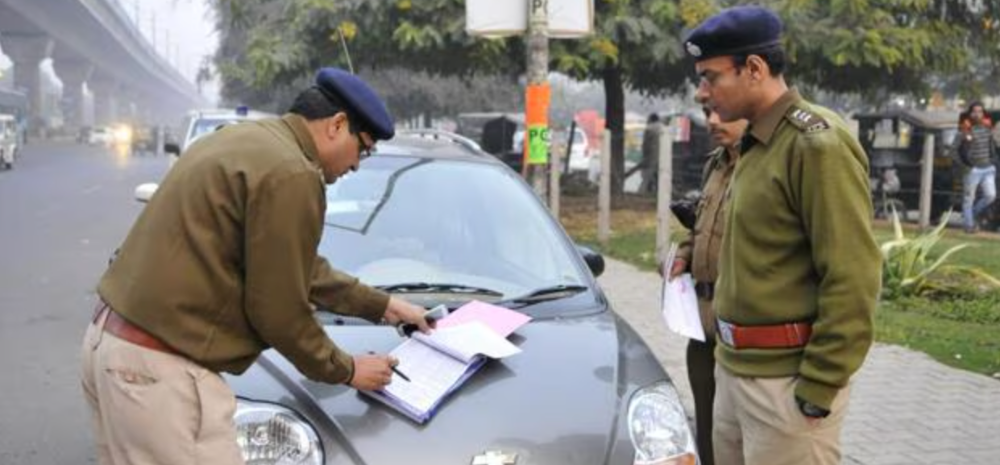
In a significant ruling, the Telangana High Court has put the brakes on aggressive traffic enforcement practices, emphasizing the rights of citizens and the importance of due process. With a stroke of the judicial pen, the court has drawn a clear line on the road, ensuring that the law is upheld without infringing on personal liberties.
The case, brought forward by Secunderabad resident V. Raghavendra Chary, challenged the methods of the Hyderabad Traffic Police, who were allegedly stopping vehicles and demanding immediate payment of old traffic fines. Justice NV Shravan Kumar's ruling on Tuesday sent a clear message: such coercive tactics are impermissible. The court affirmed that while citizens may choose to pay fines, they cannot be forced to do so on the spot. This decision brings relief to countless motorists who have felt the heavy hand of the law on the roads.
The ruling also addressed the contentious issue of evidence collection. The petitioner argued that traffic personnel were using personal mobile phones to capture evidence, a practice that the court questioned. According to the Motor Vehicles Act, only certified surveillance devices should be used, ensuring that evidence is collected lawfully. Additionally, the court raised concerns about police personnel determining fines without judicial oversight, a potential breach of the separation of powers.
As the dust settles on this legal battle, the High Court's decision serves as a reminder that the rule of law must be upheld at all times, even in the heat of traffic enforcement. The case highlights the delicate balance between maintaining order and respecting individual rights, leaving a lasting impact on how traffic violations are handled in Telangana and potentially setting a precedent for other states to follow.
Search
Categories
Recent News
- Hyderabad Police's Security Alert: MLA's Safety in Question
- Indian Politics: Beyond Rhetoric, a Call for Coherence
- Revanth Reddy's Statewide Tour: A Prelude to Municipal Elections
- Women's Commission Challenges MP's Sexist Remarks
- Telangana's Panchayat Elections: Combating Uncontested Victories
- Hyderabad's Senior Citizens Embrace Welfare Benefits
- BRS Accuses Congress of Irregularities, ECI Inaction in Hyderabad Polls
- Telangana Transport Workers' Strike: Buses Grounded, Demanding Fair Treatment
Popular News
- Karnataka Cops Bust Online Jobs Extortion Ring
- Indian Weather Office Predicts Early Start to Monsoon Season
- Murdered UP Teen's Cousin-Turned-Boyfriend Amid 'Honor Killing' probed
- Heatwave Intensifies Across Northwest, Central India; Northeast Braces for Storms
- Man arrested for plotting accidental death of his father