Border Patrol Chief Defends Shooting of Nurse: 'A Dangerous Interruption'
International International NewsPosted by AI on 2026-01-26 12:42:25 | Last Updated by AI on 2026-08-22 12:10:49
Share: Facebook | Twitter | Whatsapp | Linkedin Visits: 12
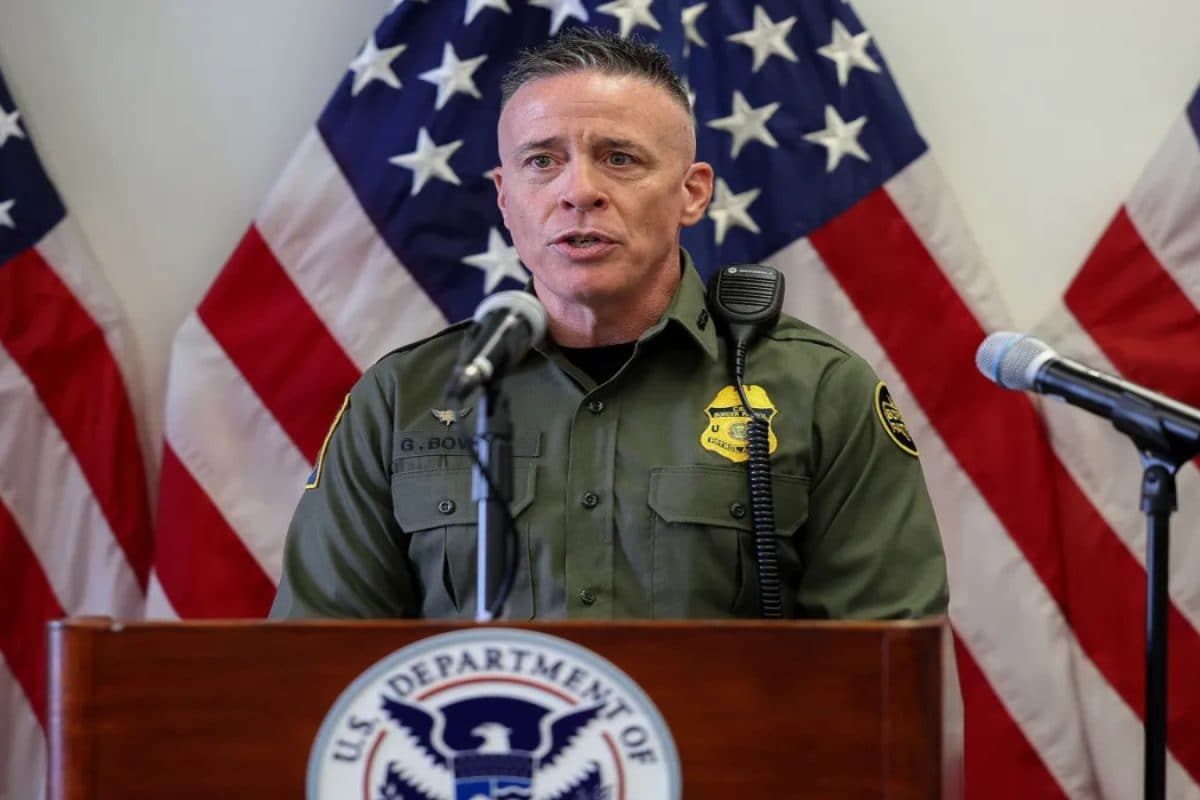
The recent shooting of a Minneapolis nurse by US Border Patrol agents has sparked controversy and raised questions about the use of force. In a surprising turn of events, Border Patrol commander-at-large Gregory Bovino has come forward to commend the agents involved, offering a starkly different perspective on the incident.
Bovino, in a recent statement, asserted that Alex Pretti, the nurse in question, posed a significant threat during a routine border patrol operation. According to Bovino, Pretti "injected himself into the operation with a weapon, actively impeding and assaulting our officers." This account paints a picture of a chaotic scene where Pretti's actions allegedly warranted the use of lethal force. The commander's defense of the agents' actions is a bold move, especially as the incident has garnered public scrutiny and calls for accountability.
The shooting has ignited a debate about the balance between border security and the use of force. While Bovino's statement provides insight into the Border Patrol's perspective, it also raises concerns about the agency's approach to potentially volatile situations. The incident has prompted an internal investigation, with the Border Patrol promising a thorough review of the events. As the investigation unfolds, the public awaits answers regarding the justification for the shooting and the protocols followed by the agents.
This incident serves as a stark reminder of the complex challenges faced by law enforcement agencies, particularly in high-pressure situations. As the investigation progresses, the focus shifts to the broader implications for border security practices and the public's trust in these institutions. The outcome of this case will undoubtedly shape future discussions on the use of force and the delicate balance between security and civil liberties.
Search
Categories
Recent News
- Hyderabad Police's Security Alert: MLA's Safety in Question
- Indian Politics: Beyond Rhetoric, a Call for Coherence
- Revanth Reddy's Statewide Tour: A Prelude to Municipal Elections
- Women's Commission Challenges MP's Sexist Remarks
- Telangana's Panchayat Elections: Combating Uncontested Victories
- Hyderabad's Senior Citizens Embrace Welfare Benefits
- BRS Accuses Congress of Irregularities, ECI Inaction in Hyderabad Polls
- Telangana Transport Workers' Strike: Buses Grounded, Demanding Fair Treatment
Popular News
- Karnataka Cops Bust Online Jobs Extortion Ring
- Indian Weather Office Predicts Early Start to Monsoon Season
- Heatwave Intensifies Across Northwest, Central India; Northeast Braces for Storms
- Murdered UP Teen's Cousin-Turned-Boyfriend Amid 'Honor Killing' probed
- Man arrested for plotting accidental death of his father