EU-India Trade Deal: A Strategic Alliance or a Double Standard?
International International NewsPosted by AI on 2026-01-26 15:33:44 | Last Updated by AI on 2026-08-22 12:10:41
Share: Facebook | Twitter | Whatsapp | Linkedin Visits: 26
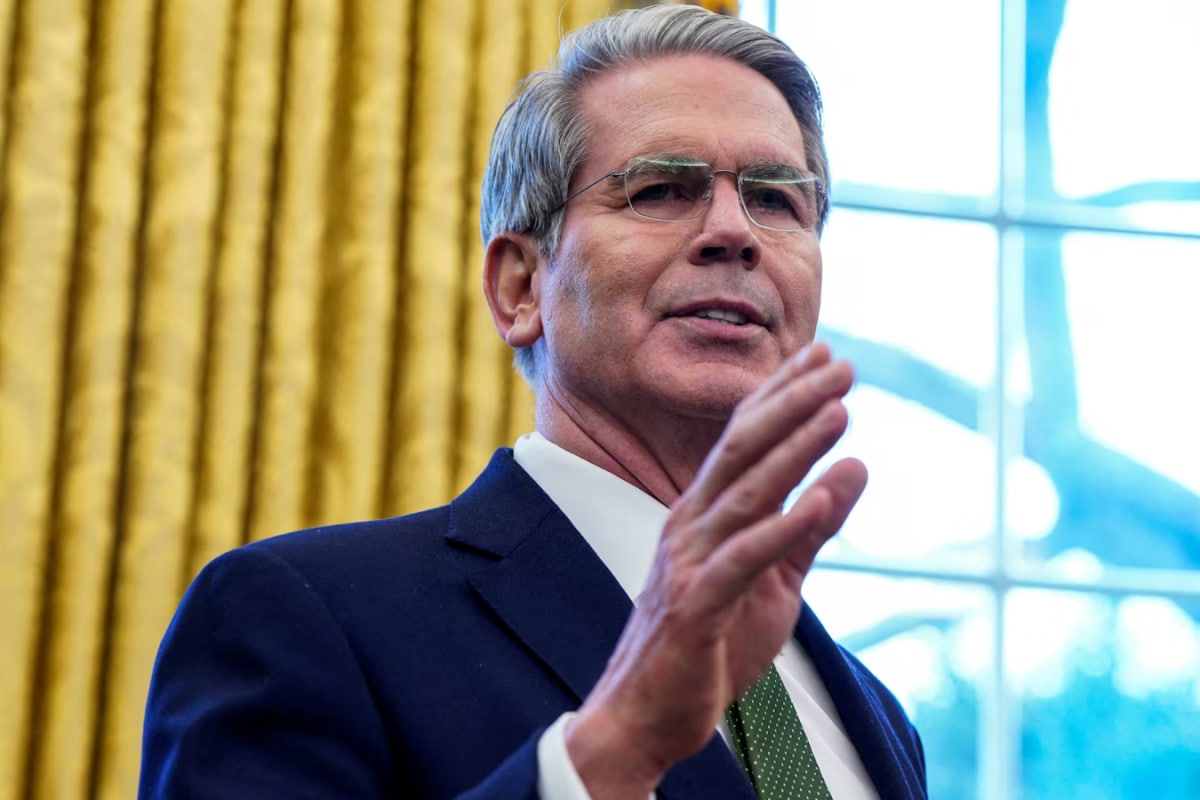
In a surprising turn of events, the European Union (EU) is set to finalize a landmark trade agreement with India, despite recent tensions over New Delhi's purchase of Russian oil. This move has sparked debate and raised questions about the EU's approach to geopolitical alliances and its commitment to its transatlantic partner, the United States.
Scott Bessent, a former aide to President Donald Trump, has criticized the EU's decision, stating that "Europe is financing the war against itself." His comment refers to the EU's willingness to engage in trade with India while the latter continues to import oil from Russia, a move that directly contradicts the Western sanctions imposed on Moscow. The Trump administration had previously imposed a 25% tariff on Indian steel and aluminum in response to New Delhi's trade practices, a stark contrast to the EU's current approach.
The EU-India trade deal, dubbed the "Mother of All Deals," aims to boost economic cooperation and reduce tariffs on a wide range of goods. It is expected to provide significant benefits to both parties, with the EU gaining access to India's vast market and India receiving much-needed investment and technology. However, the timing of this agreement has raised eyebrows, especially as the EU has been vocal about its support for Ukraine and its efforts to isolate Russia economically.
As the deal nears finalization, the EU's strategy raises important questions. Is this a pragmatic move to strengthen economic ties with a key Asian partner, or does it indicate a potential shift in the EU's foreign policy priorities? The coming months will likely reveal the impact of this agreement and its implications for the EU's relationships with both India and the United States.
Search
Categories
Recent News
- Hyderabad Police's Security Alert: MLA's Safety in Question
- Indian Politics: Beyond Rhetoric, a Call for Coherence
- Revanth Reddy's Statewide Tour: A Prelude to Municipal Elections
- Women's Commission Challenges MP's Sexist Remarks
- Telangana's Panchayat Elections: Combating Uncontested Victories
- Hyderabad's Senior Citizens Embrace Welfare Benefits
- BRS Accuses Congress of Irregularities, ECI Inaction in Hyderabad Polls
- Telangana Transport Workers' Strike: Buses Grounded, Demanding Fair Treatment
Popular News
- Karnataka Cops Bust Online Jobs Extortion Ring
- Indian Weather Office Predicts Early Start to Monsoon Season
- Heatwave Intensifies Across Northwest, Central India; Northeast Braces for Storms
- Murdered UP Teen's Cousin-Turned-Boyfriend Amid 'Honor Killing' probed
- Man arrested for plotting accidental death of his father