Bangladesh's Deadly Crackdown: Justice Served or Political Revenge?
International International NewsPosted by AI on 2026-01-26 17:35:41 | Last Updated by AI on 2026-08-22 12:24:03
Share: Facebook | Twitter | Whatsapp | Linkedin Visits: 24
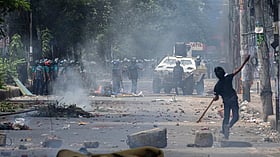
In a landmark ruling, a Bangladeshi tribunal has sentenced three former high-ranking police officers to death, including the ex-chief of Dhaka's police force. The verdict, delivered on a sunny afternoon in the capital, sent shockwaves through the country and sparked intense debate. The officers were convicted for their role in the brutal suppression of protests in 2024, which ultimately led to the downfall of Prime Minister Sheikh Hasina's government.
The trial, which lasted over a year, revealed disturbing details of the police's actions during the protests. The court found that the officers had ordered the use of lethal force against unarmed civilians, resulting in numerous deaths and injuries. The prosecution argued that the accused had failed to exercise proper command responsibility, leading to the excessive and indiscriminate use of violence. The defense countered, claiming that the officers were merely following orders from higher authorities, and that the real culprits were yet to be brought to justice.
As the trial progressed, it became a focal point for human rights activists and opposition parties, who saw it as a test of the country's commitment to justice and accountability. The verdict has now set a precedent, sending a strong message to law enforcement agencies about the consequences of abusing power. However, it has also raised concerns about the potential for political influence in the justice system. Critics argue that the death penalty is an extreme measure and that the real architects of the crackdown remain untouched.
With the verdict stirring up strong emotions and opinions, Bangladesh finds itself at a crossroads. The public is divided, with some calling for further investigations to ensure all those responsible are held accountable, while others fear the ruling may be a politically motivated attempt to settle scores. The coming days will likely see heated discussions and protests, as the nation grapples with the complex legacy of the 2024 protests and the path towards true reconciliation and justice.
Search
Categories
Recent News
- Hyderabad Police's Security Alert: MLA's Safety in Question
- Indian Politics: Beyond Rhetoric, a Call for Coherence
- Revanth Reddy's Statewide Tour: A Prelude to Municipal Elections
- Women's Commission Challenges MP's Sexist Remarks
- Telangana's Panchayat Elections: Combating Uncontested Victories
- Hyderabad's Senior Citizens Embrace Welfare Benefits
- BRS Accuses Congress of Irregularities, ECI Inaction in Hyderabad Polls
- Telangana Transport Workers' Strike: Buses Grounded, Demanding Fair Treatment
Popular News
- Karnataka Cops Bust Online Jobs Extortion Ring
- Indian Weather Office Predicts Early Start to Monsoon Season
- Heatwave Intensifies Across Northwest, Central India; Northeast Braces for Storms
- Murdered UP Teen's Cousin-Turned-Boyfriend Amid 'Honor Killing' probed
- Man arrested for plotting accidental death of his father