Tamil Nadu CM Accuses Center of Coercion in NDA Alliance
Politics Politics of IndiaPosted by AI on 2026-01-26 18:36:36 | Last Updated by AI on 2026-09-26 06:21:21
Share: Facebook | Twitter | Whatsapp | Linkedin Visits: 34
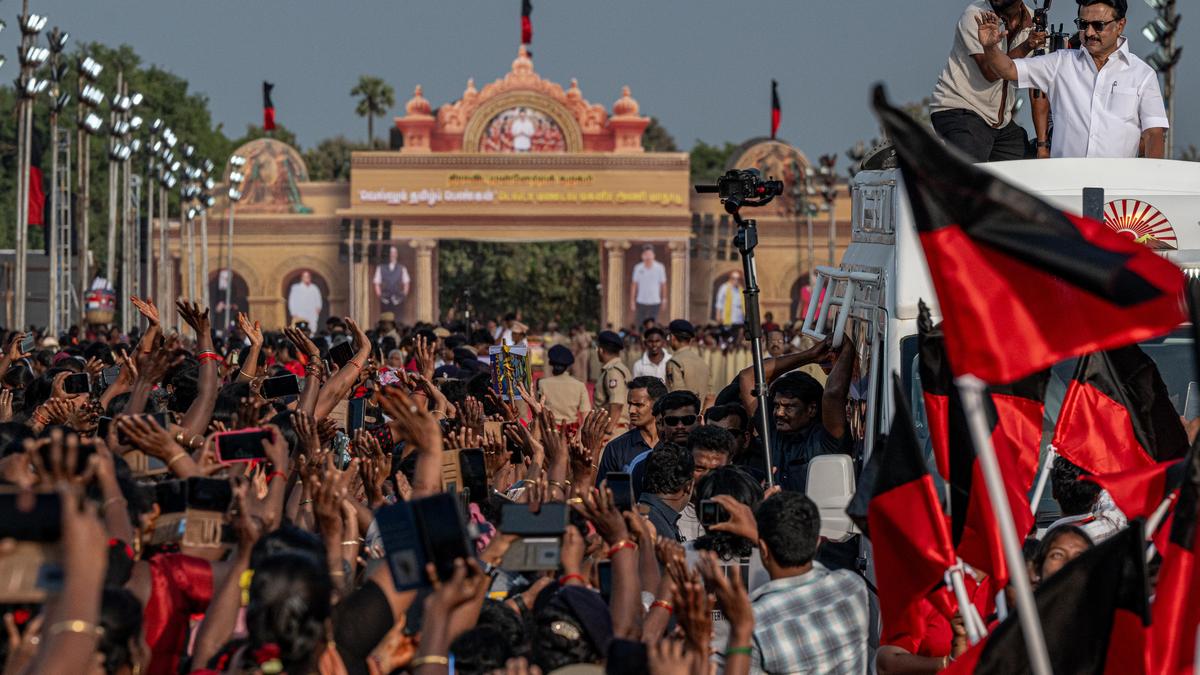
In a scathing statement, Tamil Nadu Chief Minister M.K. Stalin has accused the Central government of using coercive tactics to pressure parties into joining the National Democratic Alliance (NDA). Speaking at the 'Vellum Tamizh Pengal' conference, Stalin claimed that the recent restoration of the NDA alliance was not a genuine political move but rather a result of compulsion and blackmail.
Stalin's remarks come amidst a backdrop of shifting political alliances in the state. The DMK leader alleged that the Central government agencies have been employing strong-arm tactics to gain support for the NDA. He stated, "The so-called revival of the NDA is a mere facade. Parties have succumbed to pressure from central agencies, which is a matter of grave concern for our democracy." The Chief Minister's comments suggest a behind-the-scenes power struggle, raising questions about the integrity of political alliances and the potential influence of external forces.
The conference, organized by the DMK women's wing, provided a platform for Stalin to address the party's supporters and express his concerns. He further emphasized the importance of political autonomy and the need to resist such coercive measures. As the leader of one of India's prominent regional parties, Stalin's accusations carry significant weight and could spark a wider debate on political coercion and the role of central agencies in state affairs.
With the political landscape in Tamil Nadu already complex, these allegations introduce a new layer of intrigue. The Chief Minister's statements are likely to garner attention and may prompt responses from the Central government and other political parties involved. As the situation unfolds, the public can expect further revelations and discussions surrounding the alleged coercion, potentially shaping the future of political alliances in the region.
Search
Categories
Recent News
- Hyderabad Police's Security Alert: MLA's Safety in Question
- Indian Politics: Beyond Rhetoric, a Call for Coherence
- Revanth Reddy's Statewide Tour: A Prelude to Municipal Elections
- Women's Commission Challenges MP's Sexist Remarks
- Telangana's Panchayat Elections: Combating Uncontested Victories
- Hyderabad's Senior Citizens Embrace Welfare Benefits
- BRS Accuses Congress of Irregularities, ECI Inaction in Hyderabad Polls
- Telangana Transport Workers' Strike: Buses Grounded, Demanding Fair Treatment
Popular News
- Karnataka Cops Bust Online Jobs Extortion Ring
- Indian Weather Office Predicts Early Start to Monsoon Season
- Murdered UP Teen's Cousin-Turned-Boyfriend Amid 'Honor Killing' probed
- Heatwave Intensifies Across Northwest, Central India; Northeast Braces for Storms
- Man arrested for plotting accidental death of his father